
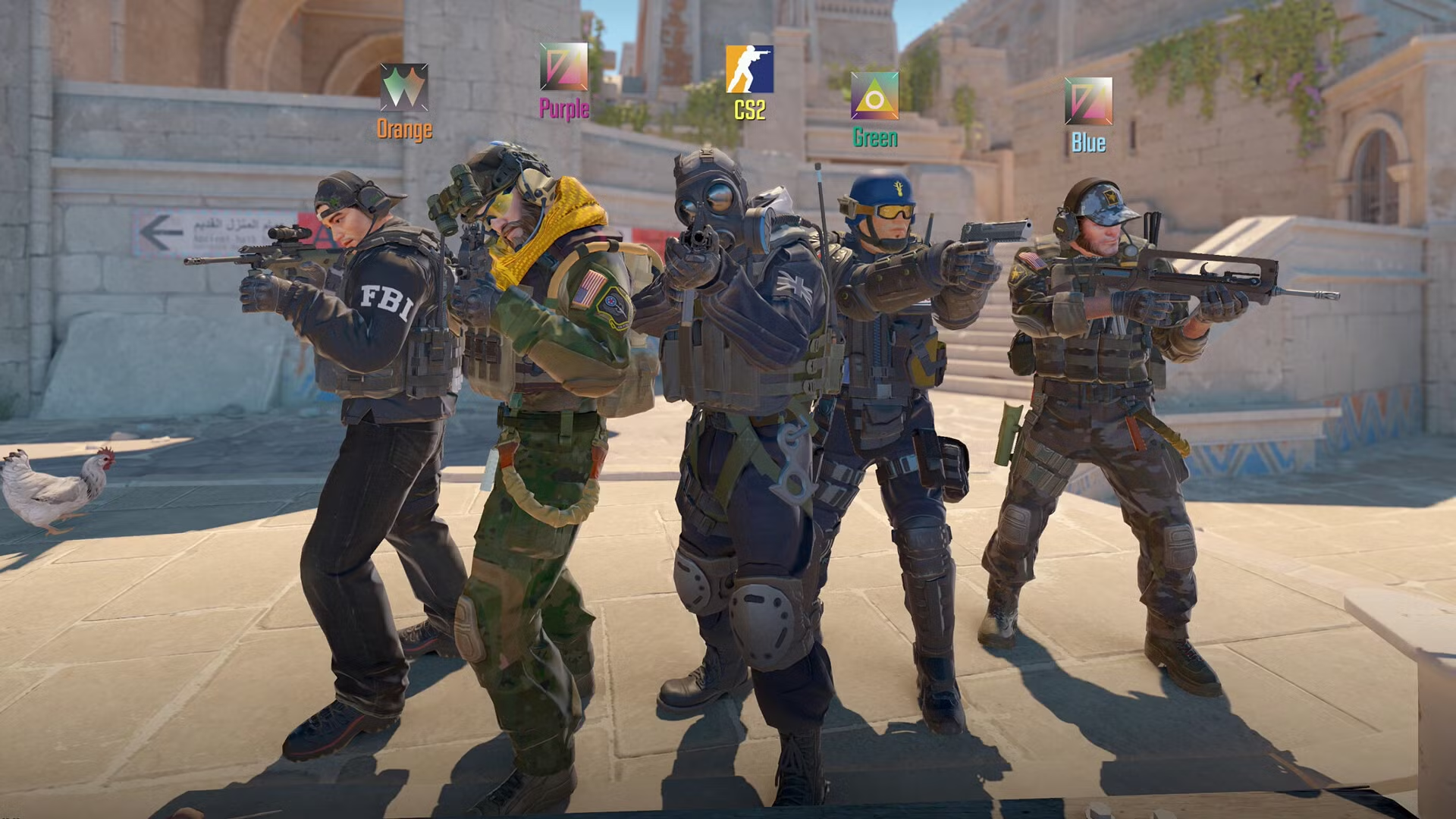
Valve has stepped into the legal arena, responding to a New York lawsuit that challenges the legality of loot boxes in some of its flagship titles, notably Counter-Strike 2 and Dota 2. The central issue at hand is whether these loot boxes constitute a form of gambling, a question that has sparked heated debate within the gaming community and beyond.
In its initial response, the company has taken a firm stance, suggesting that their loot box mechanics are not intended to function like traditional gambling, but rather as a form of entertainment. This perspective is consistent with Valve’s long-held position on in-game purchases, which are designed to enhance the player experience rather than serve as a pure risk-reward gamble.
This legal dispute follows a growing trend where game developers and publishers have faced scrutiny over microtransactions and loot box systems. Critics argue that these mechanics can exploit players, particularly younger audiences, while supporters defend them as a legitimate revenue model that helps fund development and maintains free-to-play titles.
As the case unfolds, it promises to shine a light on the broader implications of loot boxes in gaming, potentially reshaping how they are regulated. Given the ongoing global conversation about gambling in digital spaces, Valve’s response is just the beginning of what could become a significant chapter in the interplay between the gaming industry and legal frameworks designed to protect consumers.
For now, players and industry observers alike will be watching closely, as this lawsuit could have far-reaching effects on how developers approach in-game monetization strategies in the future.
Source: polygon.com