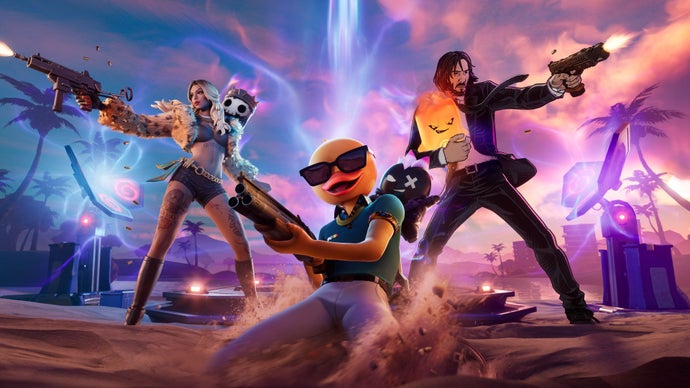
Epic Games is stirring up excitement with its latest announcement regarding Unreal Engine 6, which promises to redefine the landscape of cross-game interactions in a way that could transform the gaming experience entirely. Imagine this: your beloved Fortnite skins making their way into other games built on the Unreal Engine, and vice versa. This isn't just a distant fantasy; it is something Epic is actively exploring.
For years, gamers have embraced the highly customizable nature of Fortnite, where character skins often serve as status symbols reflecting a player’s dedication and style. Now, with the potential interoperability of skins across different titles using the Unreal Engine, players could see their hard-earned cosmetic treasures transcend the boundaries of individual games. Just picture strutting around in a whimsical Fortnite outfit within the gritty battlegrounds of a shooter or sporting a skin from a role-playing epic while zipping through Fortnite's vibrant maps. It’s an ambitious idea that creates an intriguing bridge between genres, blurring lines in a way that could keep players more engaged across various titles.
This approach taps into a growing trend in the gaming industry where cross-promotional strategies are becoming increasingly common. Players love the idea of personalizing their avatars with distinctive looks, and having the option to showcase those skins in multiple environments can lead to a unique sense of ownership and identity within gaming communities. Moreover, it could encourage friendships and alliances as players from different Unreal Engine games connect over shared cosmetic interests.
However, this concept is not without its challenges. Technical hurdles must be addressed to ensure that different games remain visually coherent and balanced, preserving the integrity of each title’s aesthetics while allowing for shared content. There's also the question of how monetization will be handled. Harmonizing revenue models across various games might lead to complex discussions among developers and publishers aiming to capitalize on this shared content without alienating their respective player bases.
Beyond the gameplay mechanics, this innovation highlights Epic Games’ pursuit of a comprehensive ecosystem—an environment where players can truly feel at home across a variety of experiences. The company has been at the forefront of technological advancement in the industry, delivering tools that empower developers while pushing the boundaries of what we expect from gaming.
As the gaming community eagerly awaits more details about Unreal Engine 6’s capabilities, the idea of shared skins could well strike a chord with players craving deeper connections with their favorite games. For many, it's about more than just aesthetics; it's about building a bridge between diverse gaming worlds, fostering a sense of belonging and community.
Ultimately, this bold move could shape the future of gaming by promoting collaboration between developers and enhancing player experiences in ways we are only beginning to comprehend. The potential for cross-game skin integration is not merely a gimmick; it's a glimpse into the future of how we might engage with our digital lives. As players increasingly seek unique identities within expansive virtual worlds, Epic Games appears poised to keep several steps ahead of the curve. Excitement is palpable. What remains to be seen is how far Epic is willing to push these boundaries and the depth of the gaming experiences that lie ahead.