In a surprising turn of events, Richard Garriott, the visionary behind the Ultima series, is setting his sights on reclaiming the rights to his iconic role-playing games from EA. Over the years, Ultima has become a staple in gaming history, with its profound influence shaping the landscape of RPGs. Now, nearly four decades after the series debuted, Garriott, also known as Lord British, is leveraging an obscure copyright law to potentially unlock the door to a much-cherished legacy.
Embedding himself in this legal nuance presents a fascinating narrative. Built into the framework of copyright law is a little-known provision that allows creators to reclaim ownership of their works after a certain period. The law, meant to protect artists and authors from exploitation, grants creators a second chance to take control of their intellectual properties. Garriott, by invoking these rights, is seeking to navigate through the convoluted pathways of legal jargon and corporate ownership.
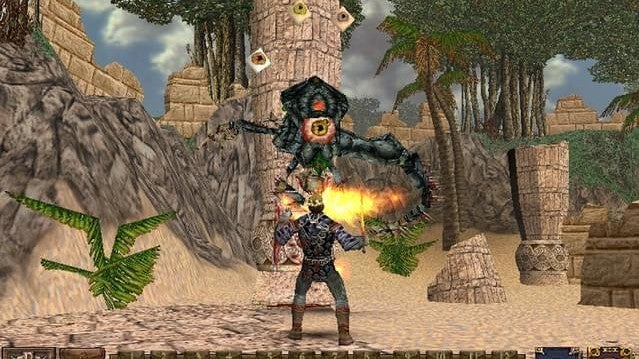
Let’s not forget the rich tapestry that Ultima has woven into the fabric of gaming culture. From its early days on the Apple II to more expansive worlds that have seen countless iterations, Ultima introduced players to deep narratives, moral dilemmas, and an immersive gameplay experience that many still strive to emulate. Franchises today owe a debt of gratitude to the innovations Garriott brought to the table, and his quest to reclaim the series is not just about personal ownership; it’s about honoring the legacy that fans have cherished for decades.
Garriott’s ambition isn’t without its challenges. The corporate landscape of video games is complex, often favoring larger entities like EA, which acquired the rights to the Ultima series long ago. The prospect of reclaiming an intellectual property, especially one as beloved and historically significant as Ultima, won’t be easy. However, the prospect alone revives nostalgia among fans, many of whom continue to engage with the Ultima legacy, whether through fan projects or reverent discussions about its impact.
This quest has the potential to invigorate the RPG landscape, sparking interest in revisiting an esteemed series that has remained largely dormant in recent years. Garriott’s intentions might signal a desire to breathe new life into Ultima, perhaps reigniting the flame that inspired a multitude of gamers and developers alike.
As we witness this unfolding saga, it’s important to remember the dedication that goes into reclaiming one’s intellectual identity. Garriott embodies a spirit reminiscent of classic gaming, a time when developers enjoyed a closer relationship with their creations without the looming shadows of corporate oversight. His journey might serve as a reminder that the heart of gaming lies in its creators—passionate, inventive minds who shape the worlds we love to explore.
While there are no guarantees that this endeavor will lead to a favorable outcome, Garriott’s determination stands as a testament to the power of intellectual property rights in the arts. For fans of Ultima, this isn’t just a legal battle; it’s a beacon of hope for a revival that could bring forth new adventures, rekindle old friendships, and perhaps, allow us to once again experience the magic that Garriott poured into his groundbreaking work.
In a world where franchises often feel trapped in the hands of corporations, Garriott’s fight to reclaim Ultima resonates with a sense of agency and nostalgia. As he continues on this path, players everywhere will be watching closely, eager for the possibility of a future where the echoes of Avatars and the virtues they represent can once again come to life.