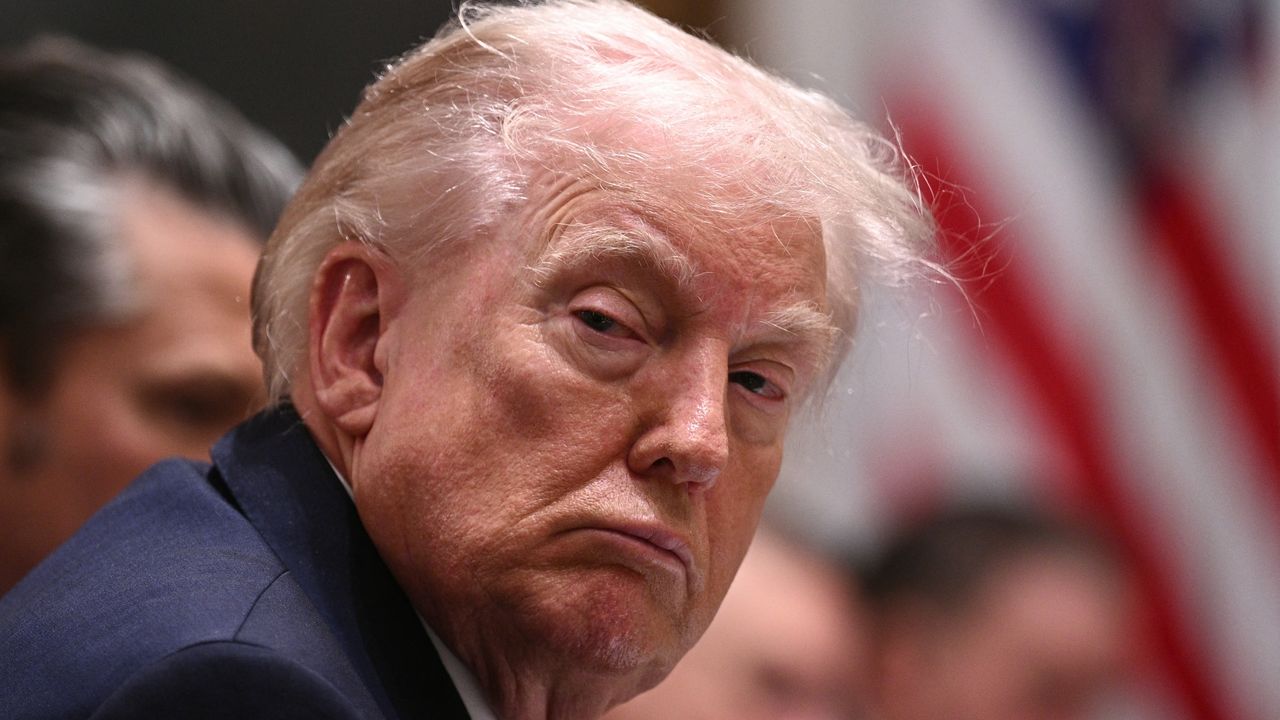
In a recent post on Truth Social, former President Donald Trump dropped a bombshell that has many in the tech world buzzing. He claims that Apple has struck a deal with Intel to manufacture chips on U.S. soil. While the announcement has the potential to reshape the landscape of American technology, it's important to temper our enthusiasm—this news has yet to be corroborated by any credible sources or officials within Apple or Intel.
The implications of such a move would indeed be significant. Manufacturing chips domestically could revive a segment of the American economy that has seen substantial decline over the past few decades. It would not only create jobs but also reduce reliance on overseas suppliers, especially important in an era marked by global supply chain disruptions. Moreover, if these chips were to be produced in collaboration with a company like Intel, it would signify a shift in strategy for both organizations, potentially allowing Apple to bolster its hardware capabilities while giving Intel a critical foothold in the mobile and consumer electronics sectors.
However, as it stands, this announcement exists solely within the realm of social media. There are no official statements or press releases from either company, and skepticism is warranted given the weight of such claims. Apple has always been secretive about its partnerships and future projects, and Intel’s well-documented struggles in recent years add another layer of uncertainty. Still, let’s not forget that Trump’s posts have previously stirred both interest and controversy, and a claim like this could easily generate discussion, even if it doesn’t hold up under scrutiny.
The timing of this potential collaboration could also raise eyebrows. With increasing pressure on tech companies to prioritize domestic production, a partnership between two giants could be interpreted not just as a business decision, but also as a strategic response to evolving political expectations. Lawmakers have been vocal about the importance of reinvigorating domestic manufacturing, particularly in tech sectors critical to national security and economic resilience. If true, this partnership could be seen as a direct response to those calls.
But before we get too carried away with the possibilities, it's essential to acknowledge the volatile nature of such announcements. Tech partnerships often come with a multitude of complications and can take years to materialize into something tangible. Apple has a long history of being cautious, weighing the potential benefits against the risk of public relations backlash. As for Intel, the company has faced its own set of challenges, including production delays and fierce competition from players like AMD. These factors could easily complicate any potential collaboration before it even gets off the ground.
For now, we are left with a tantalizing prospect posted on social media. As news unfolds and more details emerge—or fail to materialize—it's crucial to remain vigilant and discerning. The future of technology and manufacturing in the U.S. hangs in a delicate balance, shaped by business decisions and political imperatives alike. Whether Trump's statement can turn from an ambitious claim to a practical reality remains to be seen. Until then, we are left in a tantalizing limbo, caught between possibility and the need for confirmation.