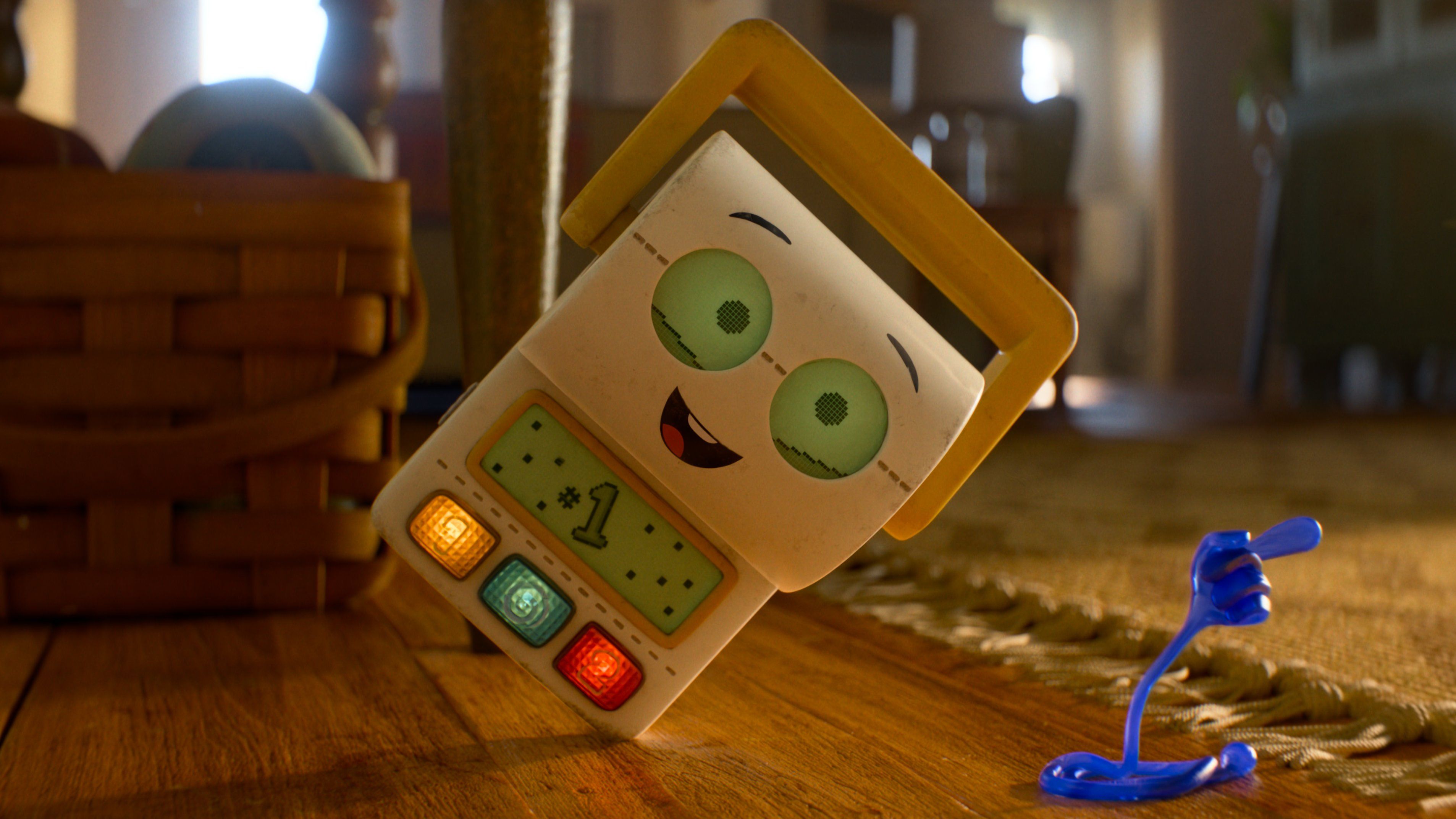
As we dive deeper into the world of family-friendly films, particularly those cornerstones of quality like the Toy Story franchise, there’s always a wave of chatter leading up to a release. Toy Story 5 is no exception. With trailers hinting at a looming conflict between beloved toys and the ever-encroaching forces of technology, some observers have been quick to label the film as yet another narrative oversimplifying the dichotomy between traditional values and modern advancements. However, this interpretation feels rather reductive, and it risks overshadowing the nuanced storytelling that this series is known for.
The crux of the concern seems to stem from a perceived anti-tech sentiment in Toy Story 5. Critics argue that the film pits our endearing toy heroes against the barrage of modern gadgets, suggesting that the storyline ultimately teaches a lesson about the dangers of technology. But let’s take a moment to reflect. Pixar has consistently crafted narratives that resonate on multiple levels, and this latest entry is no exception. The plot doesn’t merely set toys against tech; it crafts a conversation between the two, weaving a rich tapestry that examines their coexistence.
It’s easy to view a film through a narrow lens, especially when the themes align so closely with current cultural dialogues about technology. The reality is that Toy Story 5 is not about vilifying technology; rather, it’s focusing on an essential aspect of human experience. The film embarks on a journey reflective of our relationship with gadgets and devices, emphasizing how these innovations can vary from being helpful companions to unavoidable distractions. If anything, it invites us to engage in introspection about our reliance on tech rather than simply dismissing it.
Moreover, at its heart, Toy Story has always been an exploration of friendship and identity, themes that resonate irrespective of the era's advancements. The toys themselves have navigated change since the very beginning, from their initial realization of their own sentience to their embraces of a dynamic world. Toy Story 5 isn’t an anomaly in this journey; it’s a continuation that delves deeper into how relationships evolve as we navigate the intricacies of modern life.
Take a step back, and it becomes clear that the film is encouraging dialogue. Rather than portraying technology as an antagonist, it challenges characters—and by extension, viewers—to reflect on their attachments, both to toys and to the devices that so often occupy their attention. This reflection is particularly poignant in a time where digital distractions are ubiquitous. The film ultimately encourages a balance, a harmonious blend of nostalgia for simpler times and an acceptance of the present-day reality.
The narrative deftly balances nostalgia with forward-thinking, ultimately championing the idea that toys can thrive in a tech-driven world. They adapt, innovate, and find new purposes, just like many of us have had to do in the wake of rapid technological change. Such depth suggests that the film isn’t cast in stark black and white; instead, it unfolds in shades of gray, where coexistence becomes the key theme.
Toy Story 5 deserves to be appreciated for its ambitious storytelling. It embraces the conversations that are increasingly relevant today, navigating the complexities of companionship—whether that’s with a plastic toy or a sleek device. This film is not a rejection of technology, but rather a warm embrace of the idea that connection, understanding, and love can flourish amidst the noise. After all, this franchise has always celebrated the power of friendship, whether found in wooden blocks or cutting-edge gadgets, making this latest installment a fitting chapter in an ongoing legacy.