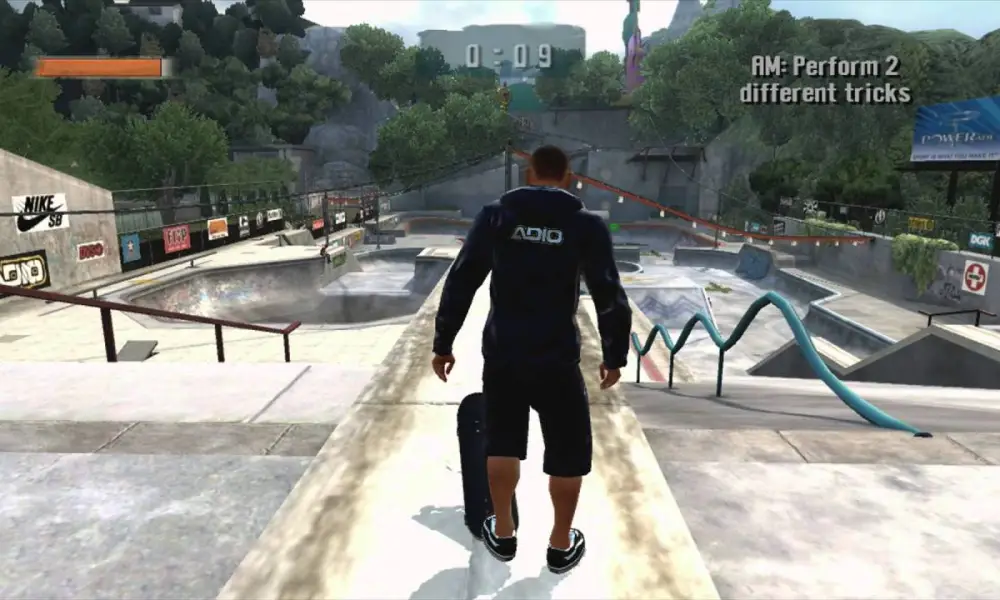
Tony Hawk’s Project 8 arrived at a pivotal moment in the franchise, marking both a bold step and a reminder of how tricky reinvention can be for a series so closely tied to its roots. After several successful outings that defined console skateboarding in the early 2000s, Project 8 sought to shake things up with a fresh approach, introducing an open-world city to explore and a more immersive, story-driven experience.
The game dropped the straightforward, level-based progression in favor of a sprawling urban playground that offered riders a new level of freedom. This was not just a cosmetic shift. The move to an open-world design allowed players to carve their own paths across the environment, hunt for challenges, and fully engage with the city’s corners and crevices rather than select designated spots from a menu. It felt like an attempt to blur the line between a traditional skateboarding game and a freer, more exploratory action title.
However, this ambition came at a cost. The transition introduced some rough edges. The city was vast but at times felt empty and lacked the density fans might have expected. The emphasis on authenticity and simulation brought a different kind of gameplay rhythm that wasn’t always as instantly gratifying as earlier entries’ pick-up-and-play appeal. Controls were refined, but the challenge curve shifted in ways that divided players, especially those used to the more arcade-like style of past Hawk games.
Tony Hawk’s Project 8 also dived deeper into character and culture, integrating a narrative that pushed the skater’s journey beyond just pulling off tricks. This added a layer of personality, giving the game some texture amid the technical shifts, but it was a gamble in a series not traditionally known for story. For some, the story made the experience richer, while others saw it as an unnecessary detour from the pure joy of skating itself.
In retrospect, Project 8 stands as a fascinating experiment. It shows how even a franchise with a formula as celebrated as Tony Hawk’s can struggle with reinvention when trying to grow beyond familiar territory. The game’s ambitions were commendable and offered plenty of innovation, but they also highlighted that change in beloved series comes with risks. It wasn’t a failure, but it wasn’t a slam dunk either.
Looking back, Project 8 remains a snapshot of a franchise at a crossroads, weighing the desire for fresh ideas against the expectations of a dedicated fanbase. For players invested in the evolution of skateboarding games, it’s a chapter worth revisiting, a reminder that progress rarely arrives without some growing pains.
Source: operationsports.com