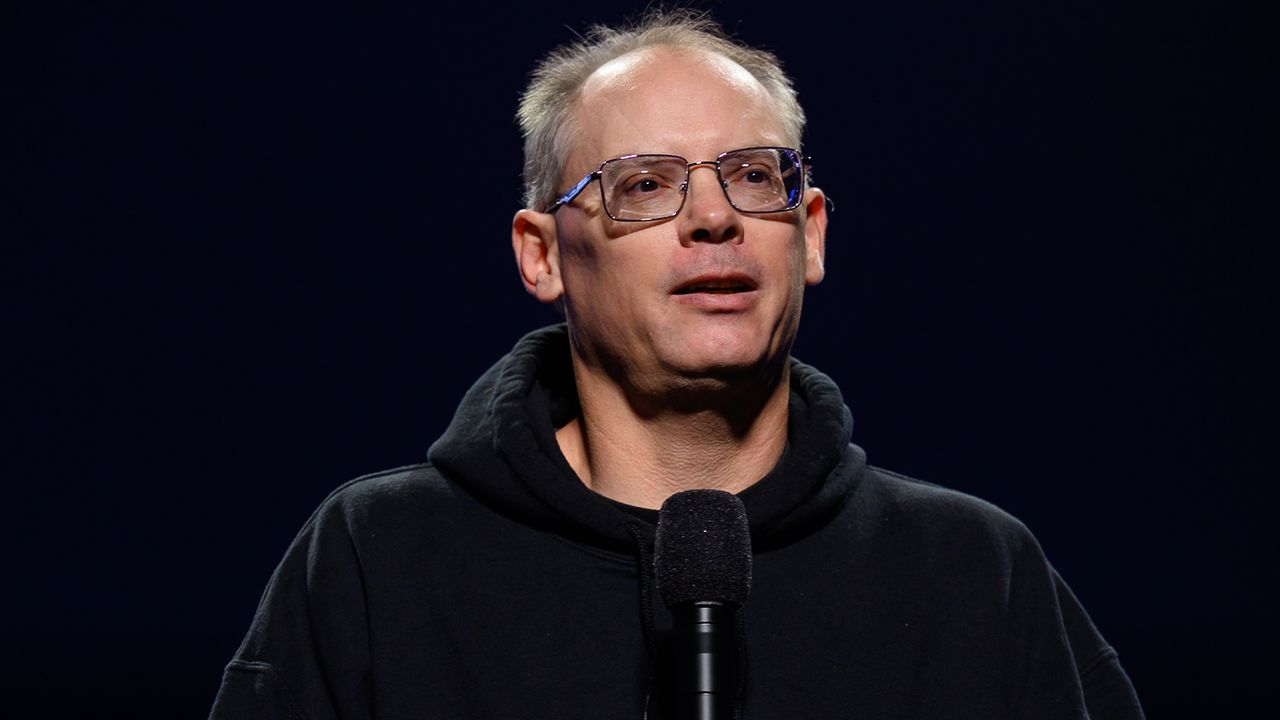
In a recent conversation, Tim Sweeney, the CEO of Epic Games, shared insights that paint a vivid picture of the future landscape of video games. As the industry continues to evolve, he discussed his vision for a collaborative future dubbed "Team Open," along with some thought-provoking opinions on the current state of gaming giants, the challenges facing AAA development, and the ongoing debate surrounding AI in gaming.
At the heart of Sweeney’s perspective is a passionate belief in open ecosystems that prioritize competition and creativity. He envisions a landscape where diverse platforms coexist, allowing developers the freedom to innovate without being stifled by monopolistic practices. The push for “Team Open” reflects this ambition, advocating for an environment where consoles, PCs, and other platforms can seamlessly interact while ensuring that game creators and players alike benefit from the flexibility of choice. In Sweeney's view, this type of collaborative effort is what can drive the industry forward, fostering both creativity and healthy competition.
One of the most contentious points in Sweeney’s discussion was his firm stance against Steam's recent requirements for AI disclosure. The ongoing legislative conversations around AI integration in gaming reflect broader societal challenges, but Sweeney raises a valid concern about transparency and fairness. His argument is clear: imposing stringent regulations around AI could hinder innovation and limit the potential benefits these technologies can bring to game development and player experiences. It’s a delicate balance, and Sweeney advocates for a more open dialogue that doesn’t stifle exploration but encourages responsible use of AI.
As he delves into the world of AAA game development, Sweeney reveals his insights on the enormous hurdles developers face. The financial pressures in this space are relentless, creating a scenario where even talented teams can struggle to produce quality content without succumbing to crunch culture and other unproductive practices. He emphasizes that the combination of high expectations and ballooning budgets is unsustainable, urging for a shift in how both developers and publishers approach the making of games. The allure of blockbuster titles can lead to enormous risks for developers, and Sweeney advocates moving toward business models that allow more room for creativity without the fear of financial ruin.
Further into the discussion, Sweeney addresses the often-speculated potential partnership between Epic and Valve. While many enthusiasts dream of a Steam-Epic collaboration, Sweeney is pragmatic. He suggests that, given the current competitive landscape, it’s unlikely we’ll see such a union anytime soon. The ecosystem of platforms is defined by rivalry, and as he sees it, the competition drives innovation. This sentiment echoes a larger truth in the industry; many players thrive in a dynamic environment where different companies push each other to elevate their offerings.
Looking to the future, Sweeney expresses guarded optimism. The world of gaming is in a state of flux, and while challenges abound—be they economic pressures or technological considerations—there’s a palpable undercurrent of excitement among developers and gamers alike. The blending of platforms, the rise of AI, and the relentless pursuit of new ideas promise a future rich with potential.
In this ever-shifting landscape, Tim Sweeney stands as a thought leader, championing openness and innovation while also confronting the harsh realities of the gaming world. For him, the goal is clear: creating a space where creativity knows no bounds, the industry thrives on healthy competition, and players are the ultimate beneficiaries. As we move forward, embracing this vision will be essential for shaping the future of gaming in a way that feels authentic and invigorating.