
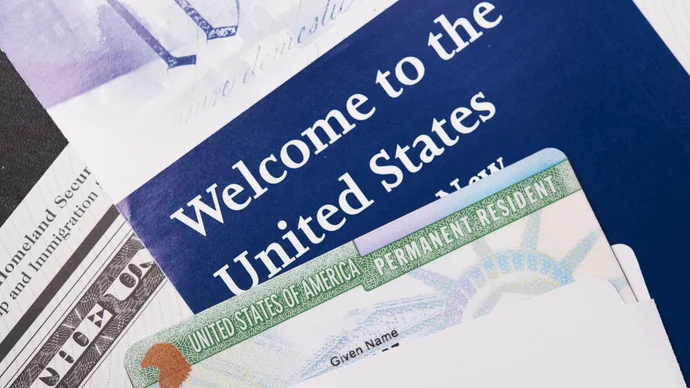
As the global gaming landscape becomes more interconnected, the anticipated changes to immigration policies in the United States and the United Kingdom in 2026 could have significant ramifications for the industry. Developers and publishers are increasingly reliant on a diverse pool of talent from around the world, and new restrictions could complicate recruitment efforts amid an already competitive environment.
The expected tightening of immigration rules comes at a time when studios are planning major projects that hinge on the expertise of creative and technical specialists. With rising scrutiny and shifting review standards, the process by which studios bring in foreign talent is likely to become more complicated. This might not just slow down hiring but also hinder the relocation of vital personnel, creating additional hurdles for studios looking to assemble the right teams.
In an industry where innovation thrives on collaboration and fresh perspectives, these changes could force studios to rethink their strategies. As they adapt to a more challenging mobility landscape, firms may need to intensify their focus on local talent while finding new ways to foster diverse workforces. It’s clear that the ramifications of these changes won’t just be felt by individual studios but will ripple throughout the industry, shaping a future that could look quite different if access to international talent becomes more restricted.
With major developments on the horizon, studios must brace for a period of adjustment. The balance between attracting the best talent and navigating a changing immigration landscape is a tightrope that many will have to walk carefully in the years to come.
Source: gamesindustry.biz