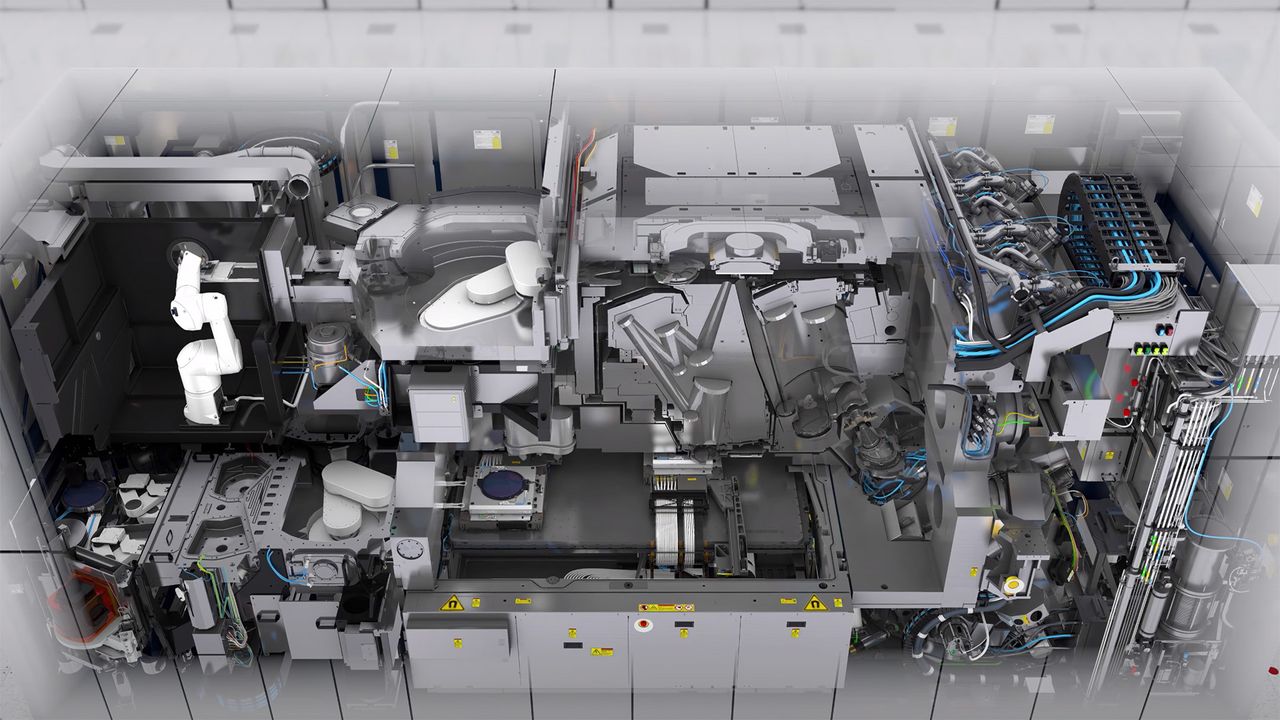
In an intriguing turn of events, concerns are swirling in the United States regarding China potentially acquiring top-tier chip manufacturing technology. This isn’t just any piece of equipment; we’re talking about advanced extreme ultraviolet (EUV) lithography machines — the kind that have revolutionized the semiconductor landscape. The heart of this unease stems from the stringent export controls imposed by the U.S., aimed at preventing Beijing from enhancing its chipmaking capabilities. However, ASML, the Netherlands-based company that dominates the production of these machines, has strongly refuted that any of these devices have found their way into China’s hands.
The EUV machines at the center of this debate are monumental achievements in engineering, weighing in at over 150 tons. They allow manufacturers to produce smaller, more powerful chips that are critical for everything from high-end smartphones to cutting-edge gaming consoles and advanced AI systems. The implications of such technology are far-reaching. As countries race to bolster their tech industries, access to EUV machines not only represents a technological leap but also a strategic advantage in the global market.
Now, the United States, undertaking a vigilant approach, has taken steps to isolate China from this technology. The U.S. government believes that if China were to gain access, it could accelerate its ambitions in semiconductor production — an industry where they've been trying to catch up for years. The narrative has fueled a climate thick with competition between the two nations, as both calculate the risks and rewards tied to semiconductor self-sufficiency.
ASML’s assertion downplaying possible Chinese acquisitions should strike a chord with those familiar with the stringent compliance regulations surrounding these machines. The company has painstakingly crafted a reputation as an industry leader, and the integrity of its supply chain is paramount. Yet, skepticism remains. It's difficult to ignore the many ways technology can slip through the cracks, especially with the vast networks that exist for procurement. If ASML’s machines were to find a way into China, even indirectly, the ramifications could be seismic.
This tension has more than just economic implications; it raises critical questions about global supply chains and diplomatic relations. The semiconductor industry is already experiencing turbulence due to these geopolitical currents. With U.S. sanctions targeting tech exports to China and Beijing ramping up its own research and development efforts, the battleground extends well beyond the manufacturing floor. It spills into realms like innovation, intellectual property, and national security — issues that are as complex as they are volatile.
The truth is, even if ASML is confident in its compliance and manufacturing processes, there's an undeniable tension in this landscape. The very fact that we’re discussing the potential for clandestine acquisitions of high-end technology paints a picture of a world that is rapidly evolving, fraught with both opportunity and peril. It’s a game of cat and mouse, where the stakes are constantly shifting. The world is watching closely to see how this unfolds, as both nations evaluate their strategies and the long-term effects these decisions will have on technology innovation.
In the end, whether or not China has acquired a top-spec chipmaking machine may not just hinge on the capabilities of ASML to enforce its policies. It speaks to a larger narrative rooted in global economics, technological rivalry, and the quest for supremacy in the digital age. The details may be under wraps, but the implications are clear: the race to dominate semiconductor technology is heating up, and all eyes are squarely on the players involved.