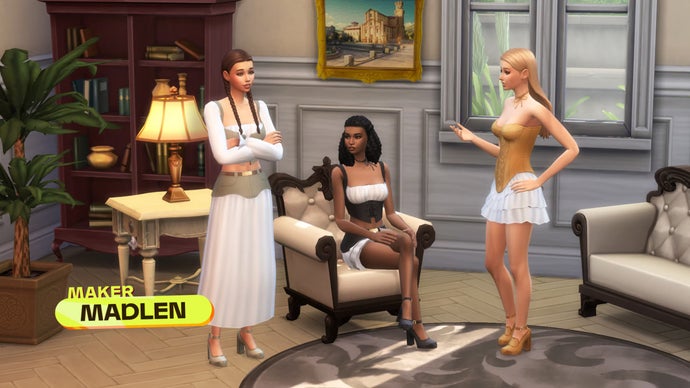
The Sims 4 has always been a playground for creativity, allowing players to bring their wildest ideas to life. Now, console players on PlayStation and Xbox can finally dive into the same expansive marketplace that PC users have enjoyed for some time. With the introduction of a paid mods feature, console players get access to a range of user-generated content that elevates their gameplay experience, albeit with some mixed feelings from the community.
The new Marketplace, described as a hub for paid mods and custom creations, enables players to purchase content that goes beyond the base game offerings. It includes everything from intricate building designs to unique outfits, crafted by talented creators. While it’s great to see console players gaining access to this innovative content, the debate around paid mods continues to simmer among longtime fans. This move raises questions about accessibility and the impact on the modding community, which has always thrived on sharing creations for free.
The marketplace model is certainly a shift for The Sims franchise, which prides itself on fostering a vibrant fan base where creators share their work generously. Fans have expressed concern that monetizing mods, especially on a platform like The Sims, can diminish the spirit of community and collaboration that has been a hallmark of the game for years. The worry is not just about the potential for division between those willing to pay for extra content versus those who prefer free alternatives, but also about the implications for creativity when financial incentives enter the equation.
While console players are integrating this change, PC users are not left behind. In fact, EA has announced that Kits—those smaller content packs that have sparked plenty of discussion—are making a return to the PC version of The Sims 4. These packs have historically been met with both excitement and skepticism, as fans grapple with whether the content justifies the price tag. Nevertheless, Kits represent an essential part of the game's evolving identity, giving players the chance to snag thematic additions without the bulk of a full expansion.
The situation illustrates the ongoing balancing act that the developers must perform. On one hand, they want to reward creators and support those who dedicate their time and skills to enhance the game. On the other, they need to maintain the franchise's core ethos: a fun, engaging experience where imagination reigns supreme. Encouraging paid content is undoubtedly a way for EA to support the creators who elevate their games, yet it also introduces a layer of complexity that could impact how players engage with one another and the content available to them.
Looking ahead, it will be interesting to watch how this experimentation with paid mods and Kits unfolds. The Sims community is known for its resilience and adaptability, often finding creative workarounds when faced with challenges. Whether these paid offerings will unite or divide the player base remains to be seen. Still, it’s clear that The Sims 4 continues to evolve, with a deeper commitment to providing diverse experiences for all its players, regardless of the platform they choose. The coming months may not only reshape how players interact with the game but also redefine what it means to be a part of The Sims community in a world where content can come with a price tag.