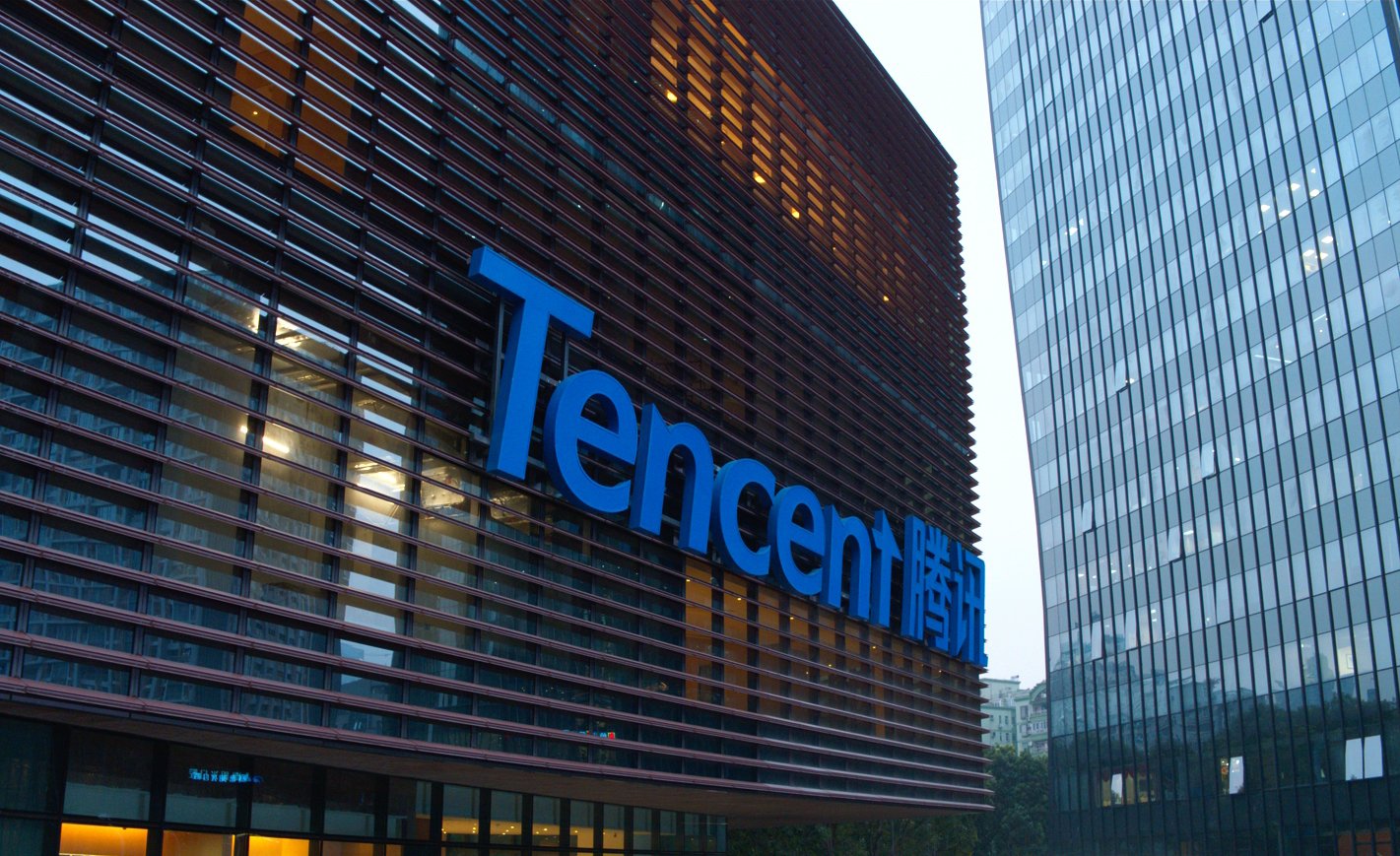
In a surprising turn of events, Tencent, the Chinese gaming giant, appears to be reconsidering its investment strategy with respect to Japanese game studios. Recent reports suggest that the company is in discussions to sell off its stakes in some of these studios, including notable names like Marvelous. While Tencent has been a significant player in the global game industry, its potential move raises questions about the long-term vision for its investments and the health of the market for Japanese titles.
This decision seems rooted in a broader evaluation of Tencent's portfolio, and it comes at a time when the company is grappling with various regulatory challenges back home. The Chinese government has tightened its grip on the gaming industry, leading to a more cautious approach toward overseas investments and partnerships. Selling shares in Japanese studios might reflect a strategic pivot aimed at mitigating risk and reallocating resources in response to these pressures.
Tencent has cultivated a reputation for steering successful ventures in gaming, often taking stakes in promising developers and publishers around the world. However, the gaming industry is notoriously volatile, and it seems that even a titan like Tencent is not immune to the shifting tides. By the very nature of investment, the possibility of taking a loss is always present, but the willingness to do so may indicate a newfound emphasis on prioritizing stability over aggressive expansion.
Marvelous, along with several other studios referenced in the reports, has a unique identity within the gaming landscape. Known for its colorful and often whimsical titles, the studio has carved out a niche that appeals to a specific audience. Selling off shares could disrupt its future projects, especially if Tencent's support has been instrumental in facilitating growth or funding innovative ideas. Fans of that distinctive roster of games might be left wondering what this could mean for upcoming releases and the overall direction of these beloved franchises.
Interestingly, this news arrives at a time when the global gaming industry is increasingly focused on collaboration and community. With cross-platform play and a push toward more socially responsible gaming experiences gaining traction, the question arises: how will such a shift impact the relationships between developers and publishers, particularly in Japan, where studio independence and creative freedom are often prized? Tencent’s strategic withdrawal might open the door for local investors who understand the nuances of the Japanese market better or even allow for a resurgence of self-publishing among these studios.
Ultimately, Tencent's reported negotiations to divest from parts of its Japanese portfolio should serve as a wake-up call for industry watchers. The dynamics of gaming investment are shifting, and meritocracy is beginning to take center stage over sheer bankrolled influence. For the players, this ripple effect could manifest in a variety of ways—perhaps more inventive and authentic games that resonate with cultural sensitivities or innovative partnerships that prioritize creativity over corporate interests.
As we watch these developments unfold, the long-term implications of Tencent's potential sale will be closely scrutinized. It is a pivotal moment not only for the company but for the nature of international investments within the gaming industry. The consequences of this decision could reshape relationships and redefine success in a marketplace that thrives on innovation and cultural connection. In a rapidly changing landscape, the fate of these beloved studios hangs in the balance, reminding us that in gaming, as in life, adaptability is key.