In the ever-evolving landscape of digital gaming, a few notable trends reflected the pulse of Steam the week ending June 22. As the platform continues to grow and attract developers big and small, it faces challenges that sometimes obscure the joy of discovery that once defined it. Among these challenges, the rise of AI-generated capsule art stands out—not for its innovation, but for how it's diminishing the browsing experience.
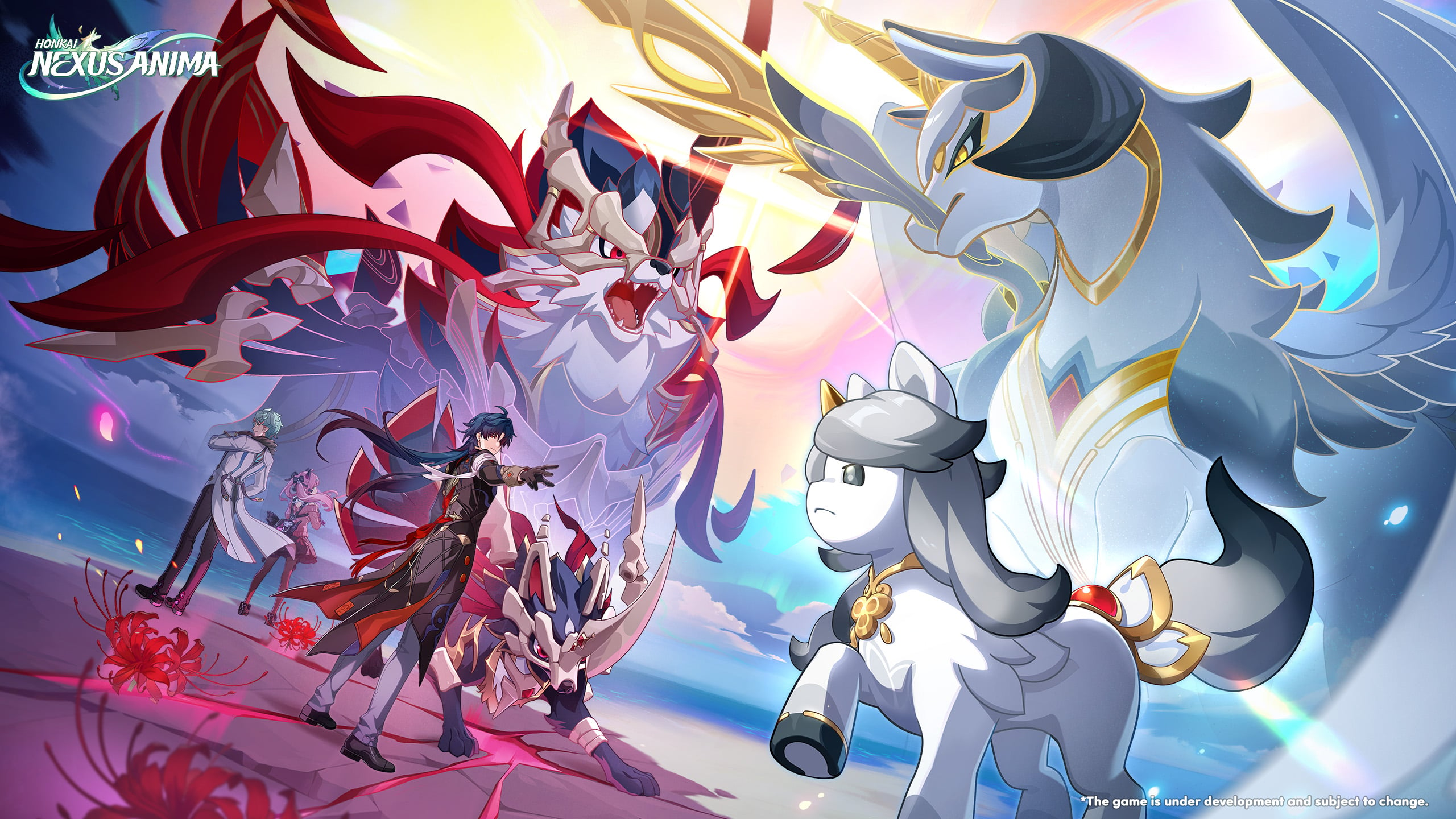
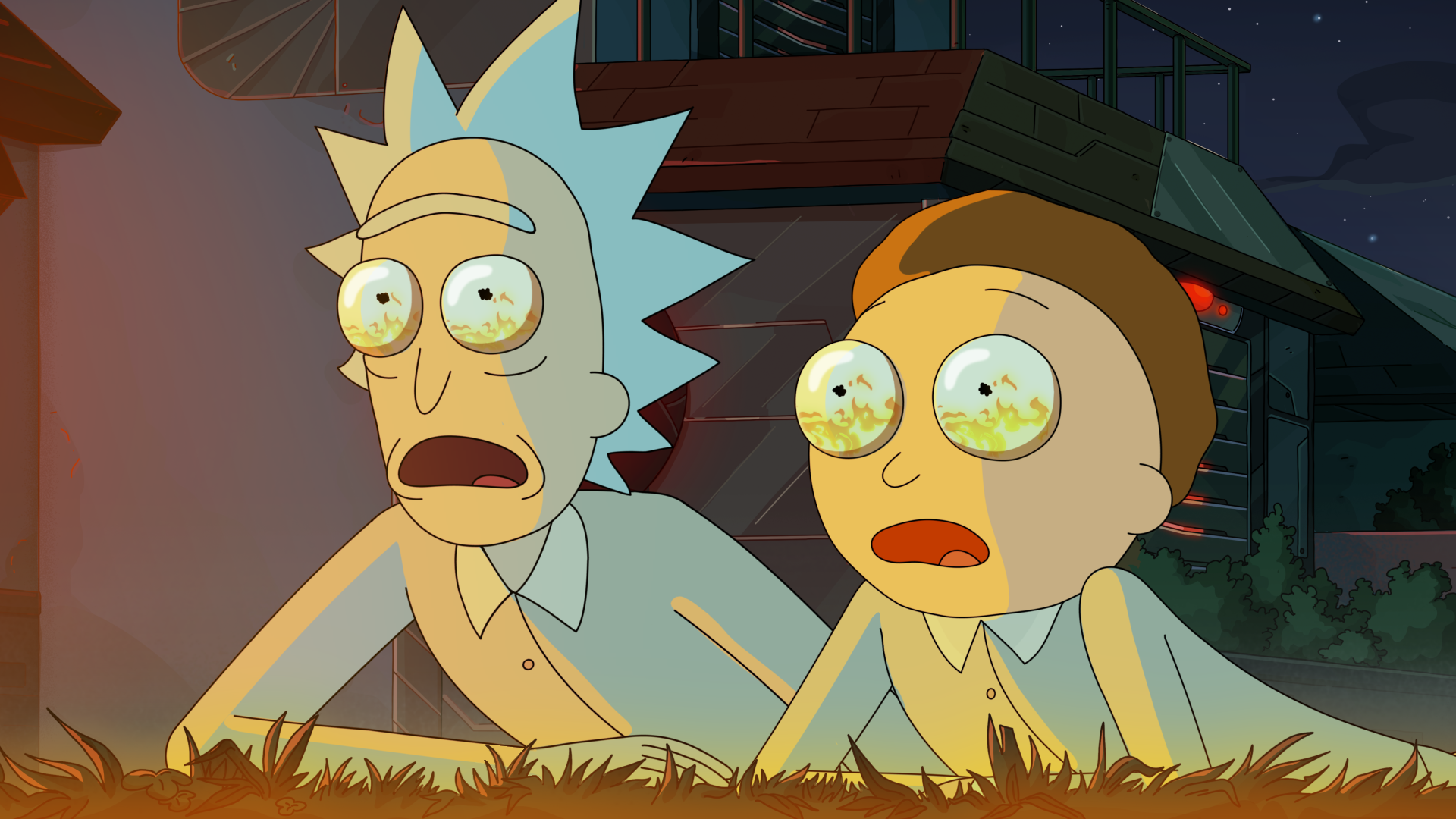
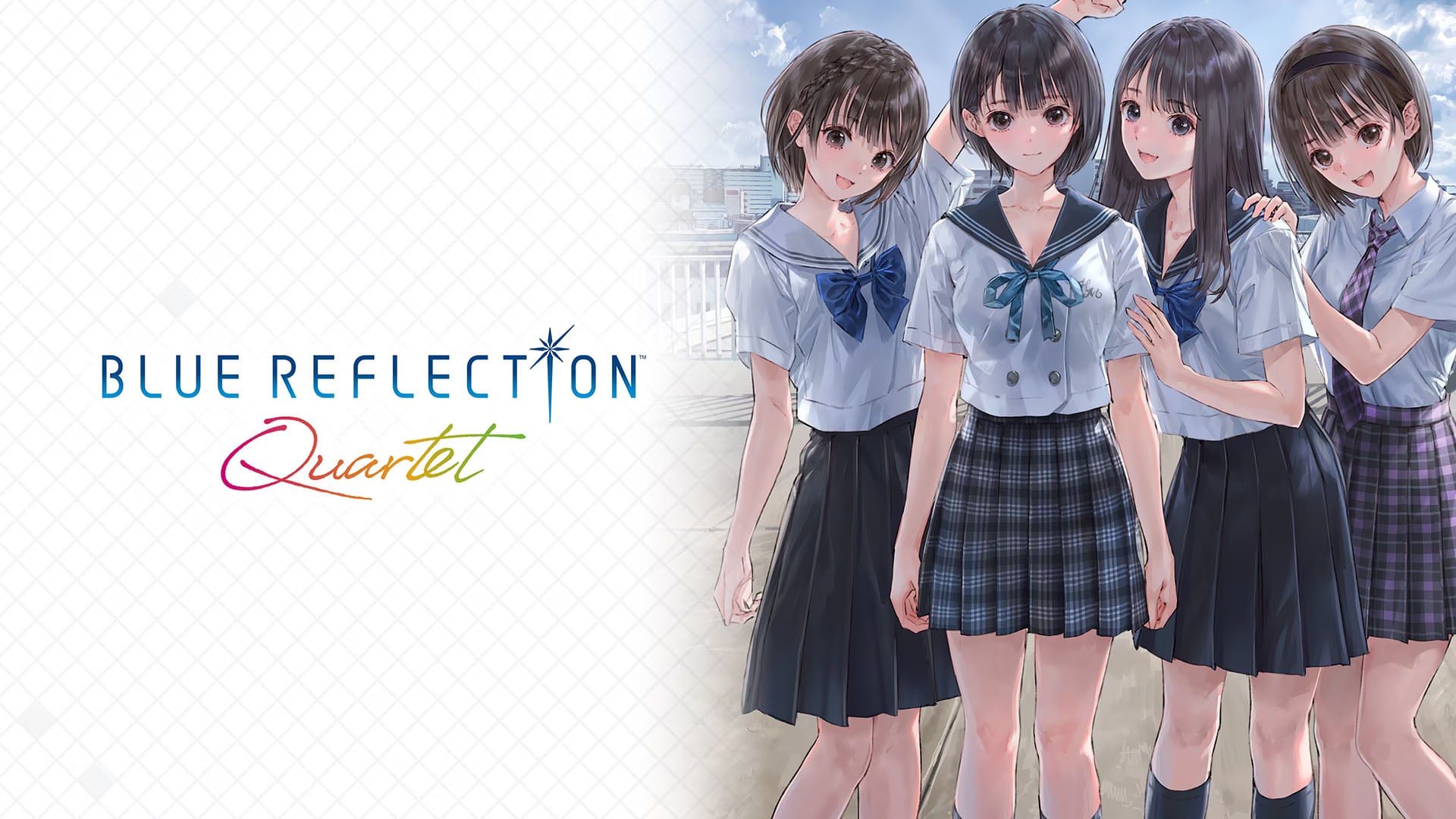
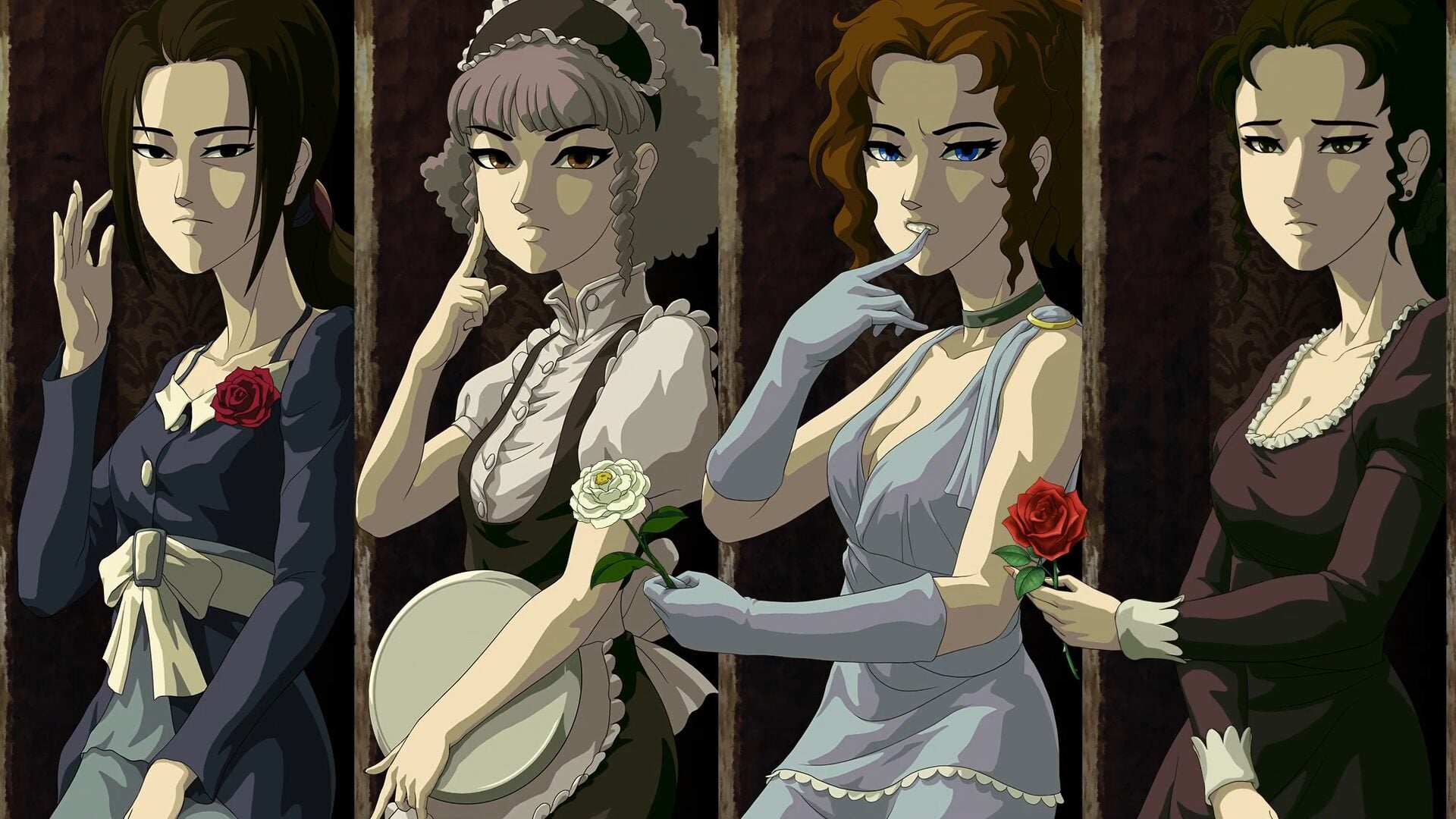
Over the past week, Steam users have voiced significant frustration over the sheer volume of spammy, AI-generated art flooding the platform. Initially, the idea of utilizing artificial intelligence to create artwork sparked curiosity. After all, technology often pushes creativity into intriguing new spaces. However, rather than enhancing the visual appeal, the influx of generic, uninspired images has done the opposite. It risks turning Steam’s vast library into a muddled sea of sameness, where unique titles struggle to catch a player's eye.
Historically, the vibrant capsule art on Steam served as a critical first impression, enticing players to explore new titles. It acted much like a film poster—a canvas displaying the essence of a game in just a glance. But with so many developers turning to quick, AI-generated solutions, it's becoming increasingly difficult to sift through the noise. The charm and variety that come from human artistry are slowly being overshadowed by these algorithmically produced images, leading to an experience for players that feels less personal and decidedly more commercial.
When browsing through Steam’s array of titles, you are often met with a striking absence of creativity, especially in smaller indie games that, in previous years, might have been buoyed by eye-catching and thoughtfully designed art. Instead, many of these games now appear to be vying for attention through what seems like an endless parade of generic aesthetics, and it makes the entire process feel akin to sifting through a digital landfill. It’s disheartening to think that the future of indie gaming, which thrived on the passions and distinct styles of individual developers, might risk becoming homogenized and lackluster.
Creative works need to provoke thought and emotion; they should communicate the essence of their own narratives and gameplay. Yet, as these bland visuals become all too common, players may find their excitement dulled, and Steam’s once vibrant marketplace could become a labyrinth of visual mediocrity.
This oversaturation of generic imagery has also spurred greater calls for reform among both players and developers. Some industry veterans argue that Steam should implement stricter guidelines for what constitutes acceptable art on the platform, particularly given that an increasing number of gamers are seeking quality over quantity. Ideally, Steam should be a space where innovation thrives, and this doesn't just apply to the games themselves but also to the presentation.
In a world where gaming is more popular than ever, the idea of losing that spark of creativity to a sea of algorithmically generated mediocrity is unsettling. We adore the quirkiness and richness of indie games; they often encapsulate a sense of rebellion against standardization. If platforms prioritize expedience over originality, we risk losing a core piece of what makes gaming a profound form of art.
As we look to the future, it’s crucial that Steam not only maintains its commitment to diverse content, but also fosters a community that values artistry and creativity. Should the trends continue down this path, it might just be the players who end up paying the price. Balancing innovation with personal expression is essential if we want to see the platform flourish rather than flounder.