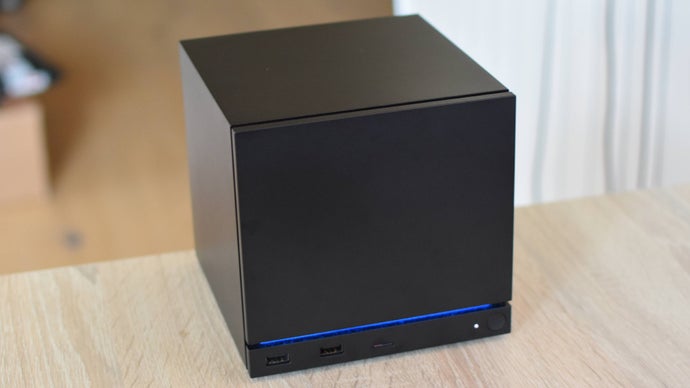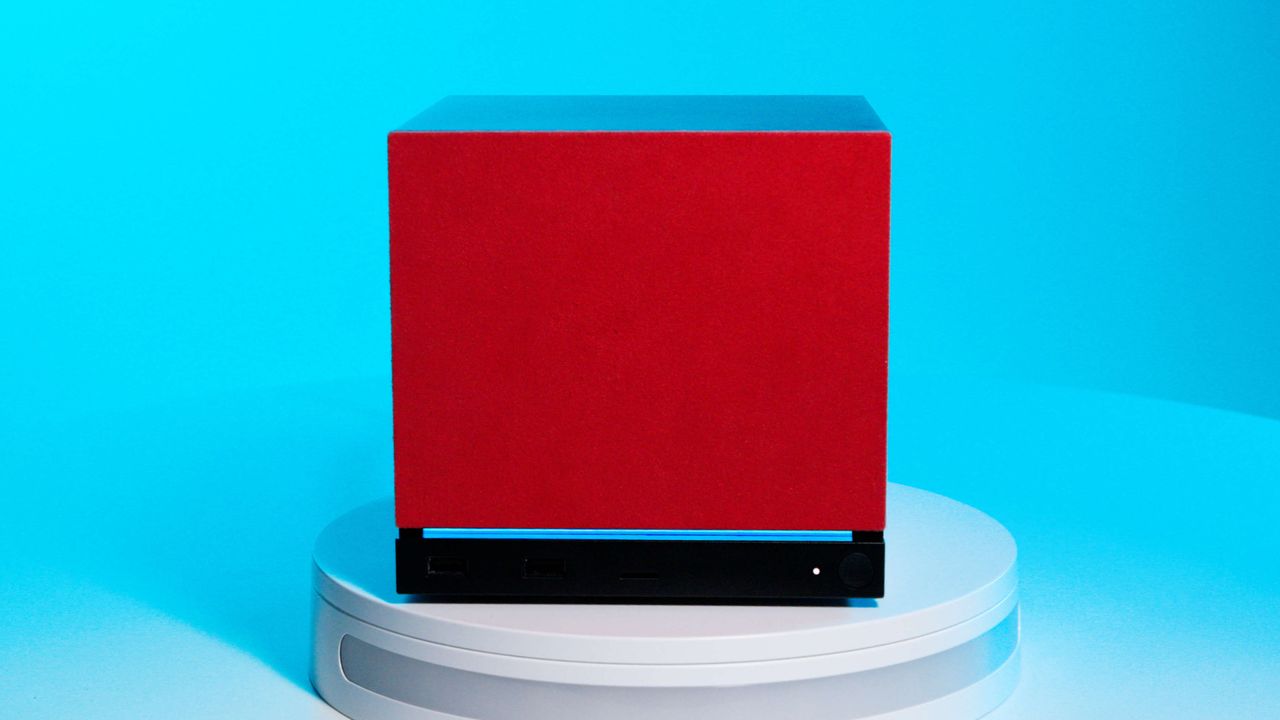
The Steam Machine is an intriguing piece of hardware that promised to shake up the gaming landscape. With its sleek design and compact form factor, it certainly caught the eye. Who wouldn’t be tempted by the idea of a living room gaming PC that aimed to combine the power of a desktop with the ease of console gaming? However, upon taking a closer look, it's clear that the allure of its exterior fails to mask some less-than-stellar realities lurking beneath the surface.
Let’s start with the pricing. On the surface, the Steam Machine might seem like a decent investment for anyone looking to enter the world of PC gaming. It offers a variety of configurations, catering to a range of budgets and preferences. But here lies the first conundrum: when you compare the performance of these machines to similarly priced gaming PCs, the value just doesn't add up. For a chunk of change that could get you a robust desktop capable of running the latest titles at high settings, the Steam Machine often feels underwhelming. In a market saturated with choices, it’s hard to justify spending your hard-earned cash on hardware that doesn’t offer the bang for your buck.
Performance is another area where the Steam Machine struggles to hit the mark. While it aspires to deliver high-quality gaming experiences equivalent to a dedicated gaming rig, it often falls short. Many users report subpar frame rates and inconsistent performance, especially on graphically intensive games. A gaming device that lags or stutters can be incredibly frustrating, dragging down the experience significantly. For gamers in search of smooth and immersive gameplay, the Steam Machine risks being more of a hindrance than a help.
Then there's the question of consumer value. Steam’s ecosystem is vast and varied, offering a treasure trove of games to explore. However, the Steam Machine represents just one piece of a larger puzzle. Many players have invested heavily in existing console ecosystems with exclusive titles, seamless experiences, and a community that feels cohesive. The Steam Machine, meanwhile, seems locked in an identity crisis. It tries to appeal to both PC enthusiasts who demand flexibility and console gamers who cherish simplicity, yet rarely succeeds in fully satisfying either group.
Moreover, let’s not overlook the complicated nature of the SteamOS, which powers the Steam Machine. While it’s an admirable attempt to create a console-like interface for PC gaming, it can leave users feeling frustrated and lost. The learning curve can be steep for those not versed in the intricacies of PC hardware and software. For gamers who just want to plug in and play, this added layer of complexity could prove to be a significant roadblock.
In an industry that continually pushes the boundaries of innovation, the Steam Machine, despite its promising concepts, comes across as a missed opportunity. It showcases an impressive design, but as we peel back the layers, we see that it struggles to combine form with function effectively. Pricing, performance, and overall consumer value are critical components that simply do not add up in favor of the Steam Machine.
In an age where gamers have high standards and expectations, this machine seems more like a curiosity than a game changer. For now, it serves as a reminder that sometimes, a beautiful exterior can’t hide the shortcomings inside.