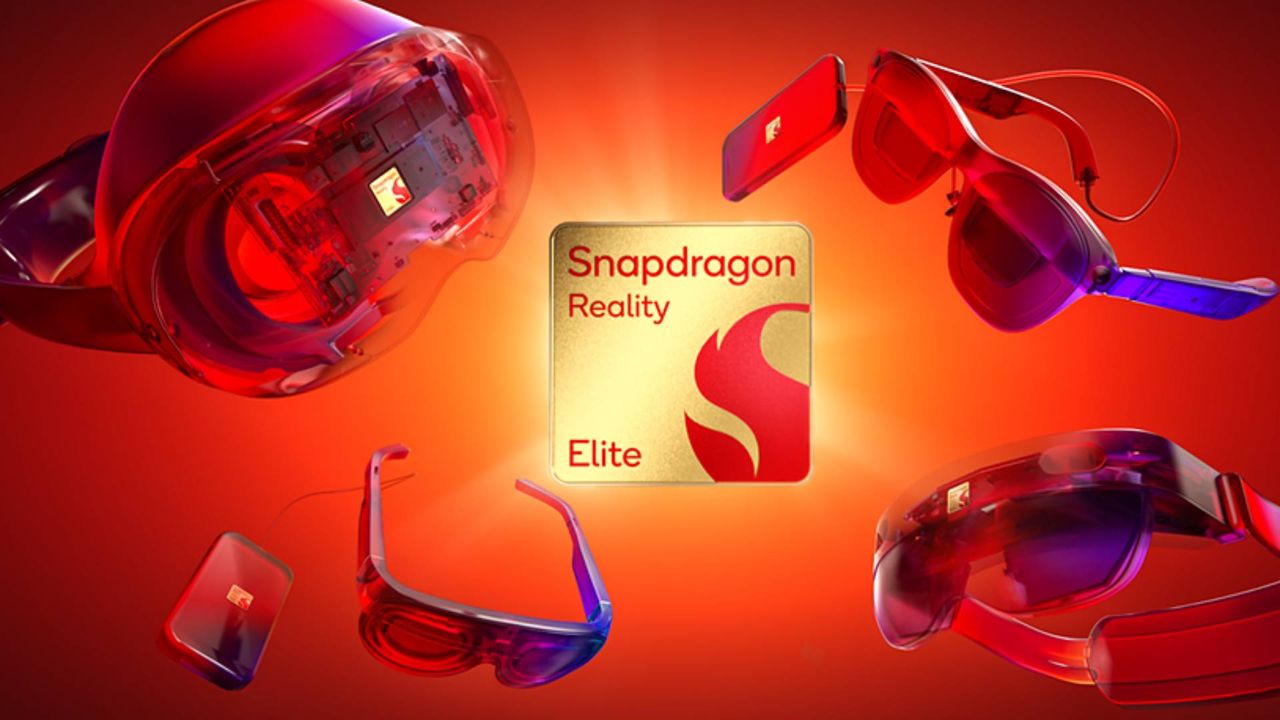
In a bold move designed to energize the VR gaming landscape, Snapdragon has unveiled its Reality Elite chip, which claims to deliver remarkable advancements in both GPU and CPU performance. This new processor promises gamers up to a staggering 60% boost in graphics capabilities and a 30% increase in CPU performance. These improvements could redefine the potential of virtual reality, particularly as the popularity of smartglasses continues to rise.
The gaming tech community has long been eager for hardware that seamlessly bridges the gap between mobile and high-end gaming experiences. Snapdragon’s latest offering seems to be a step in the right direction. With immersive gaming experiences often hindered by the limitations of current technology, the Reality Elite chip aims to create a more fluid, responsive environment that could elevate gameplay to new heights. Imagine a world where virtual adventures are not only visually stunning but also smooth and without the lag that has become all too familiar in the VR realm.
As the enthusiasm for smartglasses grows, the Reality Elite chip is poised to amplify this trend significantly. Developers have been casting their eyes toward augmented and mixed realities, recognizing that VR is more than just an entertaining distraction. It's becoming an essential aspect of how we interact with digital content. With Snapdragon's new chip promising enhanced performance, the potential for innovative experiences becomes almost limitless.
The leap in performance metrics is impressive, but what's truly exciting is how this technology could enable developers to think outside the box. Higher GPU performance means richer graphics at higher resolutions, which could directly enhance the immersion factor for users. Picture yourself in a dynamic environment where every detail is crisply rendered, colors are vibrant, and the physics feel realistic. Such experiences are crucial in drawing players deeper into the virtual worlds being created.
On the CPU side, the increased efficiency will allow for more complex computations, supporting everything from intricate game mechanics to sophisticated AI behaviors. Better CPU performance means that not only will characters react more fluidly to player actions, but also that the worlds they inhabit can be more richly populated and interactive. The blending of these technical capabilities could lead to VR games that are not just visually appealing but strategically deep and rewarding.
The industry has long debated the potential of VR as a mainstream gaming medium. While we've seen numerous attempts to push the boundaries, many have faltered due to cost and performance restrictions. However, with Snapdragon’s Reality Elite chip, the narrative is shifting. The investment in performance signifies a commitment to breaking through the barriers that have restricted high-quality VR content. There's a possibility that we might finally see VR experiences that don’t just cater to niche audiences but serve as appealing options for a broader range of gamers.
As more brands and developers embrace this technology, we could be on the cusp of a renaissance in VR gaming. Smartglasses, once viewed as a novelty, might find themselves at the forefront of mainstream entertainment. With Snapdragon's cutting-edge chip, the conversation around VR is set to evolve. It's about time we expect more from our gaming experiences, and with this new technology, that future feels tantalizingly close. The potential is enormous and, for the first time, it feels tangible. The industry as a whole is watching closely, and many are eager to see who will first capitalize on this emerging opportunity. The future of VR gaming looks brighter than ever, and that's an exciting prospect for all of us.