Silicon Motion says 'the retail SSD market has almost disappeared' as NAND shifts towards AI servers and OEMs scoop up the drives that usually sit in our gaming PCs
2KINTEL DESK3 min read
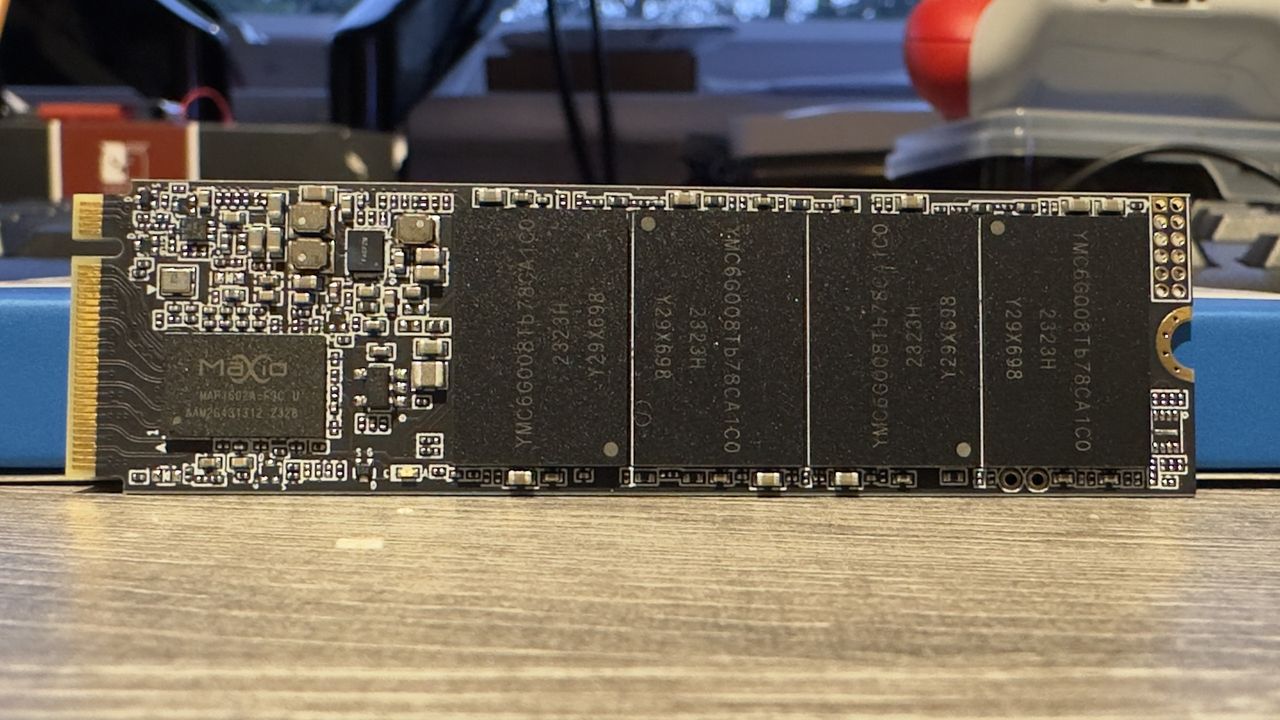
In a move that has sent ripples through the gaming community, Silicon Motion recently made a striking declaration: the retail SSD market is nearing its end. This surprising assertion emerges amid a significant shift in the technology landscape, where NAND flash memory is being increasingly oriented toward AI servers rather than the more traditional consumer markets. The implications for gaming enthusiasts and PC builders are profound, and they're arriving at a time when the demand for high-performance storage has never been higher.
Silicon Motion, a well-known player in the storage controller space, highlighted that the usual flow of NAND drives that would typically populate gaming PCs is seeing a dramatic change. This realignment in supply is mainly due to OEMs—original equipment manufacturers—scooping up the available drives for their own needs. It seems that the robust demand for SSDs in data centers and businesses focused on artificial intelligence applications is eclipsing the consumer market, creating a scarcity that directly impacts gamers.
This development raises a plethora of questions for anyone invested in PC gaming. With retailers struggling to maintain stock and sell-through rates plummeting, enthusiasts might wonder how they will upgrade their systems or build new ones without access to reliable and performant SSDs. The high-speed drives that many have come to rely on for low load times and seamless gameplay are increasingly being prioritized for sectors that promise higher returns. Trading gaming performance for a corporate focus seems like a harsh reality for many who enjoy modding their systems and staying on the cutting edge.
Compounding the issue is the broadening scope of usage for SSDs. There was a time when consumer PCs were a primary focus, but now the spotlight has turned toward enterprise-grade solutions that support data-intensive AI tasks. This pivot changes the game dramatically, leaving retail markets wanting. Gamers who were planning to upgrade their rigs or those simply wanting to enhance their gaming experience might find themselves stuck, unable to access the latest technology.
In an ironic twist, the drive toward scalability in AI applications is heightening the need for advanced storage solutions, inadvertently pulling potential offerings away from the gaming sector. As AI continues to evolve and demand outsizes supply chains, retailers are left with dwindling stocks, forcing gamers to adjust their expectations. Developers still want to push the boundaries on what games can look and feel like, but if the hardware simply isn't available, those innovations may take longer to materialize.
So, what's the takeaway? As game developers and players alike hope for a return to normalcy, the question of whether the consumer SSD market can rebound looms large. Some analysts suggest this trend might be temporary, a consequence of fluctuating demands across different technological landscapes. However, as long as AI continues to drive growth, the gaming sector may remain in the back seat for quite some time.
Those involved in the gaming community will have to keep a close watch on these market shifts, adjusting strategies for upgrades and new builds as necessary. While Silicon Motion's announcement may feel like a somber prediction for gamers, it also highlights the continuous evolution of technology and its unpredictable impacts on various sectors. At the heart of it all, this is merely another chapter in the ongoing saga of technology's march forward, a microcosm of how innovation shapes the landscape we once thought we understood.
More Articles

Nintendo Switch update finally fixes eShop bug fans complained about for 9 years
Jun 16, 2026

Copa City is a sweet and sweaty mix of city-building and tycoon game in which you manage armies of football fans
Jun 16, 2026

Saber open the Hellraiser: Revival release date box and show it's coming in October
Jun 16, 2026

Persona 4 Revival English voice cast announced
Jun 16, 2026