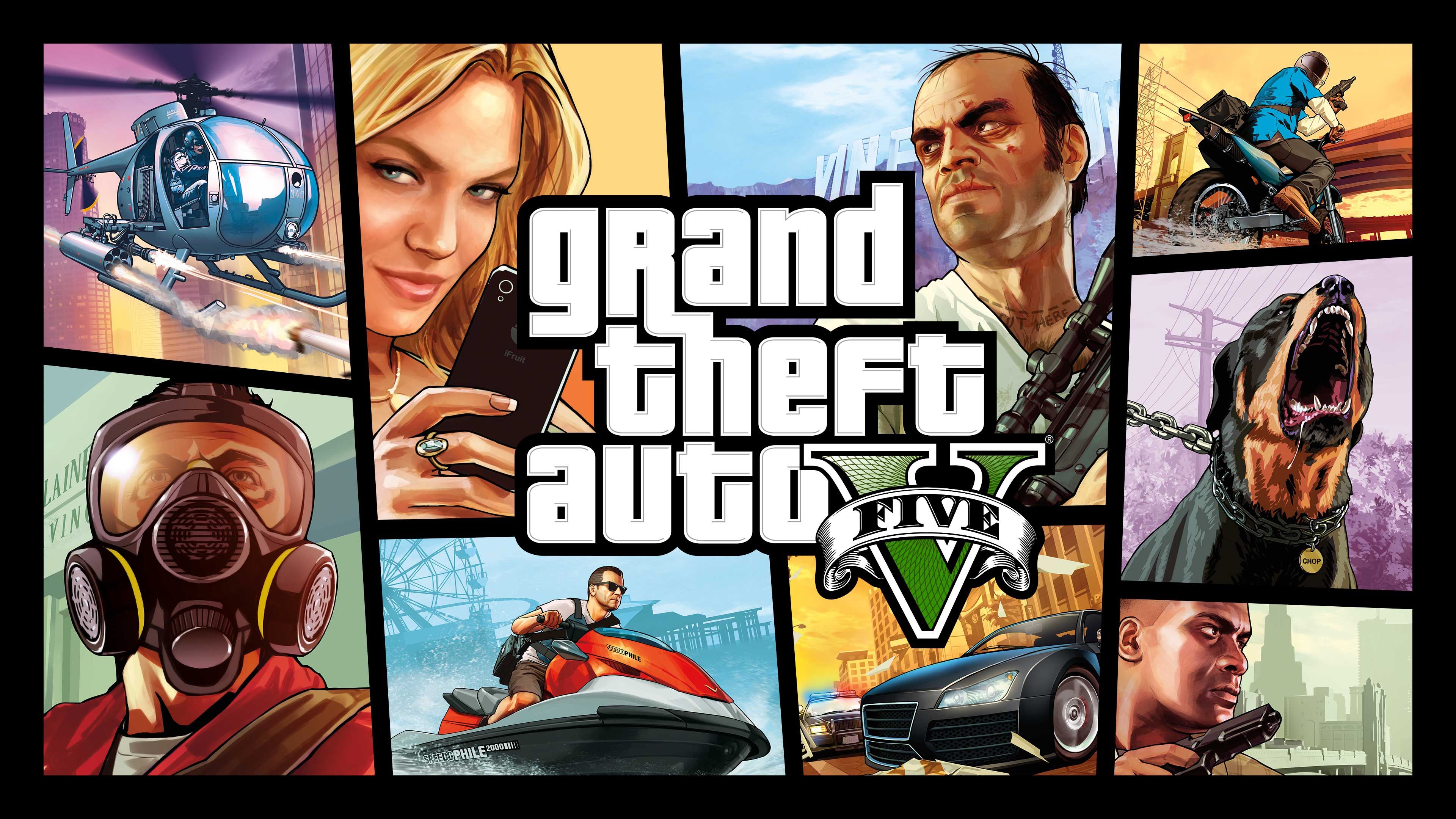
In a notable turn of events for Rockstar Games, an employment tribunal has decided against the studio's effort to dismiss claims of blacklisting associated with their ongoing legal challenges regarding alleged union-busting activities. This decision marks a pivotal moment not just for Rockstar, but for the broader conversation about labor rights in the gaming industry, especially as the anticipation for Grand Theft Auto 6 continues to build.
The tribunal's ruling comes at a time when many in the industry are grappling with the complexities surrounding labor relations and the treatment of employees. Rockstar has been under scrutiny since former employees claimed that the company engaged in tactics to undermine unionization efforts. The blacklisting accusations are particularly significant, as they suggest a culture that some argue is rooted in silencing dissent and maintaining the status quo.
It's worth highlighting that the gaming community has been more vocal than ever about labor rights. This isn't just about Rockstar; the entire industry is under a microscope. With news of crunch time extending beyond reasonable limits, low wages in some sectors, and high turnover rates, these recent developments are stirring conversations among gamers and advocates alike. The interest in GTA 6 hasn’t dulled the scrutiny on Rockstar’s business practices. For many, it’s hard to separate the excitement for a new game from the ethical implications of how that game was made.
The tribunal's refusal to allow Rockstar to sidestep the blacklisting claims puts the studio in a tough spot. On one hand, they have a highly anticipated title in the works, something that can generate significant revenue. On the other, they are facing serious allegations that could tarnish their reputation and authenticity in the eyes of consumers. Rockstar has always prided itself on delivering immersive worlds and narratives, but a narrative shift is happening right now, one that might force the company to reconsider its internal practices and approach to employee relations.
While the demand for creative freedom and groundbreaking storytelling remains high, there’s now a rising expectation from both consumers and employees that gaming companies should foster supportive environments. The video game landscape is evolving rapidly, and the recent attention to labor justice reflects a wider cultural shift. Gamers are increasingly aware of who’s making the games they love, and they are not hesitating to voice their discontent over any practices that undermine those workers.
The implications of this tribunal ruling extend beyond just this case. It resonates with the experiences of countless workers in tech and creative industries who are pushing back against a perceived culture of fear and compliance. As the legal battle unfolds, it serves as a reminder that even the most iconic gaming brands must not only contend with the demands of their fans but also the ethical responsibilities they hold toward their employees.
As we look forward to GTA 6, let’s keep in mind that the story we’ll eventually play is intertwined with the journey of those who crafted it. In an age where transparency and accountability have become integral to brand loyalty, Rockstar Games finds itself not just at a crossroads but possibly facing a reckoning of sorts. With history as a guide, it’s clear that narratives can change, and it’s up to Rockstar to write a new chapter that honors both their legacy and the well-being of their team.