In the ever-explanding world of indie horror games, Moldrise stands out as a uniquely unsettling experience that’s captured my attention like no other demo in recent memory. It's not every day that a game takes such a bizarre concept—toe fungus threatening to consume your very mind—and transforms it into a genuinely gripping narrative. What could easily devolve into a silly premise instead manages to weave tension and humor into a journey that feels both visceral and absurd.
From the moment you step into the shoes of the protagonist, you’re thrust into an apartment block that seems to be oozing with decay. The walls are adorned with past-due bills and the residue of long-forgotten pizza, painting a picture of a place that was once alive but is now cloaked in grime and neglect. It’s a world that feels achingly familiar, yet disturbing enough to make your skin crawl. With each squelch resonating underfoot, you become acutely aware of the infestation creeping through your character’s body, a constant reminder that time is of the essence.
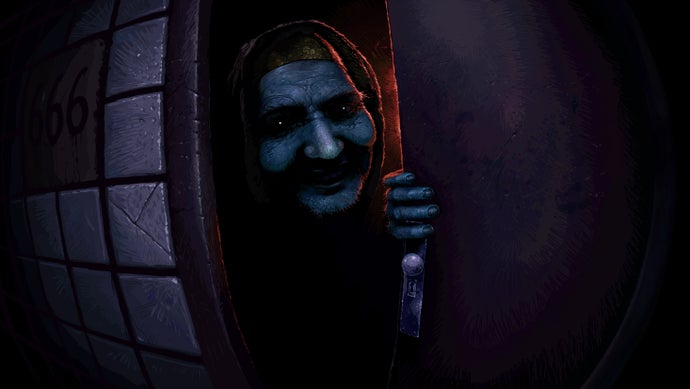
The sound design amplifies this sense of urgency in a way that draws you deeper into the experience. The squishing sounds become increasingly textured as the fungal villain spreads, accompanied by the strained groans of the character, who is caught in a struggle that seems almost Sisyphean. Each door you open represents a step toward salvation, yet they often lead to grim surprises that magnify your dread. This mechanic encourages exploration, drawing you into corners of the building you might rather avoid, all in pursuit of relief from your maddening condition.
What Moldrise does exceptionally well is marry humor with horror. There’s something absurdly delightful about the race against an impending fungal takeover, blending a sense of urgency with moments that make you chuckle nervously. Against this backdrop, the developer's craftsmanship is undeniable. The art style complements the tone exquisitely—visceral without being grotesque, allowing players to focus on the narrative rather than becoming bogged down in the shock factor.
As new levels unfold, each room feels more entangled in the building's lore. Old tenants’ belongings create stories that linger in the air long after you leave. The people who once inhabited these spaces are gone, leaving behind a sense of loss amplified by your character's plight. It’s a brilliant juxtaposition that lingers in the back of your mind while you scramble for lotion, enough to stave off the fungal threat, even if just for a moment.
Undoubtedly, Moldrise has left an indelible impression. It's refreshing to see developers take creative risks and embrace the weirdness that often accompanies horror games. The narrative control it exerts over players is mesmerizing, stirring up anxieties not just about microbial growth but also about the spaces we inhabit and the corners of our psyche we’d rather keep hidden. In a genre laden with predictable jump scares and tired tropes, Moldrise invites you to confront the bizarre reality of our environment—both inside and out.
Whether you find yourself enthralled by the wild premise or simply curious about the experience, Moldrise is a compelling reminder that horror doesn’t merely dwell in jump scares or darkened corners but can also thrive in the oddities of everyday life, however grotesque they may be. As I put down the controller, I’m left craving more, eager for the full release, and hoping that my own battle with toe fungus ends there, without crossing into the realm of cerebral horror.