When Quentin Tarantino made headlines by critiquing the necessity of Toy Story 4 and 5, he struck a nerve that resonates not just with film aficionados, but with gamers and storytellers alike. His assertion that these sequels are, in fact, unnecessary holds a profound truth, particularly for those who witnessed the emotional culmination in Toy Story 3. It’s a sentiment I share, especially as a lover of narratives that capture the essence of growth, nostalgia, and the bittersweet moments of farewell.
Toy Story 3 stands as a masterclass in storytelling. It wraps up the saga of Woody, Buzz, and the rest of the gang in a way that feels both satisfying and heartbreaking. Andy’s transition from childhood to adulthood is a universal experience. Watching the toys navigate their own sense of purpose as Andy moves on allows viewers to reflect on their own life chapters. It’s a poignant ending, one that leaves us feeling both fulfilled and melancholic, and that’s the beauty of it. It didn’t just close a story; it encapsulated an entire generation’s feelings about friendship, change, and the passage of time.
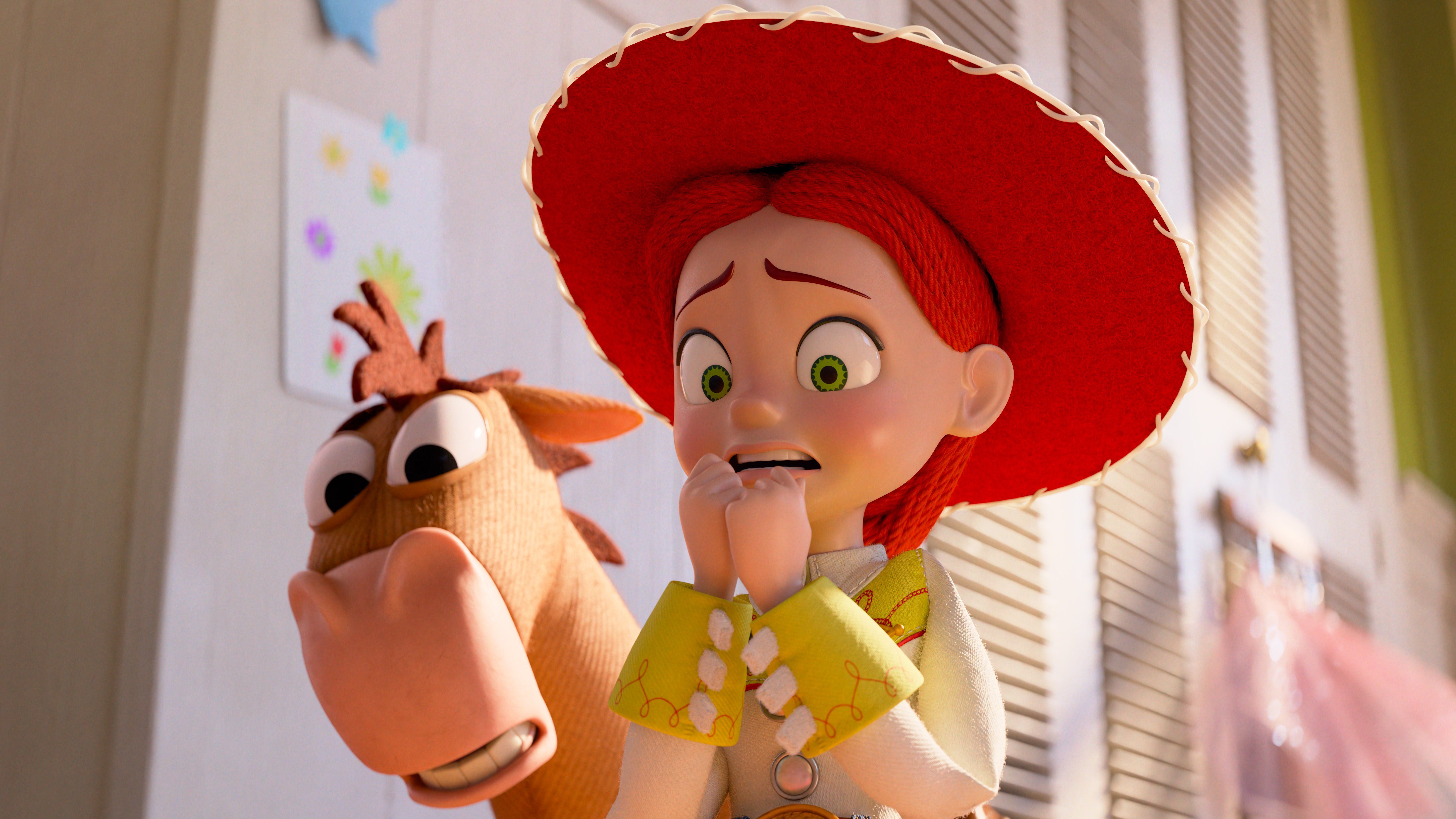
When we look at the sequels that followed, especially Toy Story 4, it becomes evident that the creatives involved were perhaps too enamored with the formula that made the first three films beloved. While Toy Story 4 introduced delightful new characters and showcased stunning animation, it seemed more focused on revisiting familiar themes rather than exploring new territories. Instead of building on the emotional depth established in Toy Story 3, it arguably diluted the original narrative’s impact. Characters who were left with definitive arcs started to meander, and the sense of closure we cherished fizzled away.
And then we have the prospect of Toy Story 5 lurking in the background. Asking whether we really need a fifth installment almost feels like a rhetorical question. The magic of the original trilogy lay in its ability to evolve and adapt while remaining true to its core message. By extending the saga, it risks becoming a mere shadow of its former self, overshadowed by its own legacy. Imagine a beloved book series that continues long past its prime, each installment further diminishing the resonance of the earlier tales.
The beauty of a story often lies in its ability to end gracefully, allowing its characters to live on in our memories rather than diluting their impact with unnecessary sequels. In a medium where we have witnessed the power of storytelling evolve—with games like The Last of Us pushing boundaries and exploring deep emotional themes—it’s frustrating to see a powerhouse franchise like Toy Story potentially squander its legacy with sequels that don’t add substantial value to its narrative.
Of course, the desire for more content is understandable. Nostalgia drives fans to crave familiarity, which is why studios often return to beloved properties. However, revisiting tales that so artfully left us with feelings of triumph and wistfulness can sometimes feel like a step backward, particularly when those additional chapters don't resonate with the same emotional weight.
Perhaps it’s time to allow Woody and Buzz the quiet farewell they deserve, letting their stories remain cherished memories. The world of crafting stories, whether in film or games, thrives when creators respect the power of a perfect ending. Sometimes less truly is more, and in the case of Toy Story, it might just be the most respectful choice.