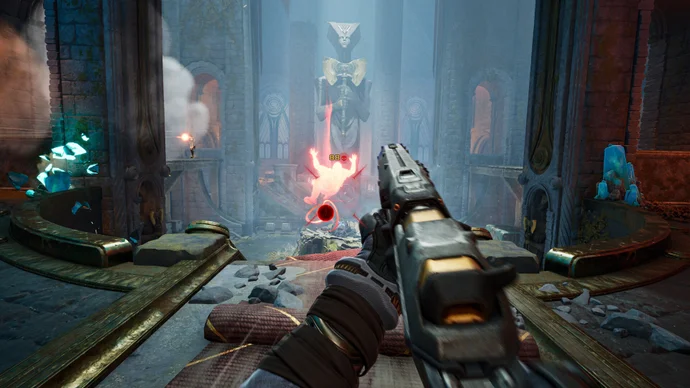
Highguard, a title that seemed ripe for success not long ago, now finds itself sidelined in a landscape dominated by live service games. The challenges faced by its developers at Wildlight are becoming clearer, particularly through the perspective of former senior level designer Alex Graner. His experiences may shed light on why this once-promising shooter is struggling to find its footing amid a crowded market.
Graner suggests that Wildlight’s eagerness to cater to the competitive gaming community might have backfired, potentially alienating a broader audience. In an industry that increasingly demands a certain type of engagement, it’s tempting for studios to lean into the competitive aspect, hoping to catch the attention of hardcore players. However, this strategy can be a double-edged sword. While aiming for a dedicated fanbase is important, neglecting the casual player can create significant gaps in a game’s appeal.
Highguard’s ambition to carve out its niche appears to have overshadowed a critical understanding of player diversity and preferences. The game once had the potential to thrive in a more relaxed space but instead took a sharp turn, diving into the intense realm of competition. Graner’s insights remind us that successful games often balance competitive elements with accessibility, allowing a wider range of players to enjoy what they offer.
As the live service market continues to evolve, the lessons learned from Highguard’s struggles will play a vital role in how future titles are developed. The landscape is unforgiving, and as gamers seek experiences that blend excitement with inclusivity, understanding the delicate interplay between competition and community will be essential for any studio hoping to make a lasting impact.
Source: rockpapershotgun.com