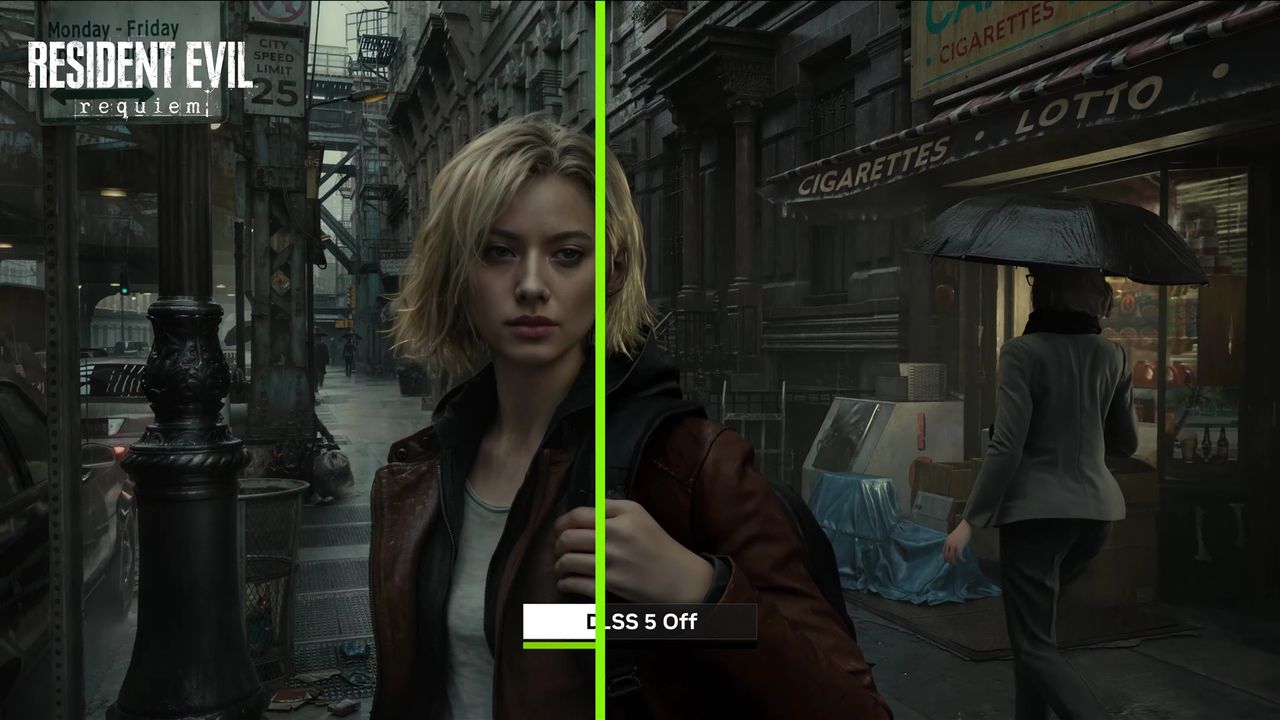
In a recent conversation, Nvidia CEO Jensen Huang addressed the growing backlash surrounding DLSS 5, the latest iteration of the company’s deep learning super sampling technology. Critics have voiced concerns that this advanced AI technology might infringe on the artistic control developers cherish in their games. Huang, however, feels these concerns are not only misplaced but fundamentally misunderstand how DLSS 5 functions.
At its core, Huang insists that the technology does not strip developers of their creative vision. He points out that artistic control remains firmly in the hands of developers, which raises an interesting discussion about how technology and creativity intersect in modern gaming. It’s important to remember that while DLSS 5 enhances performance and image quality, it operates within the parameters set by creators. The idea is not to overshadow their work but to elevate the experience.
This emphasizes a broader narrative in the gaming industry: the balance between leveraging cutting-edge technology and maintaining the unique voices of the developers who create our favorite titles. Especially as graphics and processing capabilities evolve, discussions about artistic expression become increasingly relevant. The technology should serve as a tool for enhancing gameplay, not dictate how stories or visuals are presented.
As the conversation around DLSS 5 continues to unfold, it will be crucial for both developers and gamers to explore the nuances of this relationship. Ultimately, Huang’s assertion that artistic control remains intact serves as a reminder that technology can coexist with creativity, each enriching the other in unexpected ways.
Source: pcgamer.com