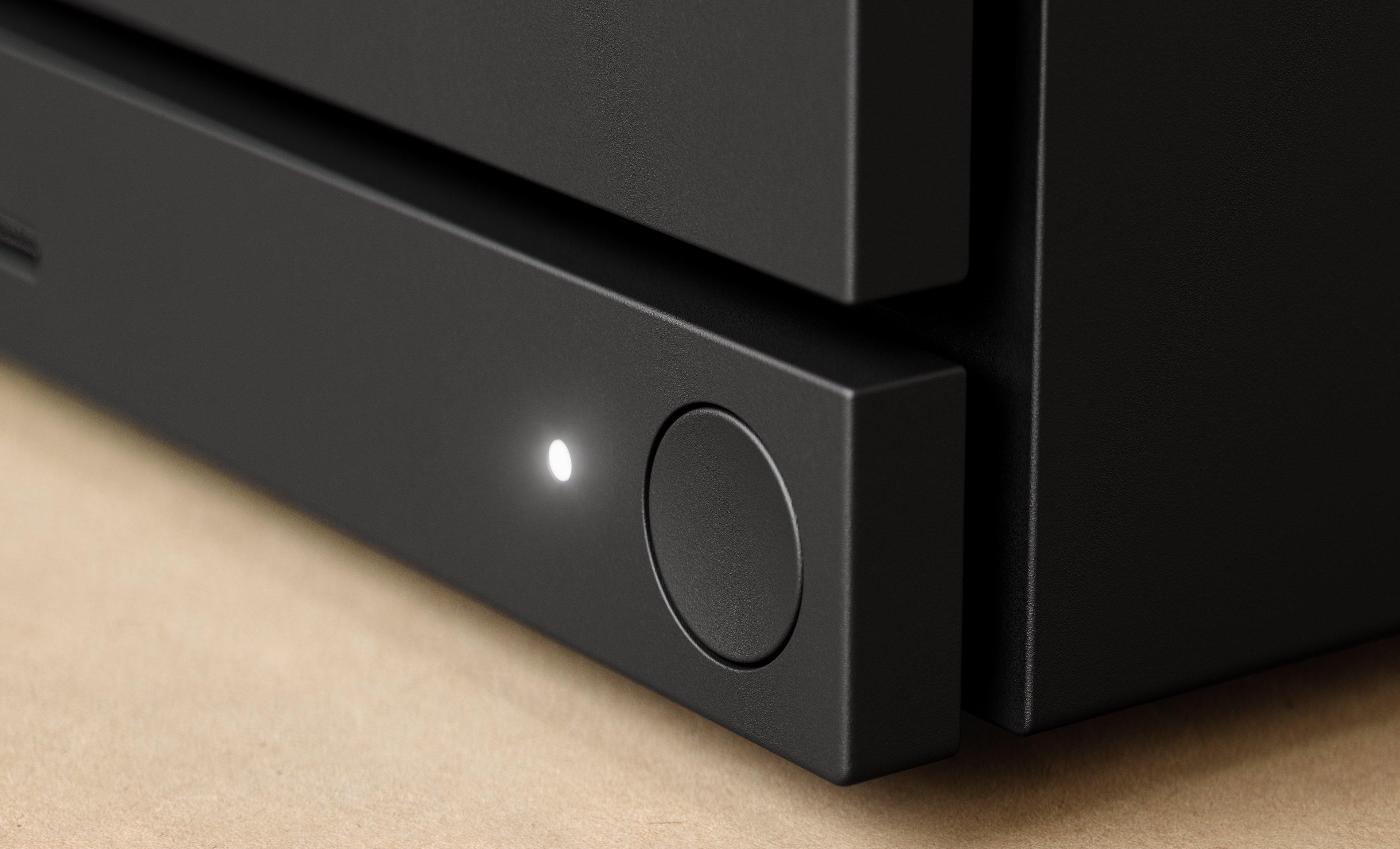
As the gaming industry gears up for the next generation of consoles, the speculation surrounding their pricing is more charged than ever. With industry insiders and analysts weighing in, a recurring theme has emerged: could the next PlayStation and Xbox be priced at $1,000 or more? It's a contentious debate, one that reflects both a shifting landscape in gaming and the rising costs associated with cutting-edge technology.
The conversation kicked into high gear following announcements about Valve’s Steam Machines, which have garnered attention for their potential to redefine the console market. While Valve is largely seen as promoting a PC-centric approach, the ripple effects are being felt across the entirety of the console ecosystem. This shift raises the question of whether industry giants like Sony and Microsoft will feel pressured to elevate their pricing structures in response to new developments.
Some analysts argue that we’re already witnessing a trend toward premium pricing. High-performance components, such as graphics cards and advanced processors, are becoming increasingly expensive. This uptick in costs inevitably trickles down to consumers, and it's hard to ignore the reality that many gamers are already shelling out substantially more for high-end gaming PCs or even premium versions of existing consoles. If the PlayStation 6 and Xbox Helix deliver on the cutting-edge promises being made, a four-digit price tag could become not just plausible, but necessary to keep pace with technological advancements.
On the flip side, there are those who firmly believe that such a pricing strategy would alienate a huge segment of the gaming community. Historically, both Sony and Microsoft have been keen to ensure their consoles remain accessible, often utilizing strategic pricing and bundling to capture the market’s interest. The potential for a backlash from consumers who feel priced out can't be overlooked. The memories of the disastrous launch of the PS3, when its pricing was considered prohibitive, still loom large in the minds of many industry veterans.
Moreover, the ongoing discourse surrounding game affordability adds another layer of complexity. With the rise of digital gaming, many players are drawn to subscription services and free-to-play models. These avenues are increasingly popular, particularly for casual gamers. If the next consoles leap into the stratosphere with their pricing, how will that affect the ecosystem of games that players expect to accompany them? It becomes a balancing act of value versus innovation.
The integration of cutting-edge technologies like augmented reality, virtual reality, and advanced AI must also factor into this pricing conversation. Developers are pushing the boundaries of what games can be, leading to games that require more advanced hardware. If Sony and Microsoft are to stay competitive and deliver those next-generation experiences, they may find themselves compelled to invest heavily across the board, from hardware development to marketing. That investment inevitably leads back to the end user.
Ultimately, the debate over whether the upcoming consoles will see a price surge reflects broader trends facing the gaming industry. It will be fascinating to see how the tides shift as we approach launch. Will Sony and Microsoft take the plunge into high prices, or will they devise strategies that prioritize accessibility? Regardless of the outcome, one thing is clear: the next generation of gaming consoles promises to be as riveting from a pricing standpoint as it does from a technological one. Gamers will be watching closely, and their wallets may soon speak louder than words.