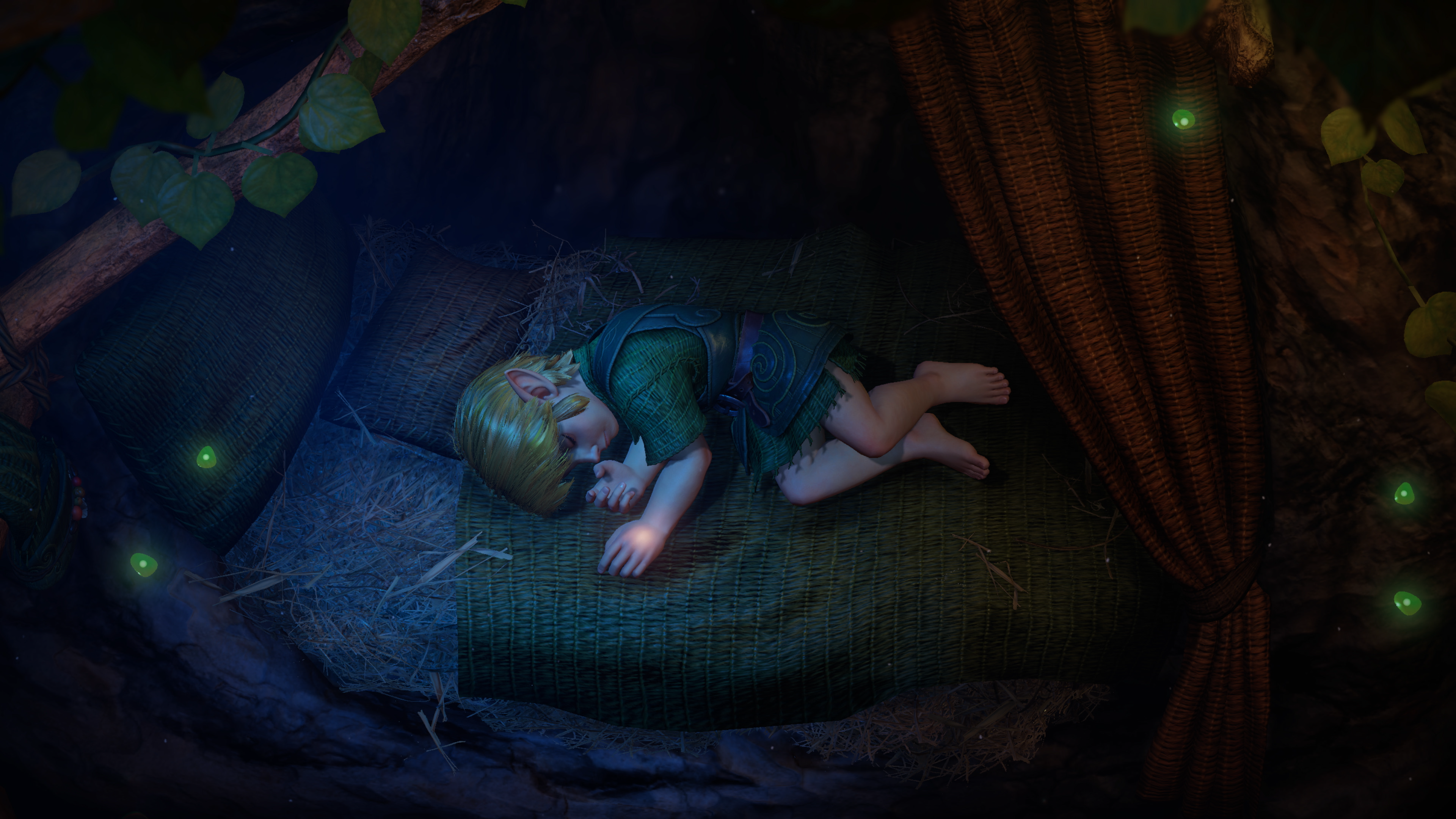
As anticipation continues to build for the remake of The Legend of Zelda: Ocarina of Time, it's clear that the developers face a daunting challenge: balancing the expectations of long-time fans alongside newer players who have been captivated by the open-world approach of Breath of the Wild. Nintendo stands at a crossroads, and the choices they make could shape the future of the franchise in profound ways.
Ocarina of Time isn't just a nostalgic piece of gaming history; it’s a touchstone for an entire generation that grew up roaming the realm of Hyrule, solving puzzles, and battling iconic foes. Its narrative depth and intricate dungeon design have left a lasting impression. Yet, as the gaming landscape evolves, so too do the preferences of its players. The freedom found in Breath of the Wild has transformed the way many engage with Zelda, shifting expectations for what a Zelda game can and should be.
The remake represents an opportunity for the developers to bridge the gap between these two diverging paths. There is an undeniable beauty in the traditional gameplay of Ocarina of Time, complete with its carefully curated dungeons and a more linear storytelling approach. However, this is juxtaposed against the exhilarating freedom and vast exploration that Breath of the Wild offers. If Nintendo can successfully meld these gameplay philosophies, they may not only honor the legacy of the original but also attract a new generation of fans.
Imagine reimagining the famous, structured dungeons of Ocarina within a more open-world-esque structure, where players can tackle challenges in any order they choose. The lush landscapes of Hyrule could breathe new life into familiar scenes, allowing players to approach puzzles and enemies with newfound creativity. This kind of freedom could revolutionize the way players interact with the game's world, forging a stronger connection between the past and present.
Yet, this delicate balancing act is fraught with potential pitfalls. Some long-time fans may resist changes that deviate from the original experience they hold dear. There is an inherent risk in modernizing a classic, especially one so deeply revered as Ocarina of Time. The developers must tread carefully, ensuring that they remain true to the heart of what made Ocarina resonate with audiences while still embracing innovation that speaks to the tastes of today’s players.
In the age of online discourse and social media, the conversation around Zelda has become increasingly polarized. Traditionalists often tout the virtues of structured gameplay, while others celebrate the expansive experimentation found in Breath of the Wild. A successful remake must honor both sides of the spectrum, creating a game that engages and excites without alienating. This is not just about revisiting nostalgia but nurturing a vibrant future for the franchise.
As we look ahead to the unveiling of this remake, a sense of cautious optimism pervades. The challenge of reconciling the contrasting visions of Zelda’s past and present could lead to an unprecedented gaming experience. The developers have the opportunity to unite diverse fanbases, crafting a game that not only speaks to the hearts of those who first discovered Ocarina’s magic years ago but also appeals to newcomers who crave the freedom to explore. If done right, this remake could serve as a shining example of how to honor tradition while boldly stepping into the future, forging a new era for the Legend of Zelda series.