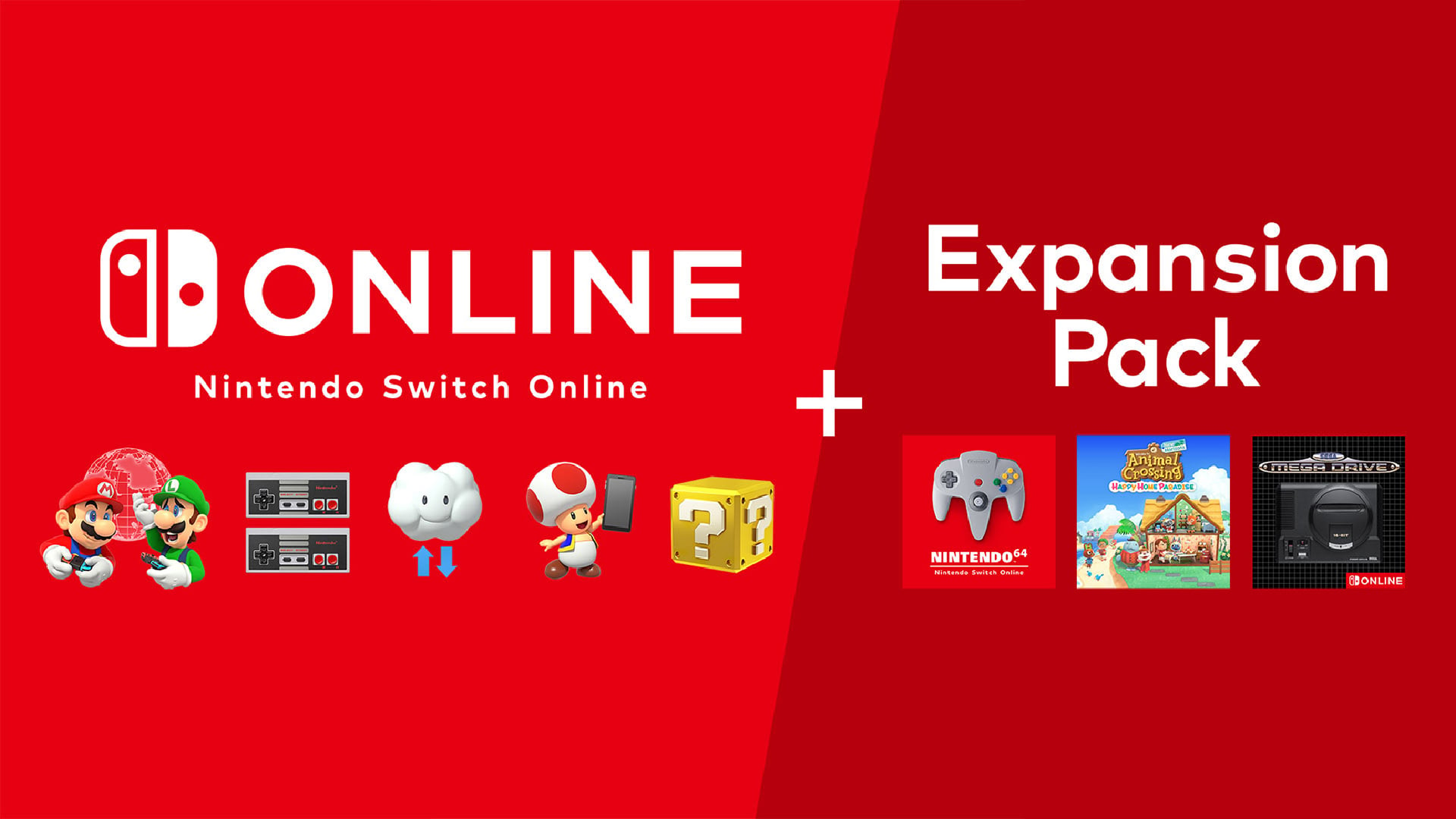
Nintendo has just announced a price hike for its Switch Online service in Japan, sparking conversations across the gaming community. While rumors often fly about potential changes, this move feels particularly significant, marking the first adjustment to the subscription model since its launch. For Japanese gamers, what was once an accessible way to engage with classic titles and online multiplayer now comes with a new price tag.
The exact details of how much the service will cost going forward haven’t been fully disclosed, but given Nintendo's recent trends in pricing, it's reasonable to expect that the increase will be noticeable. The original pricing strategy was appealing, especially in a market where competition for consumer dollars is fierce. Friends and families relied on the affordable subscription to enjoy classics like Super Mario Kart and various indie gems together. However, the recent change suggests that Nintendo is looking to enhance their offerings, expand their library, or perhaps bolster their service infrastructure.
Interestingly, this price rise currently applies only in Japan, leaving gamers in regions like North America and Europe in a state of limbo, eager to see if similar changes will come their way. Nintendo often takes a region-specific approach when it comes to pricing, often considering local economies and purchasing power. It’s logical to wonder how long the rest of the world will enjoy their current rate, especially if the Japanese market gives a green light to this strategy.
As we look at Nintendo’s trajectory, this increase could signal a shift in how they plan to develop their online offerings. The library of classic titles included with the subscription has expanded in recent years, and if that trend continues, we might see even more justification for the price jump. Offering access to beloved games from the Nintendo 64 era, the Game Boy library, and now even introducing some classic GameCube titles could shift the value perception for many users. The question remains whether players will feel the service delivers enough in return for their hard-earned money.
For many, the nostalgia attached to these titles coupled with the convenience of online multiplayer is worth the price. Yet it's crucial for Nintendo to ensure that the increase aligns with tangible benefits for subscribers. If they can continue to publish cherished classics and invest in robust online features, the price adjustment may well be justified in consumers' minds.
However, this doesn't come without its risks. Online services have become a cornerstone for most gaming platforms, and gamers often keep a close watch on what kind of value they’re receiving. If subscribers don't perceive enough quality in the service, even loyal fans may reconsider their commitments. The balance is delicate, and Nintendo has historically had a devoted fanbase, but nothing is immune to pushback, especially when money is involved.
For now, the gaming world waits with bated breath. Will other regions soon follow Japan in adjusting their subscription fees? How will gamers react to Nintendo's evolving approach to online services? These are questions worth pondering as we sit on the edge of the console's future. One thing is for certain: Nintendo's next move will be closely watched by its global audience, who are eager to see if the price increase leads to a richer and more rewarding gaming experience.