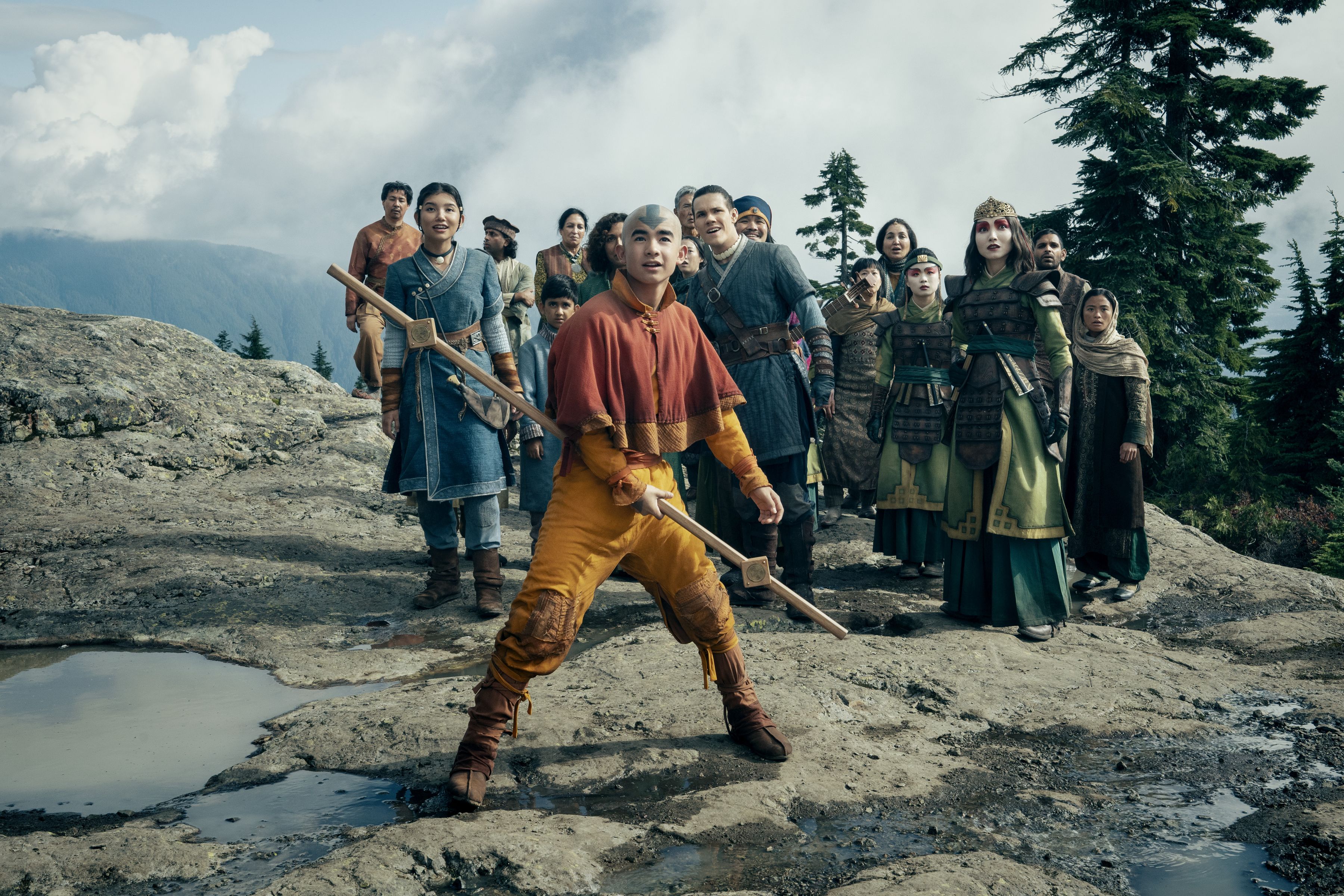
Netflix’s live-action adaptation of Avatar: The Last Airbender has returned for its second season, and it’s safe to say that this iteration is not simply a regurgitation of the beloved animated series. While fans of the original might approach this season with a mix of nostalgia and skepticism, there’s a tangible shift in tone here that transcends a straightforward live-action copy. The creators have leaned into a more mature, nuanced narrative that invites both new viewers and longtime fans to engage with the story in a different way.
From the outset, this season establishes a deeper emotional resonance, aligning more closely with the complexities of growing up and facing the harsh realities of life. Characters are not just journeying through a fantastical world; they are grappling with personal struggles, moral dilemmas, and the weight of responsibility. Aang, Katara, Sokka, and Zuko are portrayed with greater depth, showcasing their vulnerabilities as they navigate their destinies in a world on the brink of war. This season invites viewers to feel the stakes deeply, wrapping the wholesome charm of the original in a cloak of urgency and tension.
The visual presentation continues to impress, showcasing stunning landscapes and meticulously designed environments that breathe life into the world of the Four Nations. The fight sequences are more intense, expertly choreographed to highlight not just the physical prowess of the characters but also the spiritual and emotional conflicts boiling just beneath the surface. The bending techniques are given a new visual flair, making them feel both grounded and exhilarating, a true testament to the development of technology in film and television.
One of the most notable aspects of this season is how it fleshes out supporting characters, giving them arcs that resonate just as strongly as the leads. The writers have taken the time to delve into backstories and motivations, enriching the narrative tapestry of the series. This not only enhances the main storyline but also weaves a complex emotional lattice that helps to elevate the stakes. In this way, even familiar characters take on new dimensions, allowing viewers to connect with them in ways that feel both fresh and authentic.
As for the pacing, this season embraces a more deliberate rhythm, allowing moments of contemplation amidst the action. While some might yearn for the rapid-fire pacing of the animated series, this slower approach serves to deepen emotional engagement. The characters’ interactions carry weight, and decisions made often echo in unexpected ways, leaving viewers on edge, eager to see how each choice pans out.
The writing remains sharp, balancing humor and gravity in a way that feels true to the spirit of Avatar. Moments of levity shielded within the season provide needed breaks, reminding us that even amidst the direst of times, there is always room for laughter, friendship, and hope. This blend of tones makes the journey feel genuine and relatable, striking a chord that resonates with audiences of all ages.
As the season unfolds, it becomes evident that Netflix is not merely trying to capitalize on nostalgia. Instead, they are carving out a unique interpretation that honors the essence of the original while confidently forging its own path. This sophomore season of Avatar: The Last Airbender invites viewers to rediscover the magic of the world they once loved while embracing a new depth that is both refreshing and thought-provoking. It’s an exciting time to be part of this fandom, as the series navigates intricate narratives and complex characters, making this adaptation more than just a retelling; it’s an expansion of a universe that continues to captivate.