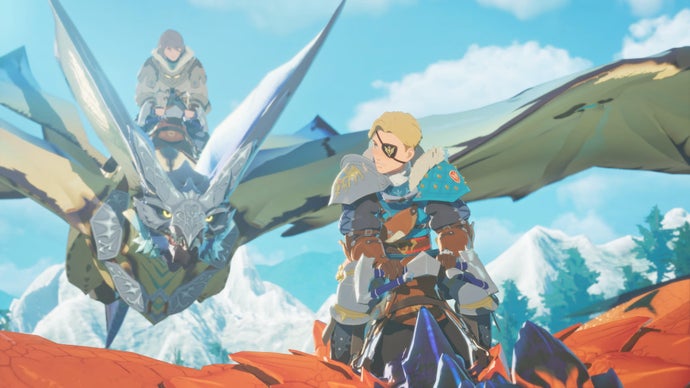
The landscape of Japanese gaming is shifting, and one of the bigger tremors is coming from Tencent, the massive Chinese conglomerate that has had its sights set on various developers in Japan. This time, it appears Tencent may be reconsidering its investments in studios like Marvelous, known for the beloved Monster Hunter Stories series and the long-running Rune Factory franchise.
The news has stirred up quite a bit of chatter in the gaming community, and you can sense the tension as developers and fans alike digest the implications of this potential change in strategy. Tencent's financial influence has given many studios a boost over the years, fostering growth and enabling enticing new projects. However, as reports emerge about Tencent possibly pulling back on its stakes in certain Japanese developers, including Marvelous, the implications for the studio’s future could be significant.
Marvelous has been a pivotal player in the Japanese gaming scene, especially with franchises that expertly blend RPG mechanics with farm simulation and monster collecting. Their unique approach has not only won them a dedicated fanbase but has also set them apart in an industry that often feels saturated with similar formulas. With the world gradually returning to something resembling normalcy, it begs the question: how well is Marvelous equipped to navigate these uncertain waters?
The relationship between Marvelous and Tencent has raised questions about the future strategic direction of the studio. If Tencent were to indeed divest from Marvelous, it could have repercussions not just for their ongoing projects but also for the health of the studio itself. Marvelous thrives on tightly knit community engagement, especially with titles like Rune Factory that embrace both storytelling and interactive farming mechanics. But without the backing of a financial heavyweight like Tencent, how might that dynamic shift?
Moreover, the gaming industry is notoriously volatile. Developers are always walking a difficult line between creativity and commercial viability. Marvelous, with its unique offerings and passionate fanbase, needs to tread carefully to maintain its identity in this competitive space. Relying solely on established franchises can be a double-edged sword; while they're beloved, they can also limit a studio's creative exploration. Thus, any uncertainty regarding investment could stifle innovation and, subsequently, their ability to deliver fresh experiences to the gaming community.
It’s worth noting that this isn’t just about Marvelous. Tencent’s pullback from the Japanese market may signal broader trends that could affect the country’s development landscape. It raises questions about how other studios might respond. Will they feel compelled to distance themselves from a giant that is reconsidering its commitments, or will they embrace the opportunity to innovate independently?
All this comes at a time when Japanese developers are at a crucial juncture. The successful integration of gameplay mechanics with elements that appeal to a global audience presents both an opportunity and a challenge. Marvelous, with its knack for creating engaging worlds and narratives, has the potential to lead this charge. But the stakes are higher than ever, and it remains to be seen how they will navigate this uncertain terrain without the perceived security of Tencent's support.
As we look ahead, it will be fascinating to watch how these developments unfold. Will Marvelous rise to meet the challenge, or will this be a defining moment that leads them to rethink their approach entirely? Only time will tell, but one thing is clear: the gaming world is always full of surprises, and this is just one of many potential turning points on a much larger horizon.