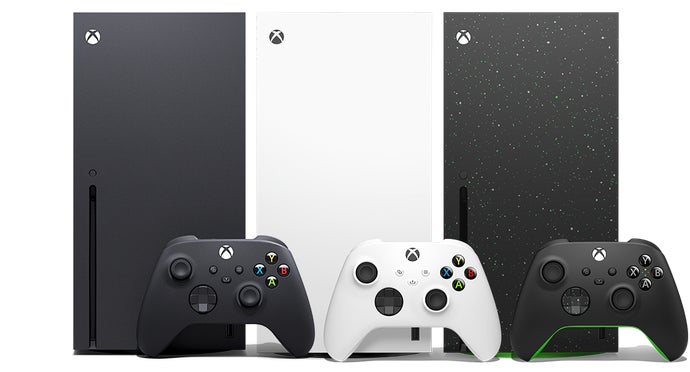
In a significant move that may stir both excitement and skepticism among gamers, Microsoft recently announced its decision to raise prices for Xbox consoles worldwide, set to take effect on August 2. This shift reflects the company’s response to ongoing supply chain issues and rising costs associated with storage and memory components. The 512 GB models will see a price hike of $100, while the 1TB version will escalate by $150. Interestingly, the 2TB variant won't just get a price adjustment; it will be withdrawn from the market entirely.
This decision comes at a time when many gamers are navigating the complexities of hardware availability and pricing. The 2TB model, which some saw as a long-awaited solution to growing storage needs, has now been pulled from the lineup. Microsoft hasn’t provided detailed reasons for this withdrawal beyond alluding to the components crisis, which has affected the tech industry on multiple fronts. In an environment where every gigabyte counts, especially with the ever-expanding digital game libraries, this move raises eyebrows.
With the current landscape characterized by rising inflation and fluctuating component costs, one can’t entirely fault Microsoft for attempting to protect its margins. However, the backlash from a vocal segment of the gaming community is likely inevitable. Gamers are accustomed to seeking the best value, and a price hike, particularly of this magnitude, may put considerable strain on their budgets. The increase also disrupts a previous perception of Xbox as a relatively affordable entry point into the next generation of gaming, especially compared to its direct competitors.
Interestingly, details on how this change will impact pricing in non-US markets remain unclear, leaving many international gamers in a state of uncertainty. For some, this lack of information only heightens the concern, as they may face inflated prices on top of added shipping and import fees. The response to this announcement is worth monitoring, as it could shape Microsoft’s strategies and possibly future console offerings.
The gaming landscape has always been a rollercoaster of surprise announcements and unforeseen challenges, but this price adjustment feels particularly poignant given the ongoing discussion about affordability in the industry. As gamers grapple with whether to shell out more cash for hardware during an economic crunch, Microsoft’s timing raises questions. Has the company fully considered the possible repercussions of alienating its customer base at a time when loyalty is critical?
While Microsoft justifies the increases with rising production costs, it’s crucial to remember the perspective of the gamers who fund these companies' ventures. With every console sale, players are not just purchasing a piece of technology; they are investing in an ecosystem filled with experiences, connections, and the community they cherish. As players weigh their options, it remains to be seen whether these price hikes will stifle enthusiasm for Xbox or simply become another hurdle that gamers learn to navigate.
Rest assured, the gaming community will be watching closely, as these decisions not only impact sales but could profoundly affect Microsoft’s standing in what has become an ever more competitive marketplace. Whether this adjustment is a strategic misstep or a necessary evil will certainly become a topic of debate in gaming circles as we gear up for the next chapter in the console wars.