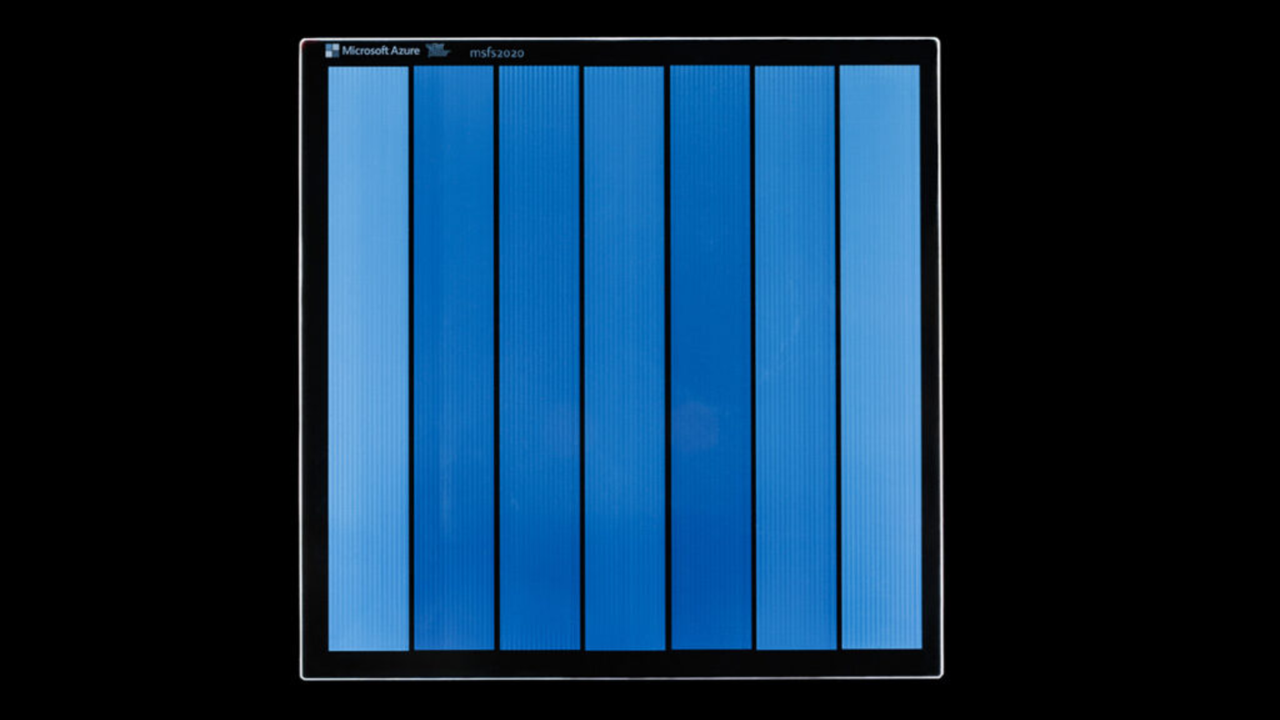
Microsoft is making waves in the tech world with its latest advancement in data storage. The company recently revealed that it has successfully developed a storage solution that utilizes glass—a material typically associated with kitchen cookware and oven doors. This innovative approach allows for data to be preserved for remarkably long periods, with a lifespan projected to reach up to 10,000 years.
The implications of this technology are impressive. As we generate more data than ever, the need for reliable and durable storage solutions has become paramount. Traditional methods face limitations in both longevity and environmental resilience. Microsoft’s glass-based storage not only promises durability but also offers a unique solution to data preservation challenges. Imagine being able to store critical information, whether it’s historical documents or future technological developments, with confidence that it will remain intact for millennia.
Clarity and transparency are hallmarks of this glass storage, which uses laser etching to encode data into the substance. This technique converts binary data into a series of dots, allowing for compact and highly efficient storage. It’s a marvel of modern engineering, merging advanced technology with a mundane material we often take for granted.
While the idea of storing data in glass may seem futuristic, it is a natural evolution in the quest for lasting data preservation. As Microsoft continues to refine and scale this innovative storage method, it opens up intriguing possibilities for industries that rely on secure and sustainable data management. From scientific research to cultural heritage, the potential applications are vast and varied.
In an age where data retention is crucial and sustainability is increasingly prioritized, Microsoft’s advancement could pave the way for a new standard in storage technology, blending practicality with a vision for the future.
Source: pcgamer.com