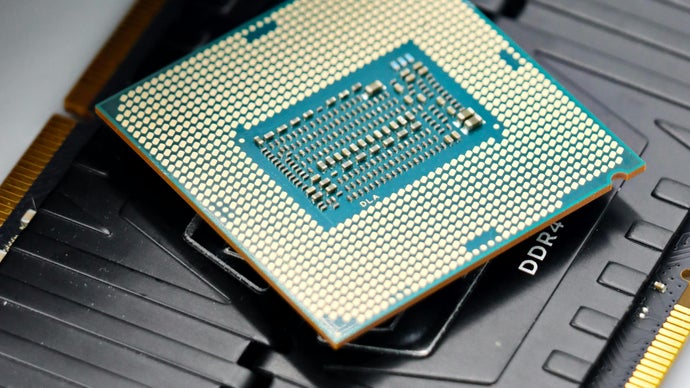
In a stark reflection of the ongoing challenges in the tech landscape, Micron’s CEO, Sanjay Mehrotra, has sounded the alarm on the AI-driven chip shortage that has been affecting industries worldwide, including gaming. Mehrotra made it clear that the shortage of RAM and NAND chips, crucial components in numerous devices from PCs to consoles, will persist throughout 2027. This bleak forecast underscores how deeply intertwined the gaming sector’s fate is with the larger tech ecosystem.
The surge in demand for memory products and semiconductors can largely be attributed to the meteoric rise of artificial intelligence applications. As businesses integrate AI into their operations, the need for more powerful and efficient data processing capabilities has skyrocketed. Unsurprisingly, this boon for AI development has not translated into relief for the gaming industry, which increasingly relies on these same components to enhance both gameplay experiences and graphics. Gamers are feeling the pinch as new console releases remain scarce on shelves and the overall availability of the latest hardware continues to lag.
Mehrotra emphasized that while the situation remains dire, there is a glimmer of hope, albeit a distant one. He predicts that conditions will “improve gradually” in 2028, suggesting a long wait for those eager to upgrade or expand their gaming rigs. The news has sparked conversations among industry insiders and consumers alike about how the prolonged shortage will shape gaming trends over the next few years.
The ramifications of this ongoing chip scarcity extend far beyond the mere availability of consoles and graphics cards. The struggle to source adequate components is likely to stifle innovation as companies may be forced to scale back ambitious projects. Developers are already grappling with production delays, which translates into longer waits for the next big title. The prospect of waiting until 2028 for meaningful improvement prompts a sense of urgency among gaming companies, as they must adapt to a reality where supply chain limitations are the new normal.
As we look toward future developments, one can’t help but wonder what the gaming landscape will look like in a few years. Will we see titles that push the boundaries of design and storytelling, or will the emphasis shift toward optimizing existing technology due to resource constraints? It's a complex balance, one that requires strategic thinking from developers and publishers fighting to keep pace with evolving consumer expectations.
In a climate where hype is often met with the hard truth of availability, gamers are learning not only about the importance of patience but also the necessity of adaptability. Collectively, they are navigating the uncertain waters created by supply chain disruptions while still finding joy and connection in the gaming experiences that are available.
It’s a challenging time for both the industry and its loyal audience, with the prospect of gradual improvement on the horizon. Nonetheless, 2028 seems a long way off for those who are itching to see the next generation of gaming technology and experiences. Until then, we'll have to keep our hopes tempered and our expectations realistic as we await a brighter, more chip-abundant future.