
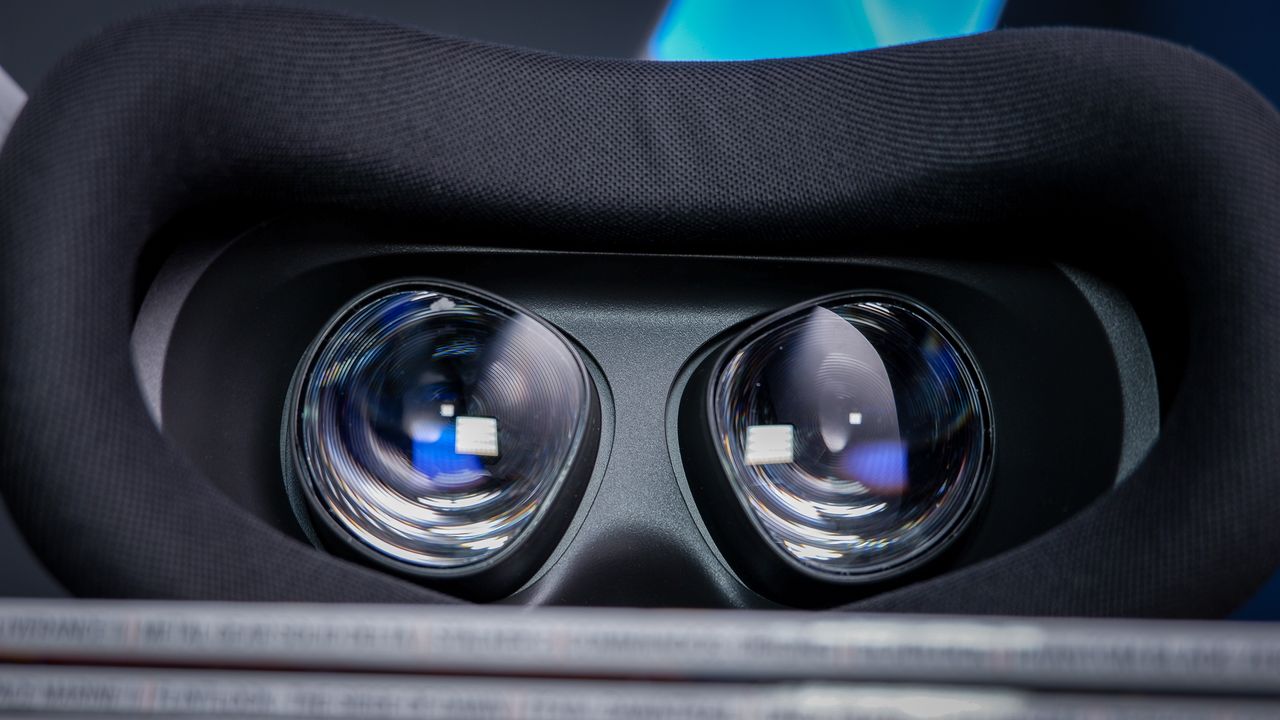
Meta is making strides to enhance the virtual reality experience with the introduction of FrameSync. As VR continues to push the boundaries of technology, particularly with the demands placed on the Quest headsets, this new feature seeks to address one of the biggest hurdles in the medium: motion sickness.
FrameSync focuses on optimizing frame timing, an area where timing and consistency can make a world of difference. When playing in a virtual environment, experiencing even minor delays between head movements and the resulting visuals can lead to discomfort for users. Meta’s innovation aims to smooth this out, providing a more seamless experience that feels more natural, which should translate to less nausea for players.
The development comes at a time when VR is steadily gaining traction, drawing in both casual gamers and more dedicated fans of the medium. By refining how frames are rendered and displayed, Meta is not just fixing a technical issue but enhancing the overall immersion that makes VR the unique experience it is.
This initiative aligns with the company’s broader goals of making VR more accessible and enjoyable. As the technology evolves, so too do the ways in which developers must think about user experience. With many hesitant to fully dive into VR due to fears of discomfort, FrameSync represents an important step forward in building trust and enthusiasm among potential users.
In the long run, improvements like these may help to further grow the VR landscape, enticing more people to explore virtual spaces without the burden of discomfort. As Meta continues to fine-tune its technology, it will be interesting to see how these changes resonate with the gaming community and impact the larger conversation around VR. For now, FrameSync stands out as a promising advancement in making virtual reality feel less like a rollercoaster and more like a natural extension of our own reality.
Source: pcgamer.com