In the realm of video games, few titles have left as indelible a mark as Star Wars: Knights of the Old Republic II. While its predecessor dazzled audiences with a straightforward Good vs. Evil narrative, the sequel took a bold and refreshing leap into the complex and often murky waters of morality. It peeled back the layers of the Star Wars universe, revealing shades of gray that challenged players to reevaluate their preconceptions of right and wrong.
One of the standout aspects of Knights of the Old Republic II is its nuanced portrayal of the Force. Instead of the familiar dichotomy between the Light Side and the Dark Side, this game presented a more intricate picture, urging players to engage with moral dilemmas that felt increasingly relevant as the story unfolded. Characters are neither wholly virtuous nor irredeemably villainous; they exist in a world brimming with ambiguity, where choices often have consequences that are not immediately clear. This narrative complexity invites players to reflect on the implications of their decisions, blurring the lines between heroism and villainy.
The game’s protagonist, the Exile, is emblematic of this moral ambiguity. Cast out from the Jedi Order, the Exile is haunted by the choices that led to the dissolution of the Republic. As players navigate through an array of character interactions and branching storylines, they find themselves wrestling with the fallout of their decisions. Will the Exile channel their Force powers toward self-interest or altruism? The path taken isn't merely about indulging in power fantasies; it’s about wrestling with the weight of one's actions. This depth is so effective that it elevates the Exile’s journey into something profoundly human.
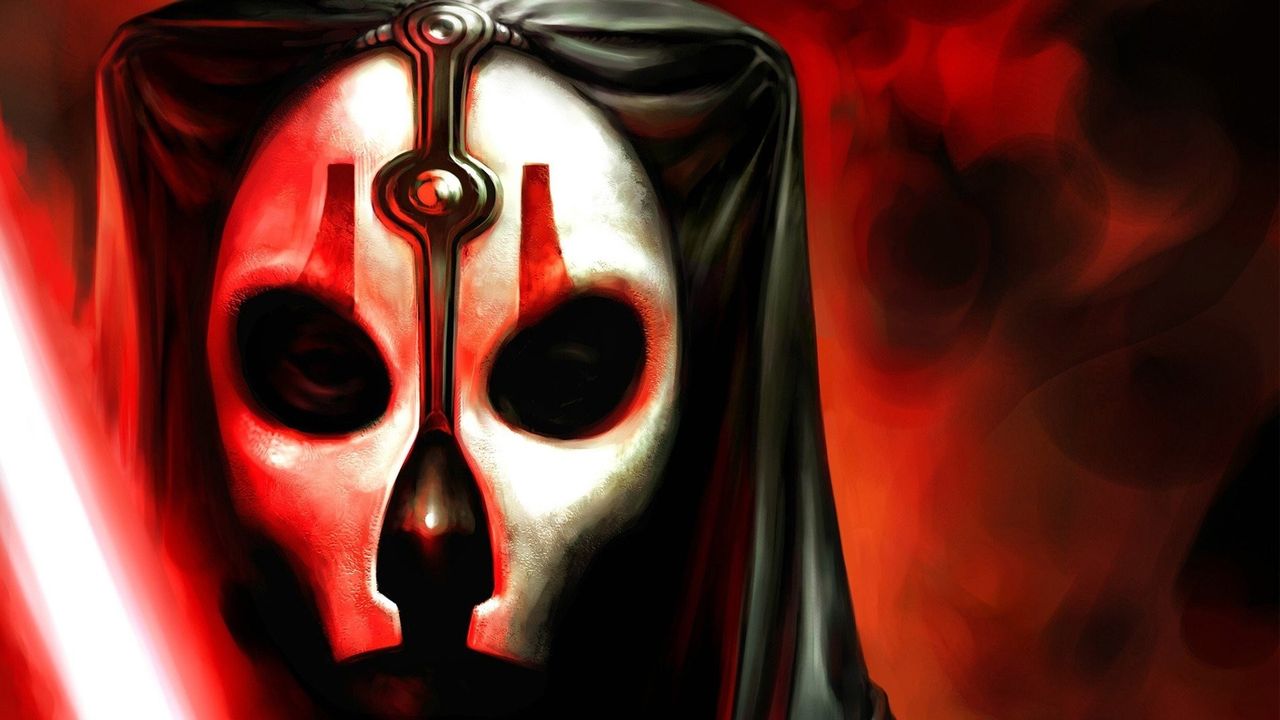
Supporting characters like Kreia further enhance this thematic richness. As the player’s mentor and a former Jedi, Kreia challenges the very foundations of the Force and the concepts of good and evil. Her philosophical musings cut deep, forcing players to confront uncomfortable truths about morality, attachment, and redemption. Each interaction with Kreia is laden with significance. She encourages the Exile to question the rigid moral frameworks established by Jedi teachings and encourages a more personal exploration of what it means to wield power.
Exploring the game’s various worlds, from the sprawling metropolis of Nar Shaddaa to the war-torn landscape of the Sith homeworld, adds layers to the overall experience. Each environment resonates with its own moral quandaries, shaping how the player perceives the larger narrative. Here, no one side has a monopoly on righteousness. The choices made on these worlds reveal the ongoing struggle between various factions, illuminating the gray areas that lay between the opposing forces.
Knights of the Old Republic II resonated with players not merely through its gameplay mechanics, but through its insistence on diving headfirst into the complexities of life. In a universe dominated by lightsaber duels and the eternal battle between Jedi and Sith, it carved out space for introspection and moral ambiguity.
While many games offer simplistic views of morality, the brilliance of this title lies in its willingness to embrace the uncomfortable. The echoes of its themes are still alive today, a testament to its innovative storytelling. It’s a journey that lingers long after the credits roll. For anyone traversing the galaxy far, far away, Knights of the Old Republic II stands out as a profound reminder that sometimes the most compelling stories emerge from the gray.