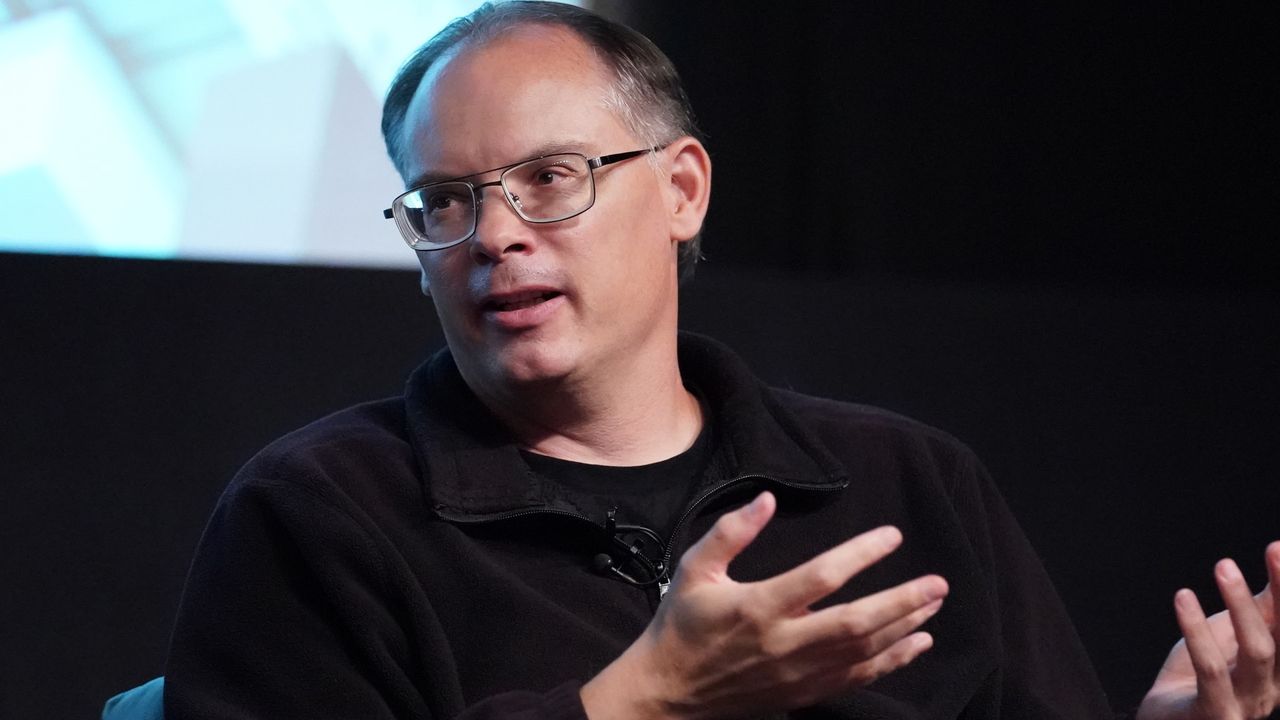
The state of the AAA gaming landscape is undeniably tumultuous, with the industry's most prominent figures openly grappling with its future. Epic Games CEO Tim Sweeney has made his stance clear: he believes the traditional AAA model is undergoing significant upheaval. As he puts it, it feels like a tidal wave is sweeping over the business, leaving many developers and creators at a crossroads.
In an era where the budget for blockbuster games often eclipses the GDP of small countries, it’s becoming increasingly difficult for studios to justify their investments. Games that once promised to be sure-fire hits have underperformed at the box office or led to widespread player disappointment, leaving developers questioning the sustainability of their high-stakes ventures. The stakes have never been higher, and this anxiety has rippled through the community, sparking conversations about innovation and adaptation.
Sweeney’s vision for the future centers around a “global ecosystem” of Unreal Engine games. He sees this as a way to transform the gaming landscape by creating interconnected experiences similar to what Roblox has accomplished. While Roblox may cater more to casual gamers, its playground has fostered a vibrant community where players and developers interact in meaningful ways. Sweeney’s proposal is ambitious; he aims to create a space where Unreal Engine becomes the backbone of a vast array of immersive games, offering endless opportunities for creators to build rich, engaging worlds.
What makes Sweeney's perspective truly interesting is his push for a more collaborative ecosystem within game development. He suggests that the focus should not solely rest on blockbuster releases but also on nurturing smaller games that can coexist and contribute to a larger tapestry of experiences. This shift could democratize game development, offering new voices and fresh ideas a platform, without the crushing financial pressure that often plagues larger studios.
There’s an inherent challenge, of course. The AAA industry has thrived on grand narratives, intricate graphics, and immersive gameplay mechanics, and stepping away from that formula isn’t easy, especially when major studios are sunk deep into lengthy development cycles. Yet, Sweeney’s emphasis on sustainability over spectacle could pave the way for an evolution that prioritizes creative freedom, innovation, and, ultimately, player engagement.
It’s also worth noting that the rise of indie games is reshaping how we look at success in the industry. Titles with smaller budgets but rich gameplay mechanics and heartfelt storytelling are resonating with players. They serve as compelling evidence that players are not just looking for shiny graphics but memorable experiences that leave a lasting impact. By harnessing the power of Unreal Engine, Sweeney envisions an environment where creativity is allowed to flourish, giving rise to diverse narratives that reflect a multitude of experiences.
As the industry grapples with these changes, one can’t help but feel a sense of cautious optimism. Perhaps Sweeney’s vision will not only salvage the faltering AAA model but also inspire a new generation of developers to push the boundaries of what gaming can be. The real question remains: will the major players in the industry embrace this shift, or cling to outdated formulas that no longer serve them? As the ripples of this tidal wave continue to unfold, it’s clear that the future of gaming is at a pivotal moment. The choice to innovate and adapt may just define the next chapter in the ever-evolving narrative of video games.