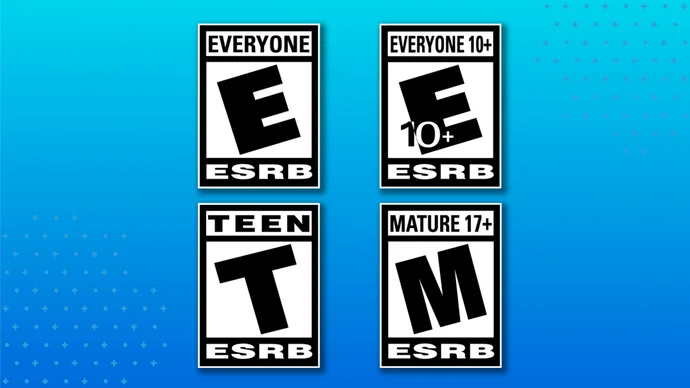
In a recent statement, the Entertainment Software Rating Board, or ESRB, clarified that it has no plans to adopt changes similar to those being implemented by PEGI in Europe regarding age ratings. While PEGI is moving to include factors such as paid random items in their evaluation of game content, the ESRB intends to maintain its current rating system without these considerations.
This decision sheds light on the ongoing debate about how best to inform consumers about the content of video games. The ESRB’s stance might lead to some confusion in the marketplace, especially as different regions adopt varied standards. As players and parents look for clear indicators of what games are appropriate for younger audiences, the divergence between the American and European systems could complicate matters.
Critics of the ESRB’s approach might argue that ignoring elements like loot boxes and microtransactions undercuts the relevance of its ratings in a landscape where these features can dramatically impact gameplay experiences. However, the board believes its existing framework adequately serves its purpose, focusing primarily on traditional content metrics like violence, language, and themes.
As the gaming landscape continues to evolve, conversations around age ratings will only grow more complex. For now, though, the ESRB remains steadfast in its traditional approach, leaving the door open for continued scrutiny as the industry adapts.
Source: eurogamer.net