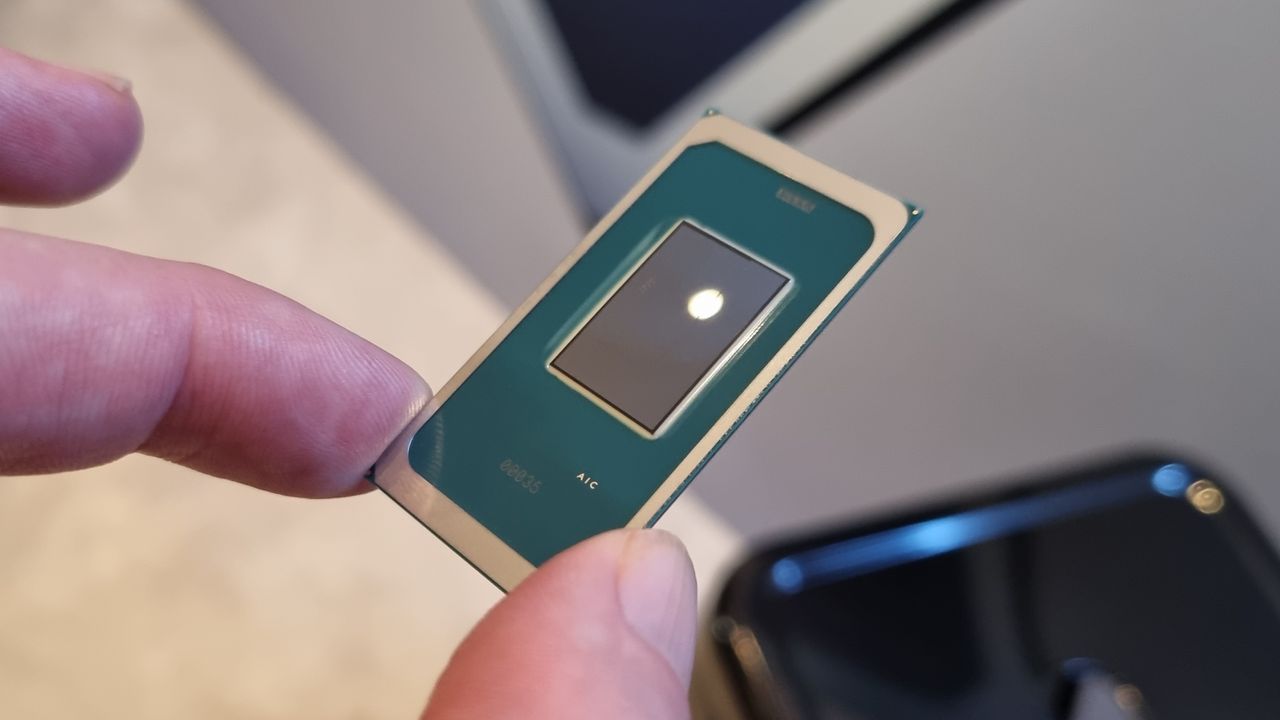
Intel has officially kicked off risk production of its new 18A chipmaking process, and the implications for the tech world, particularly in CPU performance, are significant. This move signals a notable step forward in Intel’s quest to reclaim its standing in the highly competitive semiconductor industry.
At the core of this innovative process is the promise that it can provide a 9% boost in CPU performance while maintaining the same power consumption. That’s a tantalizing prospect in an era where efficiency is paramount, especially as we see more demanding applications and games pushing hardware to its limits. This performance increase allows developers to push the boundaries of gaming and visualization, resulting in improved experiences for players without the need for bulkier power supplies or more expensive cooling solutions.
But there’s another intriguing aspect to Intel's 18A process that merits attention. Alternatively, it can deliver an impressive 18% reduction in power consumption for the same performance profile. As gamers have become increasingly aware of energy efficiency, this feature could tremendously appeal to eco-conscious consumers who want top-tier performance without an oversized carbon footprint. The ability to enjoy advanced graphics and seamless gameplay while being mindful of energy use could sway many buyers in Intel’s direction.
Intel's ambition with the 18A node doesn't just concern the numbers on a performance chart; it reflects a broader strategy to regain its technological edge. For years, the competition has pushed manufacturers into a race for smaller transistors and higher efficiency. As AMD and other companies ramped up their efforts, Intel found itself needing to adapt quickly. The new 18A process could be a vital part of that adaptation, allowing Intel not only to compete but also to potentially leapfrog ahead in certain areas.
Risk production, while still a cautious step, indicates that the silicon is close to being ready for mass manufacturing. This phase often involves refining the design and manufacturing processes, troubleshooting any issues, and gathering data for final adjustments before unleashing the new technology to manufacturers and consumers alike. It’s a nervous time, and success here is critical; if Intel gets this right, it could provide the backbone for an upcoming generation of processors that redefine performance metrics for PCs, laptops, and gaming consoles.
While the potential for performance gains is alluring, the true test will come when these chips find their way into real-world applications. We’re all too familiar with the promises of “next-gen” performance, often marred by bottlenecks in actual usage scenarios. Intel has poured resources into addressing this challenge, aiming for a triumphant revival that isn’t just about raw power but about actual usability.
As we move forward, Intel's 18A process could very well be the turning point not only for the company but for the market at large. The focus on achieving superior performance while prioritizing power efficiency has the potential to reshape the landscape of high-performance computing. As players gear up for the next wave of gaming experiences that will undoubtedly take advantage of this technology, all eyes will be on Intel to see if they can deliver on the exciting promise of the 18A. The gaming community is hungry for innovation, and if Intel plays its cards right, we might just witness the beginning of a new era in CPU performance.