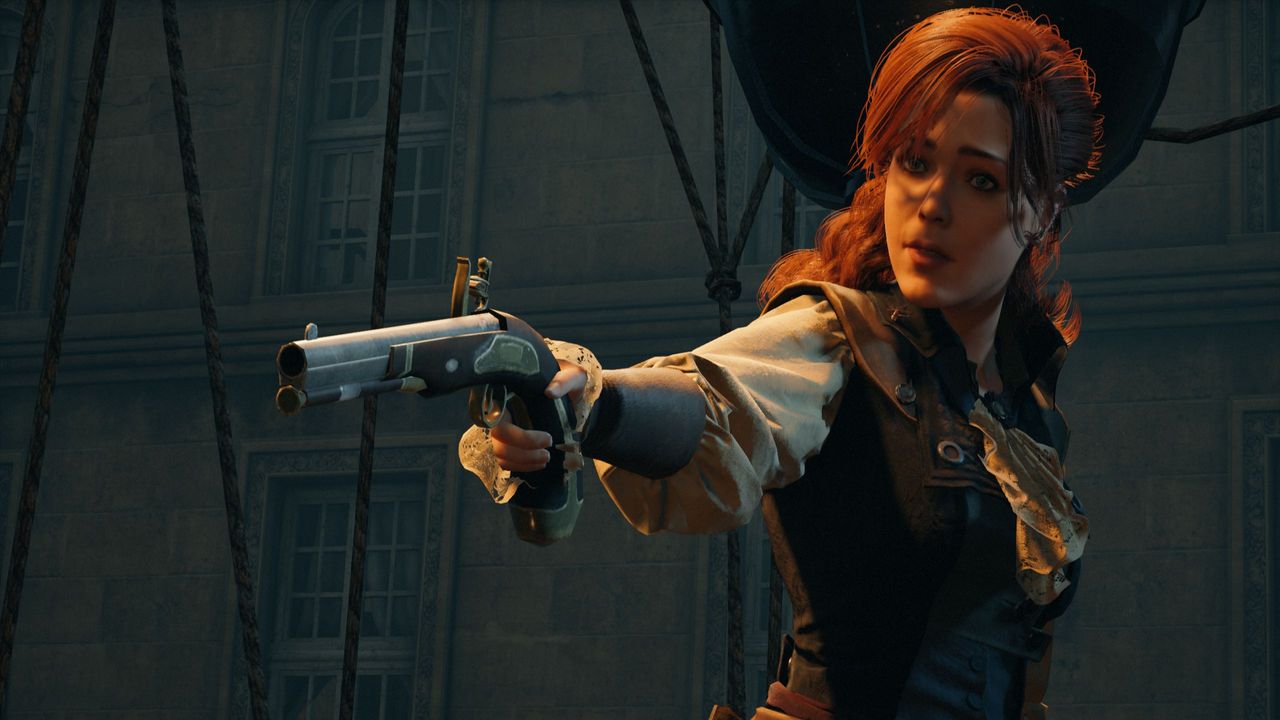
Assassin’s Creed Unity often finds itself in the crosshairs of criticism, but a closer look reveals a game that deserves more appreciation than it typically receives. Set against the tumultuous backdrop of the French Revolution, Unity delivers a narrative rich in historical context, blending personal stories with the broader social upheaval of the era.
At its core, Unity invites players to navigate a Paris that is both breathtaking and chaotic, showcasing the stunning visuals powered by the Anvil engine. This isn’t just a game about assassins; it’s a chance to explore one of history’s most pivotal moments. The art and architecture frame the gameplay, immersing players in a world so well-crafted that it’s easy to forget the challenges the game faced at launch.
The initial reception of Unity was marred by technical issues, with glitches and bugs detracting from the experience. Yet, over time, many players have come to recognize the depth that lies beneath these shortcomings. Unity introduced refined gameplay mechanics, such as enhanced parkour movement and a sophisticated combat system that feels both fluid and challenging. The cooperative multiplayer element was groundbreaking at the time, allowing friends to strategize and execute missions together, a feature that brought a new dimension to the franchise.
But beyond the mechanics and visuals, it’s the themes of Unity that resonate even more profoundly. The game tackles moral ambiguity, the shift in power dynamics, and the persistent struggle for justice. The protagonist, Arno Dorian, embodies this conflict, caught between personal vengeance and a larger quest for reform. As players traverse a Paris filled with both revolutionaries and royalists, every choice echoes the uncertainty and complexity of a nation in flux.
Unity may not have achieved the same iconic status as some of its predecessors, but it shines in its ambition and vision. It seeks to capture a moment when the ideals of freedom and equality clashed with the harsh realities of life in a revolutionary society. This is a game that isn’t just about stealth and combat; it compels players to engage with history and its impact on contemporary values.
In retrospect, Unity offers a nuanced portrayal of a historical period that continues to be relevant. Those willing to look past its initial flaws may find a game that not only entertains but also provokes thought. While it may have stumbled at the starting line, its journey through the annals of gaming history is a testament to resilience—both for the game itself and the players eager to appreciate its depth. In a world that still grapples with issues of justice and equity, visiting this chapter of French history through Arno’s eyes feels more pertinent than ever.
Source: pcgamer.com