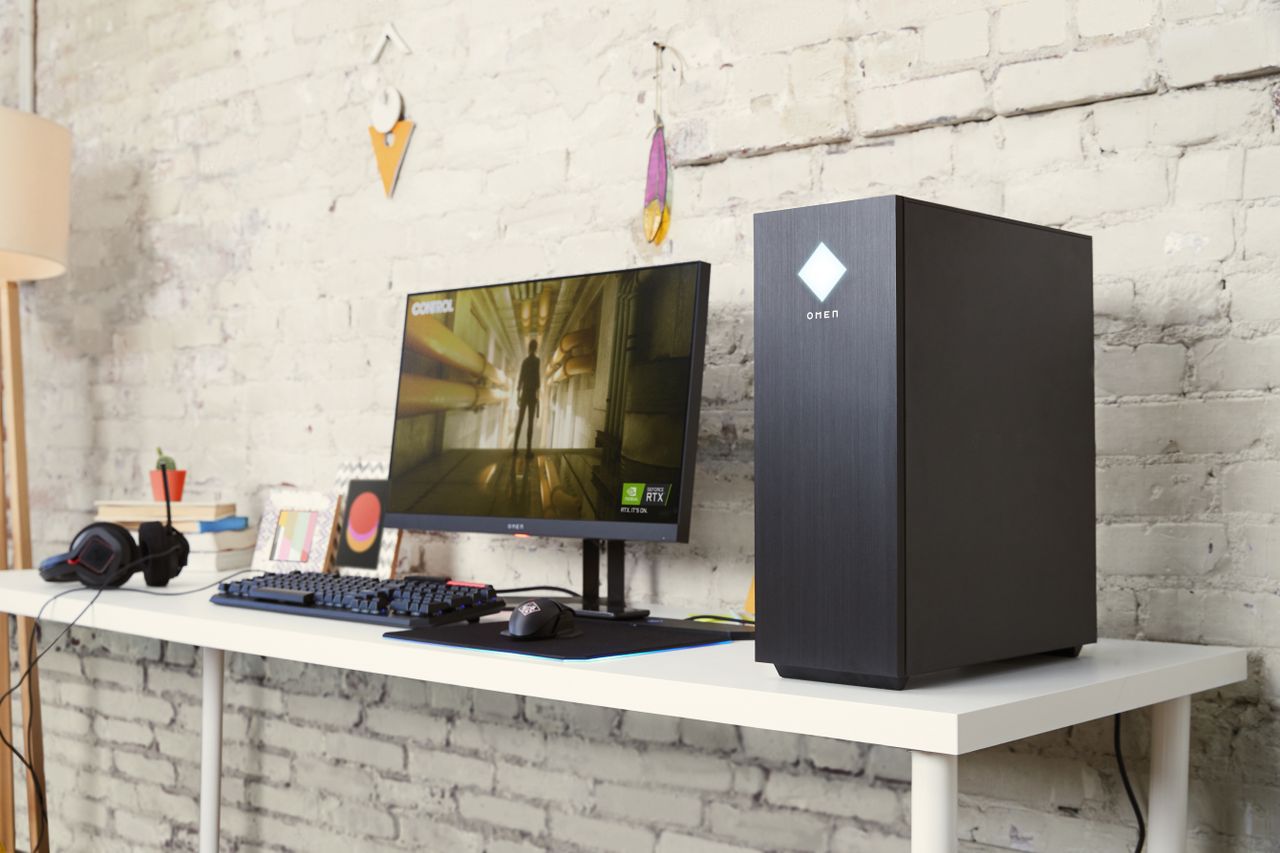
HP has recently revealed that the cost of memory components now accounts for approximately 35 percent of the total expense of its PCs, a figure that has doubled in just a year. This stark increase underscores the ongoing memory crisis that has left its mark on the tech industry, affecting manufacturers and consumers alike.
As demand for more powerful computing continues to surge, the need for robust memory options has grown, placing immense pressure on supply chains that are still recovering from disruptions. It isn’t just about numbers; this shift highlights a growing concern for manufacturers who must navigate these rising costs while maintaining competitive prices.
For consumers, this can mean higher prices on the shelves, as companies like HP have little choice but to pass on some of these costs. It’s a tricky balance they must strike, particularly in a market where budget-conscious buyers are looking for the best value. The implications of this trend extend beyond just PC manufacturers; gamers, content creators, and everyday users all feel the pinch when quality memory becomes a premium feature.
As we move forward, it’s clear that the ramifications of the memory crisis are still unfolding, shaping the landscape of personal computing in ways we are only beginning to understand. The industry will have to adapt, and it’ll be interesting to see how companies respond to these challenges in the coming months.
Source: pcgamer.com