In a world where seemingly mundane mechanics can tie into haunting narratives, Meaningless Random Numbers offers an intriguing blend of chance and consequence that tugs at the threads of morality in gaming. Here I find myself staring down a single die, contemplating the cost of my next roll. Each throw hits my virtual wallet, but a four brings me four dollars, leaving just enough room for a smirk. This is a simple equation, yet the stakes pulse beneath the surface, giving me pause. After all, I owe the devil a hefty sum, and if there’s one thing I know, it’s that debts in the world of gaming rarely vanish without consequences.
As I dip back into this bizarre economy of numbers and luck, the cost to roll the die creeps up. Yet here I am, rolling anyway, chasing the thrill of profit and the alluring whisper of experience points. They function like a siren’s call, promising not just financial gain but a sense of progress amid the chaos. Before long, I have the option to throw in another die, a decision that feels both triumphant and perilous. More dice mean more money, sure, but with that increase comes the burden of decision, the weight of choices made in the virtual dark.
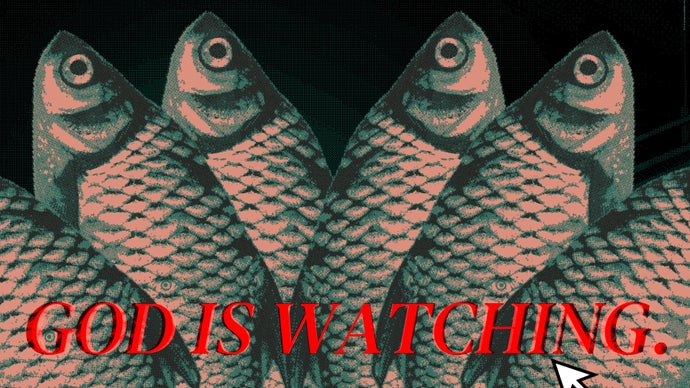
The game’s horror elements seep in slowly, almost insidiously. As I accumulate my wealth, I can't shake the feeling that someone, or something, is watching. In this incremental horror, God is keenly aware of my choices. This isn’t just about rolling dice anymore; it’s about the moral implications of my actions. Each roll feels like a gamble not just against the odds but against higher powers, too. The concept is familiar yet jarring, a classic story element reshaped into a gamer’s context.
From the moment I click to proceed, I grapple with the ramifications of spilling virtual blood. I find myself immersed in a landscape where my choices echo back, asking if the price of my greed is worth the splattering of morality. Killing another player yields rewards, but at what cost? This existential dread sits heavily on my shoulders. The game makes it abundantly clear that glory is not without its toll. I owe the devil money, and my desperate maneuvers to pay him back only draw me deeper into this abyss.
Yet, there’s a twisted thrill in that tension, a delightful push-pull that keeps me invested. I’m not simply playing a game but engaging with something larger, something that whispers of greater truths buried beneath layers of chance. Yes, I may be racking up dollars as I roll dice and make questionable choices, but there's an undercurrent that begs me to reflect. Am I just a player, or am I part of an elaborate moral tapestry?
In the end, all I can do is roll another die, watch the numbers flip and dance, and wonder if God is frowning upon me. But as I chase down that next payback to the devil, I can’t help but relish every step in this uniquely dark quest. Meaningless Random Numbers might initially seem like a simple game about luck and cash, but it’s a profound commentary on choices and consequences. The thrill lies not just in the rolls I take but in the knowledge that every decision brings me closer to either reward or ruin.