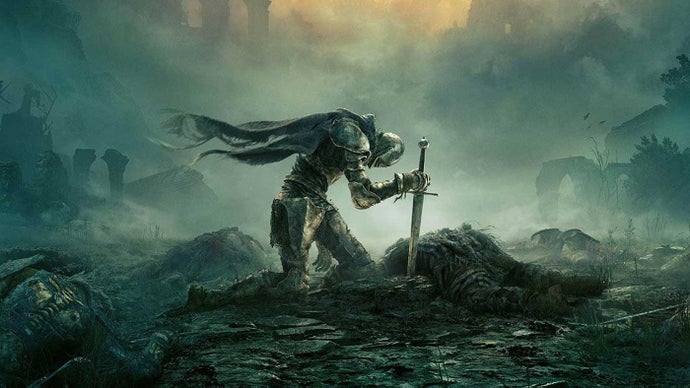
In a surprising turn of events, Takeshi Natsuno, the CEO of Kadokawa Corporation, has managed to keep his position despite facing significant pressure from activist investors. The controversy stems from the investor group's dissatisfaction with Kadokawa's approach to one of the gaming world’s most talked-about titles in recent memory, Elden Ring. When a game captures the imagination and enthusiasm of players like this one has, the stakes rise, and understandably, so do expectations.
For those unfamiliar with the implications of such shareholder activism, it often centers around a company’s strategic directions and its overall performance. This particular scenario plays out in a gaming industry where success can be fleeting and the competition relentlessly fierce. Elden Ring, a project many viewed as emblematic of FromSoftware’s commitment to narrative depth and world-building, has set a high bar, and some investors felt that Kadokawa's handling of its release and associated aftermath wasn’t quite up to the mark. When financial performance and a beloved title intersect, tensions can quickly escalate.
In their push to replace Natsuno, the activist investors highlighted concerns about not just Elden Ring, but the larger strategy of the company as it relates to IP management and marketing in a rapidly evolving gaming landscape. This type of investor scrutiny isn’t unique to the gaming sector; many industries grapple with similar dynamics. However, it stirs particular interest in a realm that thrives on creativity and innovation. Coming off the success of Elden Ring, there’s an irony in questioning leadership during a period when the company should ostensibly be riding high on that wave of success.
Interestingly, Natsuno will remain at the helm, signaling a vote of confidence from the board and perhaps suggesting a broader belief in the company’s long-term vision. His leadership has been pivotal in steering Kadokawa into a solid position where it not only supports game development but also ventures into various multimedia avenues. Balancing the ambitious narratives of FromSoftware with the hard realities of financial performance is no easy task, especially when passionate fans and stakeholders are involved.
For many in the gaming community, this situation may feel like a clash between corporate strategy and artistic integrity. While determining what constitutes a successful game release can often seem subjective, the financial realities imposed by shareholders cannot be overlooked. In this context, Natsuno’s retention could be seen as a signal that Kadokawa values its creative heritage enough to tolerate some turbulence. After all, the industry is littered with tales of companies prioritizing immediate financial gain over long-term artistic endeavors, often to their detriment.
As Kadokawa moves forward, it will be interesting to see how they navigate the choppy waters of investor relations while still pushing the envelope in game development. The stakes are undeniably high, and players are watching closely. This situation serves as a reminder that even in the realm of epic quests and fantastical worlds, the business side of gaming can be just as dramatic as the stories told within those games. As the dust settles, both fans and investors alike will be keen to see if Natsuno can reconcile the artistic aspirations of FromSoftware with the commercial expectations that come with success. The gaming community thrives on change, and this is just another chapter in a story that feels far from over.