A recent commentary from a former manager at Eidos-Montréal sheds light on a transformation that many within the gaming industry have sensed for years. In today’s landscape, characterized by striking technological advancements and ever-growing market pressures, the passion-driven essence that once ignited the industry seems to have diminished, replaced by a more data-oriented mentality. This shift, as articulated by the former manager, highlights a critical evolution in leadership style that raises concerns about the long-term impact on game development and creativity.
Fifteen years ago, the decision-making scene was populated by individuals who were deeply passionate about gaming. They were often gamers themselves, driven not just by the desire for profit but by a commitment to craft experiences that resonated with players on an emotional level. They understood the heart of a good game, the intricate balance of narrative, gameplay, and artistry. However, the new wave of industry leaders appears to have traded that creative spark for spreadsheets and spreadsheets filled with numbers, prioritizing analytics over artistic vision.
This corporate transformation can be traced back to the broader evolution of the industry, especially with the rise of mobile gaming and the never-ending pursuit of market trends. It’s not unusual in the corporate atmosphere to focus on growth metrics and user engagement statistics. Yet, when this kind of thinking permeates the creative process, it risks stifling innovation. Games that were once experiments in storytelling and gameplay can start to feel like products tailored to fit a particular demographic, stripped of the unique visions that once defined them.
Consider franchises that have evolved from passion-infused origins into what can sometimes feel like endless sequels or reboots. Where once we experienced groundbreaking evolutions or innovative storytelling, we now often see minor adjustments meant mainly to appease shareholder expectations. The concern is palpable—if game development continues down this path, will we find ourselves in a landscape dominated by formulaic releases devoid of the creativity that used to set the industry apart?
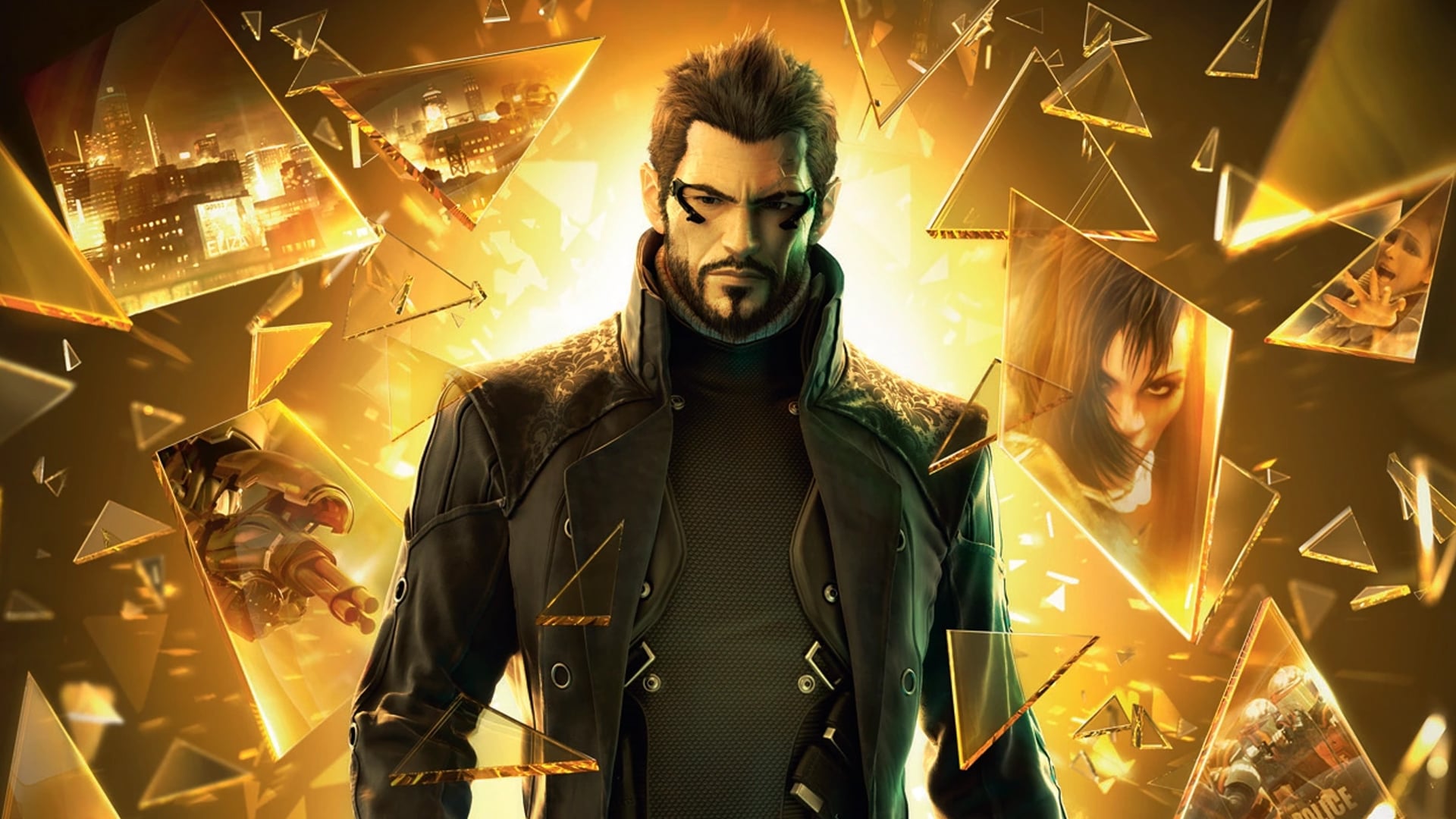
The former Eidos-Montréal manager's insight reflects a sentiment that many gamers might share. As titles like the original Deus Ex and Tomb Raider emerged at a time when creativity was not only welcomed but necessary, players now crave more than just polished visuals and tight mechanics. They seek stories that resonate, characters that feel real, and worlds that captivate the imagination. When dollar signs dictate creative choices, the real essence of gaming is at risk.
Of course, not all hope is lost. There remains a vibrant indie scene and pockets of innovative thinkers who defy the corporate trend, creating games that speak to diverse audiences with authenticity and passion. Yet, as the industry wrestles with its dual identity—art and commerce—the challenge becomes finding a way to marry these two worlds effectively.
As we continue to watch this industry evolve, we must ask ourselves what we value most in gaming. Is it merely the numbers, or do we yearn for that spark of creativity that moves us, challenging us, and often allowing us to escape reality? The discourse surrounding leadership in this space is more crucial than ever. If we are to reclaim that passion-driven DNA, it may take more than just voices of dissent. The industry needs a renaissance of inspiration, a return to that initial wonder that first brought so many of us to gaming. In an age dominated by analytics, here's hoping the passion may find a way back into the hearts of those crafting our virtual experiences.