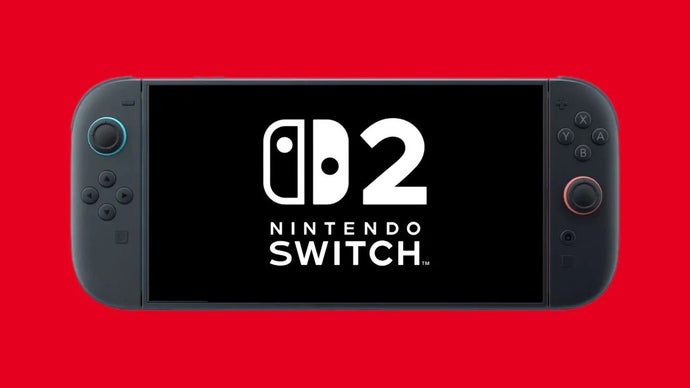
In a notable turn of events, recent data from Circana reveals that the U.S. physical games market has experienced its first year-on-year spending increase since 2009, with the much-discussed Nintendo Switch 2 playing a pivotal role in this revival. It’s a significant milestone for an industry that has been grappling with declining physical sales year after year, a trend that many believed was irreversible in this digital age.
The resurgence is particularly striking when viewed against the backdrop of the past decade. As gaming has increasingly migrated online, physical game sales have steadily dwindled. Yet, here we are, witnessing a turnaround that underscores the enduring appeal of physical media—especially when bundled with a highly anticipated new console, like the Switch 2.
Nintendo has always had a knack for reinvigorating the gaming landscape. The original Switch, with its unique hybrid design allowing for both handheld and traditional gaming, clearly won over countless players. Fans have been clamoring for the next iteration since its predecessor surpassed expectations. The anticipation surrounding the Switch 2 was palpable, and it seems to have translated into tangible sales figures as eager gamers flocked to stores both in-person and online.
It’s not merely about nostalgic attachment to physical copies, either. The Switch's impressive lineup of exclusive titles continues to expand, creating compelling reasons for consumers to venture out and make purchases. Titles like the latest entries in iconic franchises have proven that despite the rise of digital platforms, the allure of owning a physical game remains strong. Collectors, completionists, and even casual gamers feel a sense of satisfaction when they can add tangible items to their gaming libraries.
Beyond just hardware sales, this upswing may hint at changing consumer behavior. The trend toward digital gaming is still prominent, but perhaps players are seeking a balance; something tactile to accompany their digital purchases. For many, a physical game carries nostalgia and the thrill of unboxing something new—an experience that purchasing a download simply cannot replicate.
The timing of this increase could not be more apt, coming at a moment when various factors—including supply chain improvements—are facilitating smoother transitions for companies to produce and distribute physical products. Additionally, the ongoing relationship between the console and its software is critical. The Switch 2's ability to tap into emerging gaming trends while still respecting what made its predecessor successful plays into this rejuvenated market.
While some may remain skeptical about the sustainability of this growth, it certainly serves as a wake-up call for industry stakeholders. Nintendo's achievement is not merely a win for the company; it sets a benchmark and a sense of hope for physical gaming enthusiasts and retailers alike. Cumulatively, these developments suggest that the landscape might be capable of accommodating both digital and physical formats, allowing them to exist symbiotically rather than at odds.
As we look ahead, the question arises—will this trend continue beyond the initial excitement of the Switch 2? The factors at play suggest that while the market may fluctuate, the foundational love for gaming in its various forms remains intact. Ultimately, this resurgence of physical game spending is an encouraging sign that the industry isn’t just surviving, but thriving in unexpected ways. The physical game market, once thought to be on the brink of extinction, has shown resilience worth celebrating.