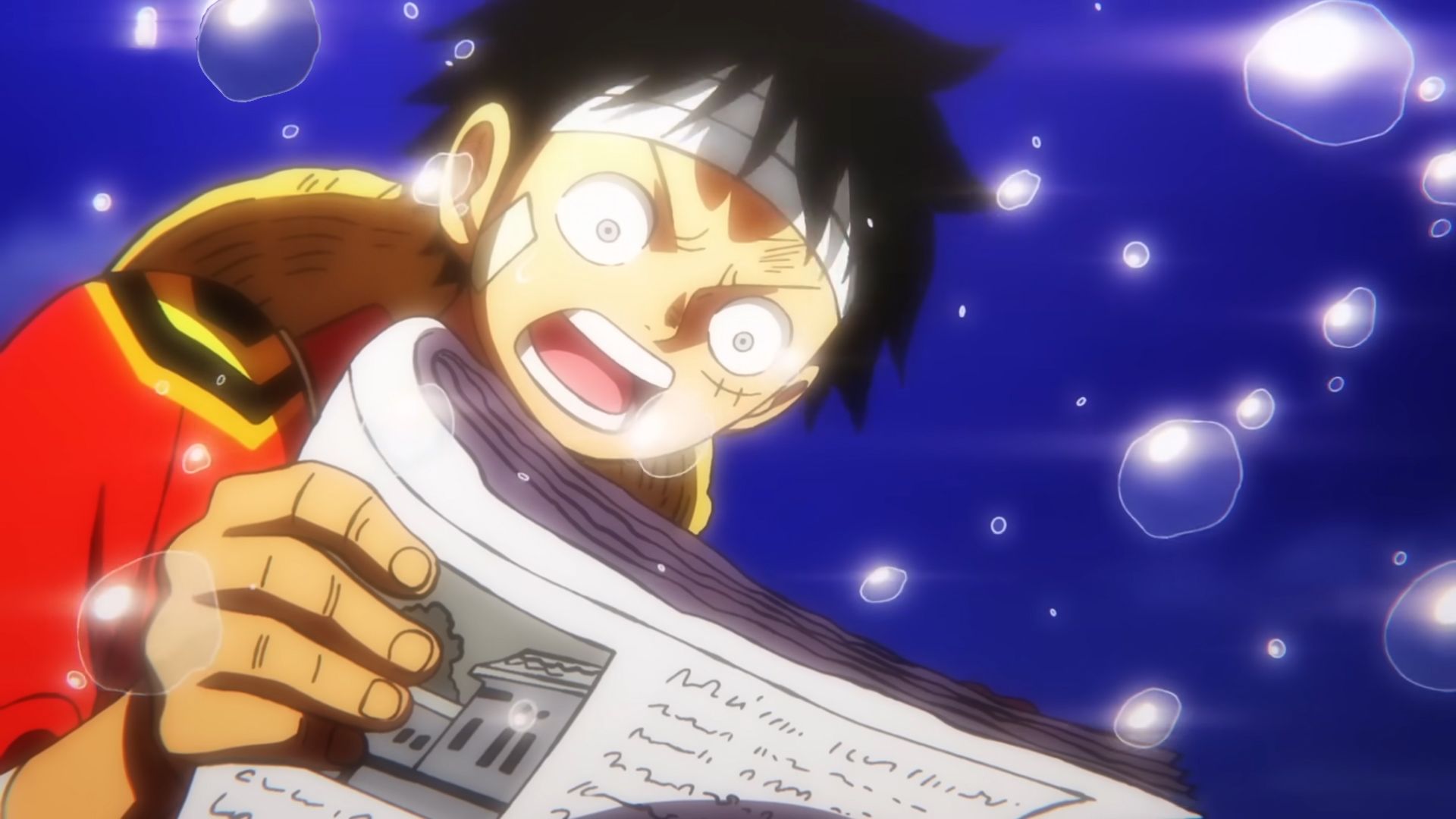
In a progressive move that could reshape the landscape of the anime and manga industries, the Japanese government has announced a substantial round of subsidies designed to bolster international sales and combat piracy. This initiative, targeting 15 major companies, is a clear recognition of the challenges these traditional forms of entertainment face in an increasingly globalized and tech-driven market.
The focus here is on the exciting potential of artificial intelligence to enhance translation processes. Many fans around the world are keen to enjoy content in their native languages, and for companies like Toei Animation and Shueisha, quality translations are key to tapping into that eager audience. However, the current translation systems, often manual and slow, struggle to keep up with the rapid pace of content creation. By investing in AI translation technologies, the government aims not only to improve accessibility for international fans but also to streamline production processes, allowing companies to deliver localized content faster and more efficiently.
Piracy has long plagued the anime and manga industries, posing a significant threat to revenue streams. With so many fans turning to unofficial channels to access their favorite series, the need for swift and professional translations has never been more critical. Subsidizing the development of AI-driven translation tools could bolster the industry’s capacity to compete with the ease of this piracy. By providing immediate access to high-quality, official translations, companies can make a stronger case for why fans should support them rather than resorting to illegal methods.
This governmental initiative comes at a time when the appeal of anime and manga continues to surge globally. Streaming platforms have democratized access to Japanese content, bringing long-standing favorites and fresh titles right into the living rooms of millions. With this burgeoning international audience, the potential for increased sales is enormous. Companies are now finding themselves competing not just for viewers, but for the ability to engage with those viewers in a meaningful way.
Moreover, the fusion of cutting-edge technology with creativity is an exciting prospect. Successful implementation of AI translations could free up human translators to focus on more nuanced elements of localization—capturing cultural subtleties and contextual meanings that machines might miss. The collaboration between technology and artistry hints at a future where stories can transcend language barriers more effectively than ever before.
As this initiative unfolds, it is essential to keep an eye on how these subsidies will influence content quality and fan engagement. The aim is undoubtedly to usher in a new era of accessibility, but the execution will be critical. Fans will be watching closely, hoping for a seamless integration of AI translations that respects and honors the original works.
In an era marked by rapid technological advances, Japan's readiness to embrace artificial intelligence in a field so intertwined with its cultural identity speaks volumes. This strategic approach not only has the potential to uplift the anime and manga industries but may well set a precedent for other sectors grappling with similar challenges. As the global demand for diverse content continues to rise, the marriage of tradition and innovation could prove to be the catalyst that takes anime and manga to even greater heights on the world stage. Moving forward, it’s clear that this is just the beginning of an exciting journey for Japanese media.