In the landscape of first-person shooters, we often look to the big names that dominate the scene. Titles like Doom and Quake paved the way for countless others, but the terrain of gaming history is rich with lesser-known gems that deserve recognition. One such title is Chasm: The Rift, a Ukrainian game that, while overshadowed by its American counterparts, marked a significant development in the genre a full decade before the release of Stalker.
Despite its origins as a Quake clone, Chasm: The Rift ventured beyond mere imitation. It emerged in 1997, during a time when the first-person shooter was evolving rapidly in the West. Yet, this game was crafted in the heart of Eastern Europe, and it showcased a unique approach that blended traditional FPS mechanics with intriguing design choices. Players found themselves navigating environments that felt expansive and engaging, rather than the often linear levels of its rivals.
What set Chasm apart was its ambition. The game introduced a variety of gameplay elements that, at the time, were quite innovative. Not only did it offer a selection of weaponry typical of the FPS genre, but it also featured a level of verticality in its map design that encouraged exploration. This wasn’t just a straightforward run and gun experience; players had to think about how to traverse the terrain, utilizing vertical space in ways that many contemporary titles hadn’t embraced yet.
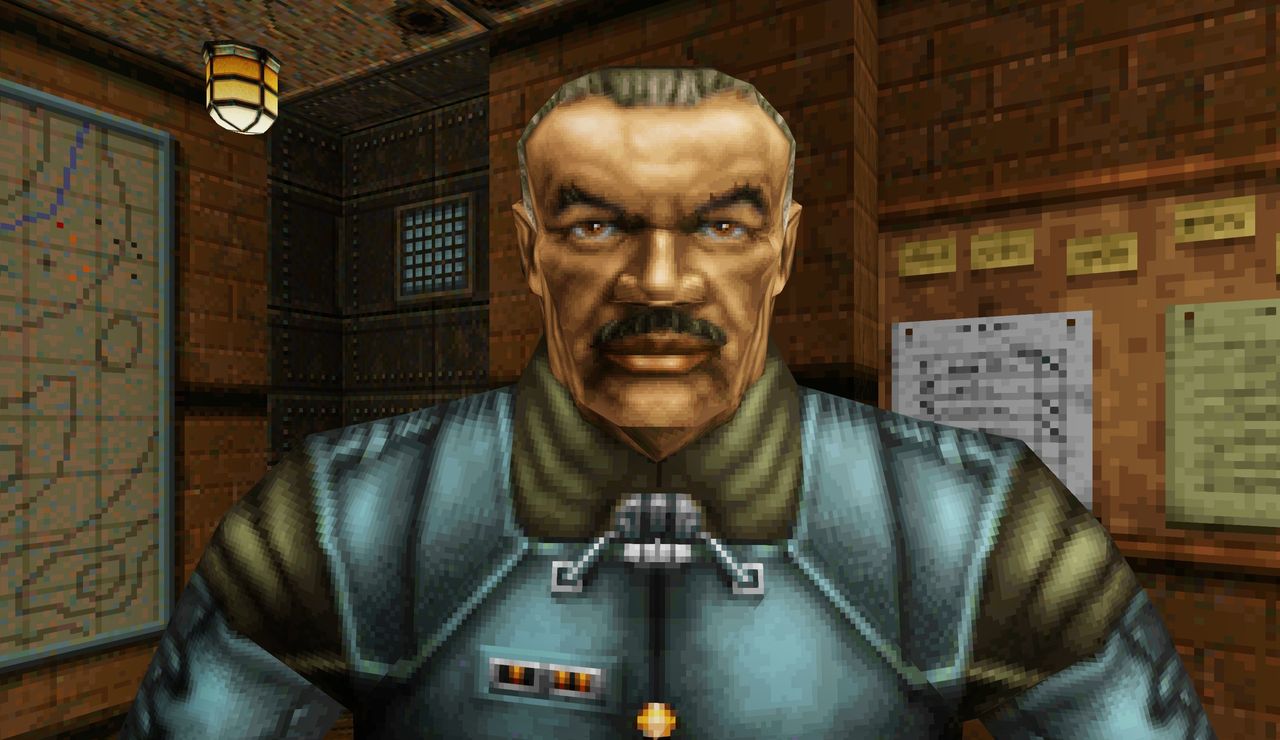
As players delved into its eerie, atmospheric world, they encountered a blend of horror and action that resonated long after gameplay sessions. The game’s visual style, while primitive by today’s standards, still managed to create a captivating ambience. That dark and moody aesthetic, combined with gameplay that required quick reflexes and strategic thinking, laid some early groundwork for what would become staples of the genre.
Chasm: The Rift also offered a multiplayer mode that allowed players to face off against each other—a component that only amplified the excitement among early FPS fans. Before the concept of competitive online play became a norm, this game provided a taste of what could be achieved in shared environments, fostering community and rivalry.
In hindsight, it’s easy to dismiss Chasm as just another title lost to time, overshadowed by the flashier entries of the late ’90s. However, its legacy is more substantial than that. It stands as a testament to the creative spirit flourishing in Ukraine during a tumultuous period. While many might not recognize this title today, the impact it had on the development of first-person shooters cannot be underestimated. Just as Stalker would push boundaries years later, Chasm: The Rift was quietly paving the way, breaking new ground long before shooters would evolve into the complex, immersive experiences we see now.
Source: pcgamer.com