
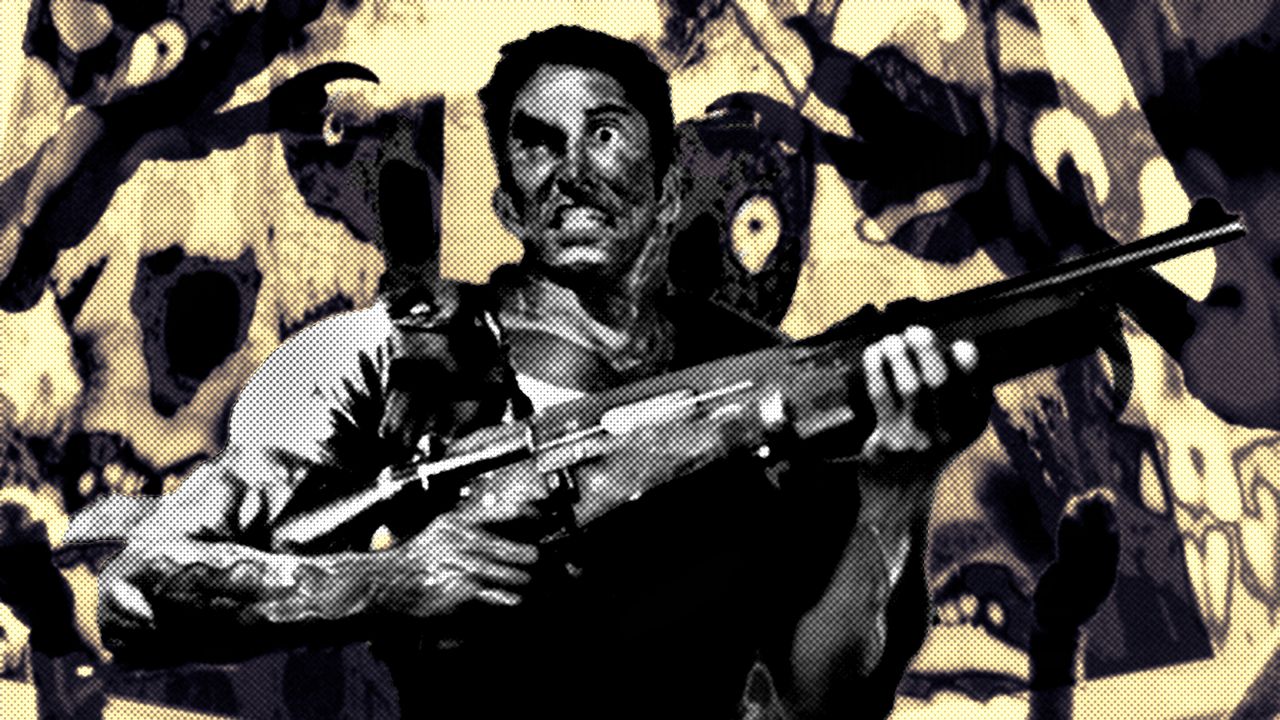
In a recent discussion, Paul W.S. Anderson, the director behind the original Resident Evil film, offered some insight into his creative approach to adapting the beloved video game franchise for the big screen. He emphasized that his intention was never to recreate the game’s narrative verbatim. Instead, he aimed to capture the essence and atmosphere that made Resident Evil resonate with players and fans.
Anderson expressed a fondness for the original game, not just for its gameplay but for the cinematic influences that shaped it. He noted that many elements of Resident Evil are reminiscent of the horror films he grew up with, which ultimately guided his vision for the movie. The challenge, he argued, was in translating the game’s iconic elements into a film that could stand on its own. He highlighted a critical aspect of storytelling: the importance of suspense. By divulging too much about the characters’ fates—akin to someone revealing which characters survive in a classic like Alien—it would strip away the tension and surprise that keep audiences on the edge of their seats.
This perspective reflects a broader understanding of narrative adaptation. While some purists may yearn for a strict loyalty to the source material, Anderson’s take suggests that a successful film thrives on its unique interpretations. His goal was to craft a thrilling experience, not merely to follow a script dictated by the game. With plenty of action and horror elements at play, the 2002 film paved its own path, reshaping the Resident Evil franchise in both cinema and gaming.
Ultimately, Anderson’s reflections on the film offer a reminder of the complexities involved in adapting beloved stories. It’s a balancing act between honoring the original and creating something fresh, and in the case of Resident Evil, Anderson seems confident he struck the right chord, despite the mixed reviews that followed its release.
Source: pcgamer.com