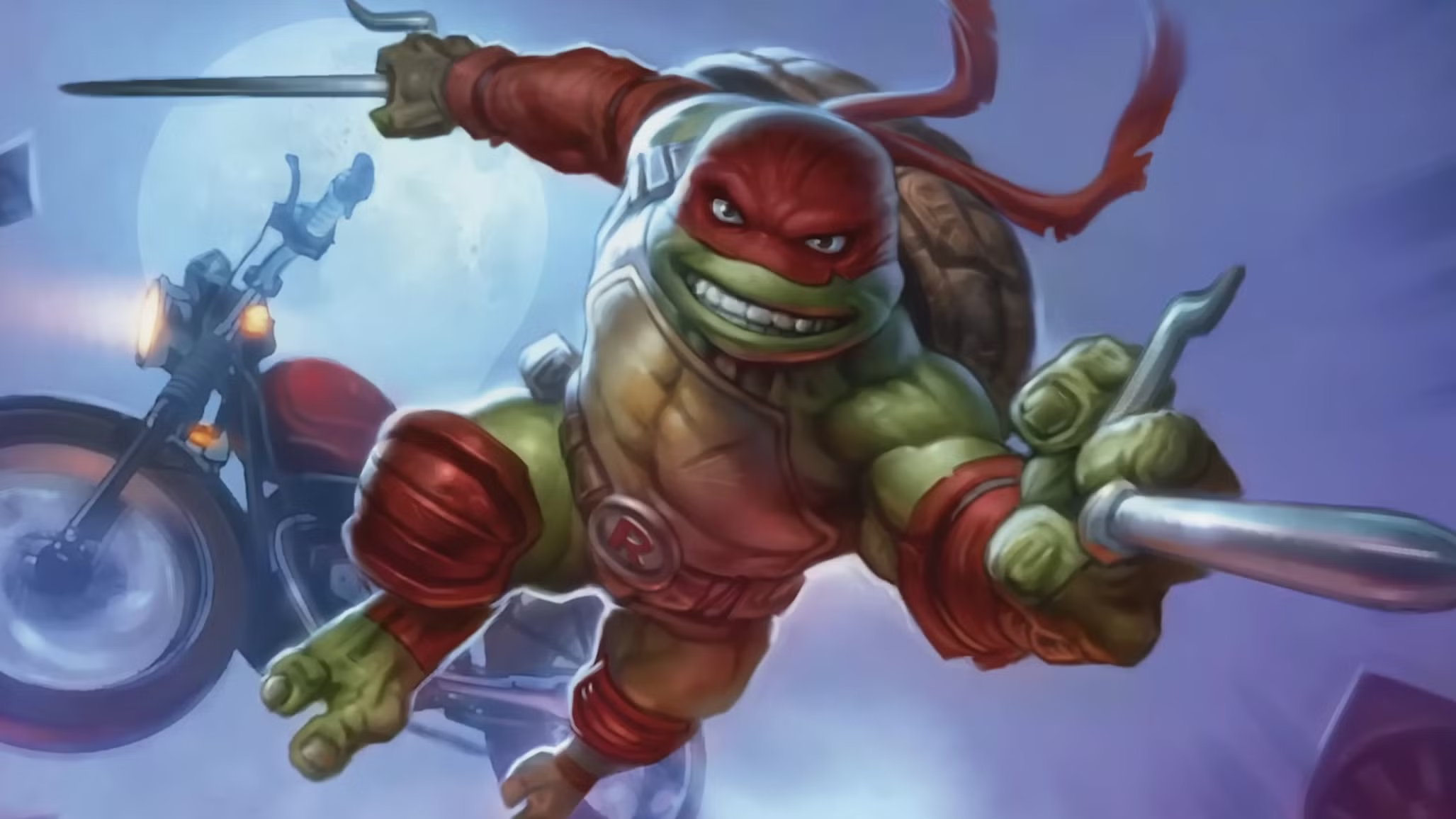
In a move that has stirred the pot among fans, Wizards of the Coast has decided to swap out Raphael’s iconic sais for a jitte in their latest Teenage Mutant Ninja Turtles crossover within Magic: The Gathering. For those who might not be too familiar with the jitte, it’s a traditional Japanese weapon that has its own unique flair but lacks the distinct flavor of Raphael’s preferred fighting tools.
So why make this change at all? At first glance, it seems like a puzzling decision, especially considering how much fans treasure the original characters and their weapons. Raphael’s sais are not just weapons; they are a part of his identity, a symbol of his fiery and rebellious spirit. The jitte, while functional, conjures a different set of associations that may not resonate with long-time TMNT aficionados.
Wizards often faces a tricky balancing act when adapting beloved franchises. They need to stay true to the essence of the characters while also ensuring that the mechanics of the game fit seamlessly within Magic’s framework. The jitte brings new gameplay mechanics that could potentially offer exciting strategic opportunities, but that doesn’t necessarily ease the discomfort of fans who feel a deep connection to the character’s original armaments.
In many ways, this choice showcases the ongoing evolution of gaming, where nostalgia constantly collides with innovation. For some players, the weapon change may provide a fresh perspective, inviting them to rethink Raphael’s fighting style within the mechanics of Magic. Yet for others, it might feel like a missed opportunity to honor the legacy that has defined the character for decades.
As the Magic: The Gathering and TMNT crossover continues to unfold, it will be interesting to see how this alteration impacts gameplay experience and player sentiment. With such a rich tapestry of characters and weapons at their disposal, fans can only hope that Wizards finds a way to celebrate the rich heritage of these beloved heroes while still pushing the boundaries of what’s possible in gameplay.
Source: polygon.com