
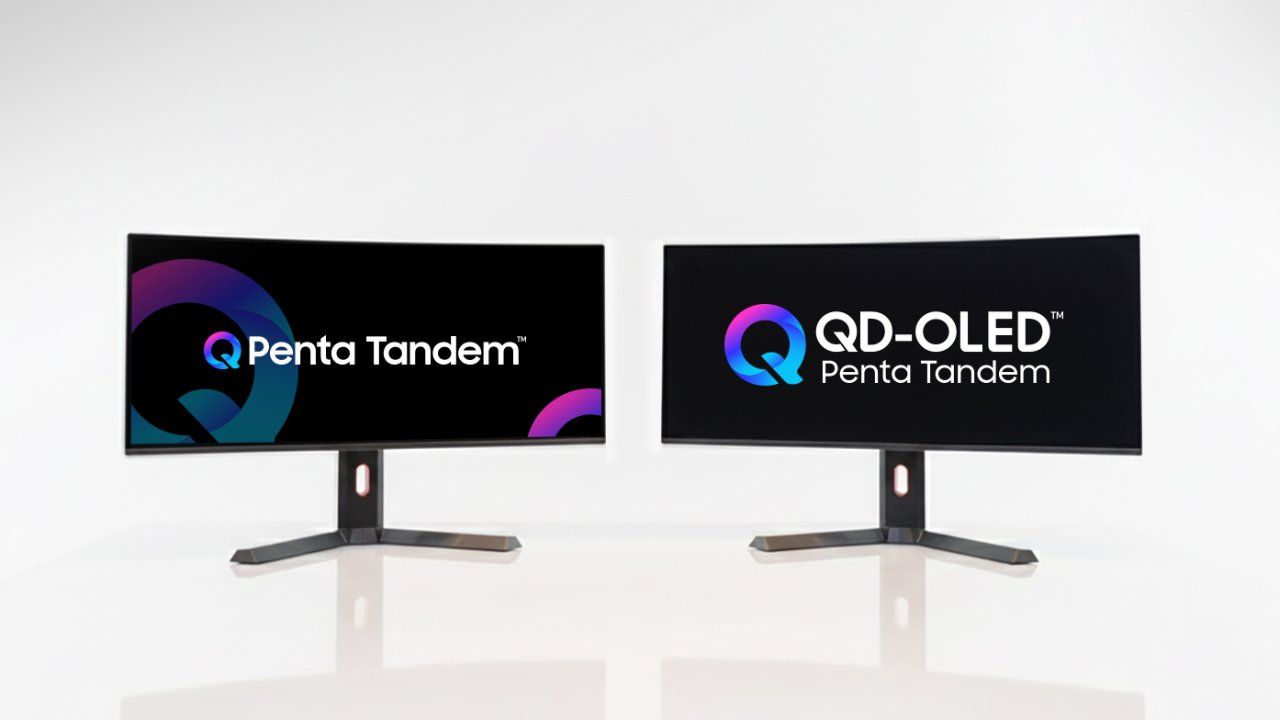
Samsung has just lifted the curtain on its latest innovation: the Penta Tandem QD-OLED technology, and if you’re expecting clarity in naming or understanding, prepare for some head-scratching moments. This new panel design aims to deliver brighter visuals and improved durability, but sifting through the technical jargon can feel like navigating a maze.
At its core, Penta Tandem refers to a specific configuration that utilizes multiple layers of organic light-emitting diodes. The company claims that this five-layer setup significantly boosts brightness while enhancing longevity, a crucial factor for gamers who crave vibrant graphics without the worry of burn-in—a common concern for those who enjoy marathon gaming sessions. With traditional OLED displays, the risk of burn-in always loomed, but Samsung’s focus on durability here is worth noting.
Now, let’s take a step back and consider the broader landscape of display technology. OLED panels have revolutionized the way we experience games and movies. They offer superior contrast and color reproduction, especially with the introduction of Quantum Dot technology, which enhances brightness and color accuracy. However, not all OLEDs are created equal, and understanding the nuances of different types can feel overwhelming, especially with Samsung tossing another term into the mix.
The Penta Tandem technology builds on conventional QD-OLED by layering more organic materials. This means that while standard QD-OLED panels already boast a stunning color palette and remarkable depth, the Penta Tandem approach aims to push these attributes even further. Whether this will resonate with consumers or merely add another puzzle piece to an already complex puzzle remains to be seen.
While the promise of improved brightness is appealing, it raises questions about the practicality of such advancements. Will gamers notice the difference in everyday use? Or will this be another tech milestone that gets overshadowed by gameplay itself? As the gaming community continues to evolve, innovations like these spark the conversation around what we really need from our displays.
As we await more details on how this technology will be incorporated into actual products, one thing is clear: Samsung is not shying away from complexity. Whether the Penta Tandem will redefine our gaming experiences or simply add another term to the ever-growing glossary of display tech will depend on how these panels perform in real-world scenarios. In the meantime, let’s hope that clarity can be found somewhere amid the five layers of terminology.
Source: pcgamer.com