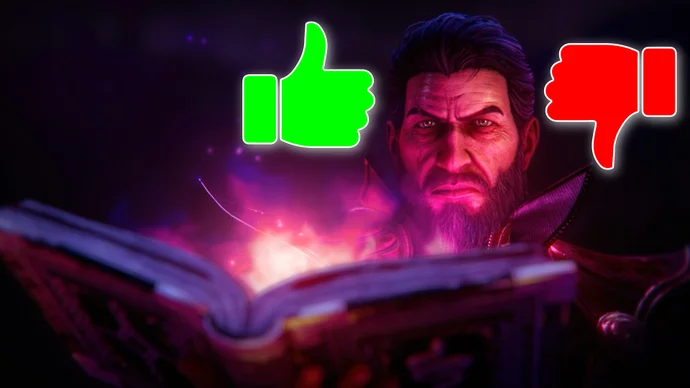
Blizzard Entertainment is shaking things up with the upcoming addition of the Warlock class in Diablo II: Resurrected. This move marks the first introduction of a new playable character in the beloved game since its original launch a staggering 25 years ago. If you’ve spent time in the dark, creepy world of Sanctuary, you’ll understand just how significant this decision is. With the Warlock’s release, Blizzard is opening the door to a more dynamic and evolving future for this classic title.
It’s easy to view this as a nostalgia trip, but the implications extend well beyond mere fan service. By injecting fresh content into an established game, Blizzard is signaling its willingness to evolve Diablo II, similar to how they actively support modern titles. It’s this kind of bold thinking that keeps classic games alive and relevant in an industry that’s constantly changing, where players often have thirst for new experiences within familiar settings.
Of course, the involvement of the community will be paramount. The success of the Warlock may pave the way for further expansions or new content updates, as Blizzard contemplates the balance between honoring the original masterpiece and catering to current player expectations. As one company insider put it, the aim isn’t to “mess up the Mona Lisa.” They recognize the fine line between innovation and preserving the essence of what made Diablo II iconic.
As excitement builds, it’s easy to wonder how this will shape the trajectory of the franchise. The allure of Diablo II has always been in its rich world and engaging gameplay, and the Warlock could serve as the catalyst for deeper engagement that harks back to the game’s roots while still appealing to a modern audience. As we look ahead, fans are left to speculate what other surprises Blizzard may have up their sleeves as they navigate this delicate balance. Whether this is the beginning of a prolonged renaissance for a beloved classic remains to be seen, but one thing is certain: Blizzard’s daring move could resonate in ways we haven’t yet fathomed.
Source: eurogamer.net