Mark Fischbach, better known as Markiplier, has taken a bold leap from YouTube sensation to filmmaker with Iron Lung, and it’s a move that deserves more acclaim than it’s getting. While reviews have touched on the film’s chilling elements, they often overlook the genius behind the dread that permeates the entire experience.
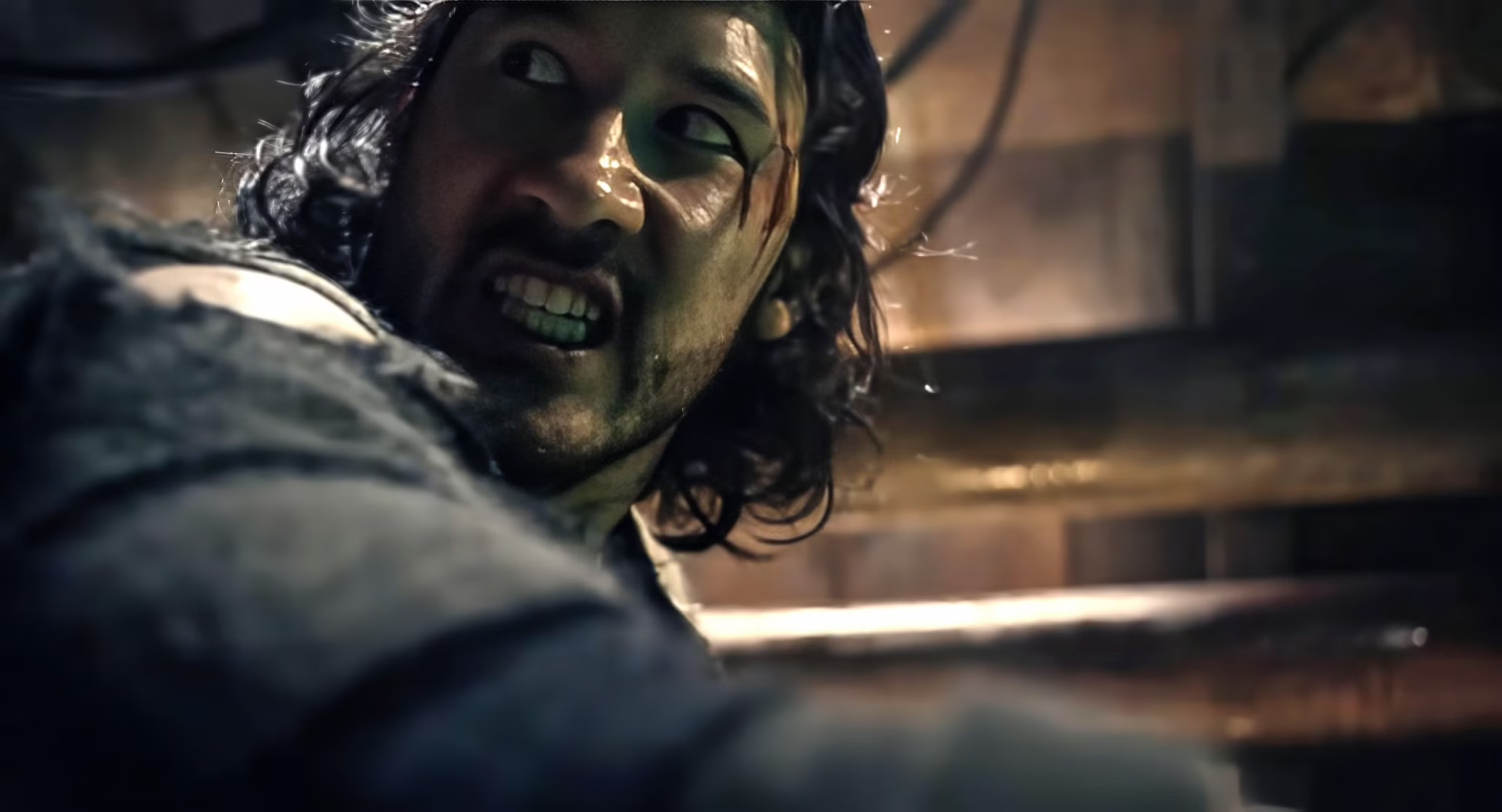
Iron Lung is not just another horror flick; it’s a masterclass in building tension. Fischbach’s adaptation of the popular indie game transforms the confined setting of an underwater craft into a nightmarish landscape of fear and isolation. He taps into a well of psychological horror that reflects our deepest anxieties—claustrophobia, helplessness, and the unknown lurking just out of sight.
The film effectively harnesses minimal dialogue and a sparse visual palette to evoke a sense of despair that’s both haunting and visceral. Every creak of metal and flicker of light amplifies the terror, reminding audiences that sometimes, silence is more frightening than sound. Fischbach’s ability to translate the immersive panic of a game into a cinematic experience is nothing short of impressive.
These elements don’t just serve the audience; they send a message to Hollywood as well. In an industry often saturated with formulaic horror, Iron Lung stands as a stark reminder of the potency of restraint and atmosphere over jump scares. It challenges the status quo and invites creatives to explore more nuanced storytelling.
Markiplier has carved out a niche for himself through his distinctive blend of humor and horror on YouTube, and it’s clear that his cinematic vision carries that same signature tension. If the film industry dismisses the implications of his success, it risks ignoring the evolving landscape of horror—a genre ripe for innovation told through fresh perspectives.
As audiences confront Iron Lung’s visceral horrors, they also shine a light on a new model for independent filmmakers. Fischbach’s transition from gaming to filmmaking signals a thrilling shift that could inspire other creators to take similar risks. Whether they’re scared of the dark or just the thought of a new wave of horror, studios would do well to pay attention.
Source: polygon.com