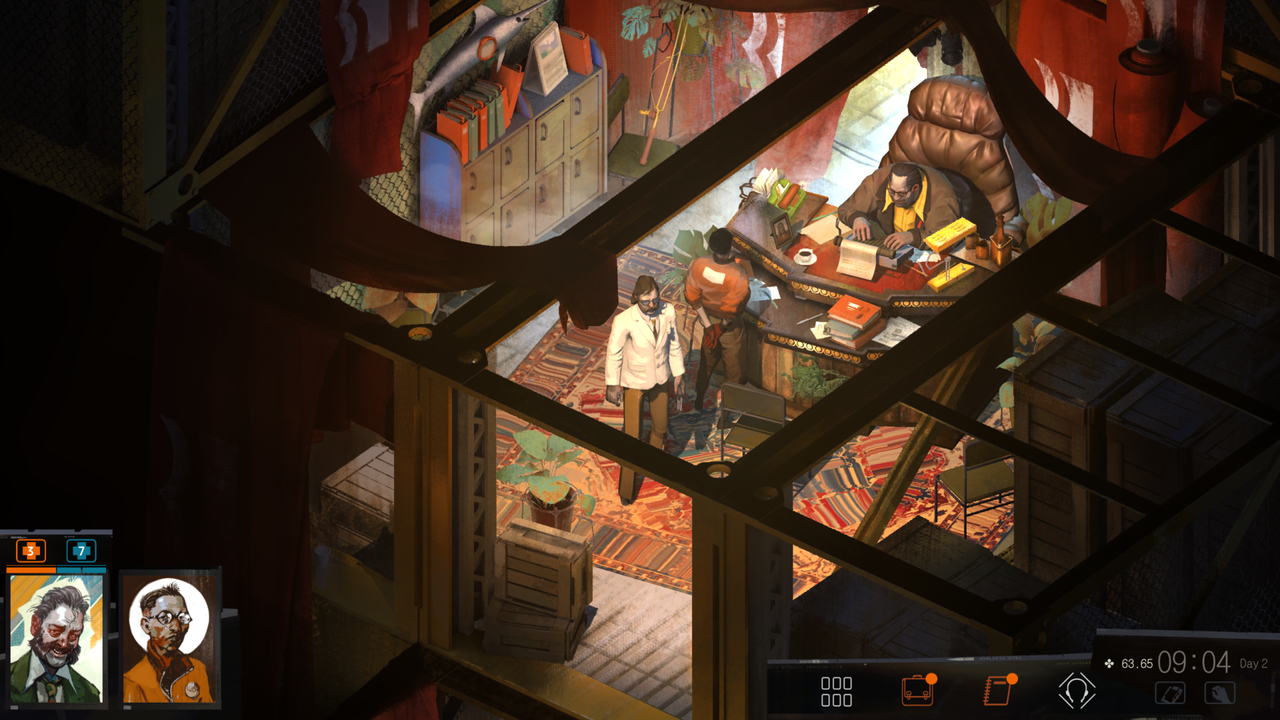
Disco Elysium has garnered attention not only for its rich storytelling and complex characters but also for its captivating isometric perspective. This choice of viewpoint is no accident; it reflects a deliberate artistic vision that elevates the entire experience of the game. The original art director at ZA/UM recently shared insights into why this perspective works so seamlessly with the game’s aesthetic and narrative.
When you step into the world of Disco Elysium, you might feel as though you’ve wandered directly into a living painting. The isometric angle allows for a unique arrangement of space and design that enhances the game’s deeply immersive environment. It’s not just about viewing the world from above; it’s about framing interactions and moments in a way that highlights the emotional undercurrents of the storyline. Characters take on a dramatic presence, with each setting—whether it’s the dark alleys or the vibrant district—designed to draw players into a narrative rich with intrigue.
The isometric view creates a sense of distance that can be both isolating and intimate. It lets players survey the landscape while simultaneously placing them within the intricate web of social interactions. This duality perfectly matches Disco Elysium’s themes of existentialism and personal struggle, where the player’s decisions shape the narrative. The game encourages contemplation as much as it demands action, and the perspective serves to reinforce this balance.
Moreover, the tailored art style benefits from the constraints of isometric design. Every element—the characters, the environment, and the text—is carefully crafted to fit within a cohesive vision. It becomes a canvas where every color, shadow, and line tells a part of the story. The result is not just a game but a visual narrative that challenges conventions and invites players to explore the depths of its world.
In a market often dominated by traditional first- and third-person perspectives, Disco Elysium stands out as a masterclass in how isometric viewpoint can enhance storytelling. The details resonate on an artistic level, offering a refreshing take on how video games can blend art and gameplay. Through this distinctive lens, players are invited to not just play through a story, but to truly experience an artistic journey that unfolds in every scene.
Source: pcgamer.com