
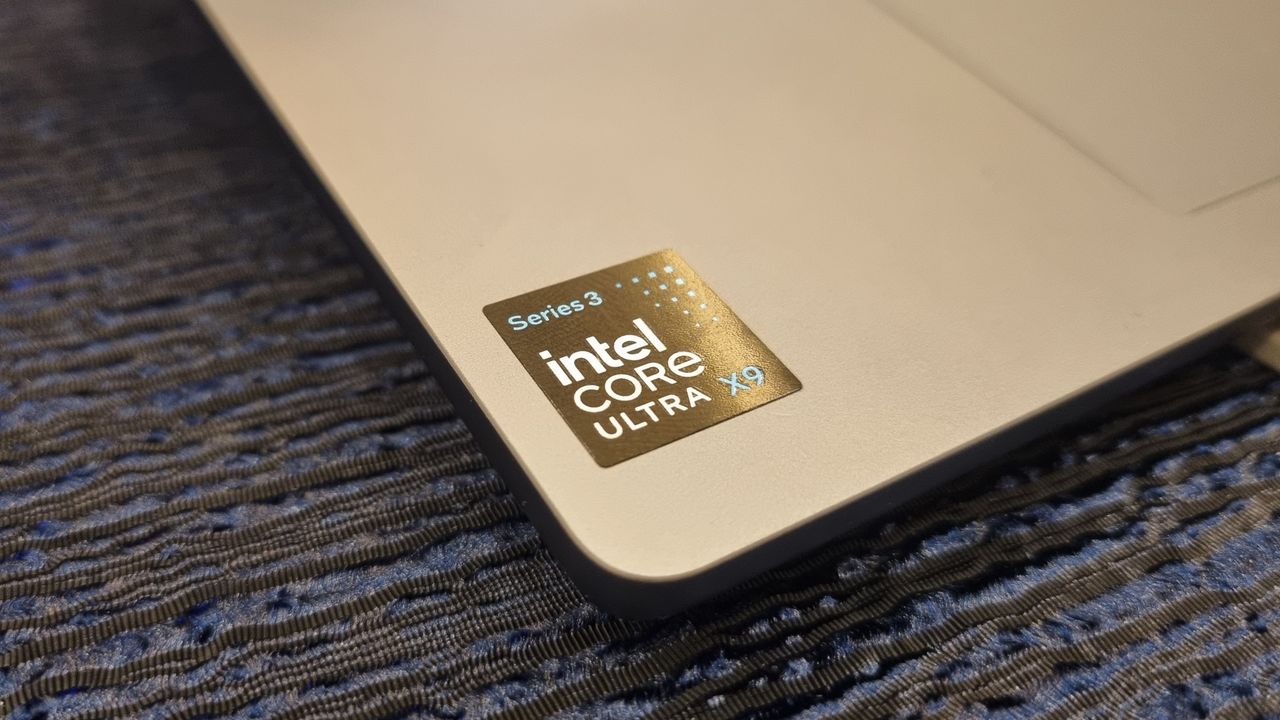
Intel recently announced that it has shipped over 100 million PCs equipped with artificial intelligence capabilities, a milestone that underscores the rapid integration of AI technologies into everyday computing. The company quantified this achievement by referencing a staggering total of roughly four “ZOPS,” or zetta operations per second, of AI processing power delivered across these devices. This marks a significant moment in the evolution of AI adoption at the consumer level.
To put this in perspective, a “Zetta OPS” represents one sextillion (10^21) operations per second, underscoring the immense computational capacity now available in the market. Intel’s claim highlights not only the scale but also the growing prominence of AI as a mainstream feature in personal computing.
### Key Details:
– Intel has shipped “slightly north” of 100 million AI-enabled PCs.
– These systems collectively provide about four zetta operations per second (ZOPS) of AI processing power.
– The measurement, ZOPS, refers to one sextillion AI operations per second and serves as a benchmark to convey large-scale AI computational throughput.
– The shipments include machines with AI acceleration hardware, likely involving Intel’s latest CPUs with built-in AI engines or dedicated AI accelerators.
– This metric demonstrates Intel’s footprint in the AI PC space, reflecting both volume and the advanced processing capabilities of its hardware.
### Why It Matters
This announcement signals a pivotal shift in the PC industry where AI is becoming an embedded, rather than optional, feature—moving beyond specialized workstations into products aimed at a broader user base. The sheer volume of AI-capable units delivered demonstrates escalating demand for AI workloads, whether for tasks such as content creation, voice recognition, gaming, or data analysis.
Intel’s emphasis on quantifying AI performance using zetta OPS provides a clearer way to benchmark AI computational throughput across devices and vendors, pointing to emerging industry standards. As AI workloads become more complex and prevalent, having dedicated AI hardware on billions of devices will influence software development, user expectations, and competitive strategies within the semiconductor sector.
Furthermore, Intel’s accomplishment suggests that PC makers and consumers alike recognize the value of AI acceleration, potentially reshaping the future of personal computing toward smarter, more context-aware systems.
### Platforms and Release Context
While Intel did not specify the exact models or platforms counted in this milestone, it likely includes PCs powered by the company’s latest Core and Evo-branded processors featuring integrated AI acceleration, such as Intel’s Gaussian & Neural Accelerator (GNA) technology. These components are designed to improve performance for AI inference tasks on-device.
This milestone encompasses multiple recent product generations, reflecting shipments over a span of time rather than a single launch. Intel’s ability to integrate AI capabilities widely across its CPU lineup and partner ecosystems has been central to reaching this scale.
As AI continues to permeate computing, future updates from Intel and competitors will be closely watched for how capacities measured in zetta OPS evolve, and whether these metrics become a standard part of consumer technology communication.
Source: pcgamer.com