
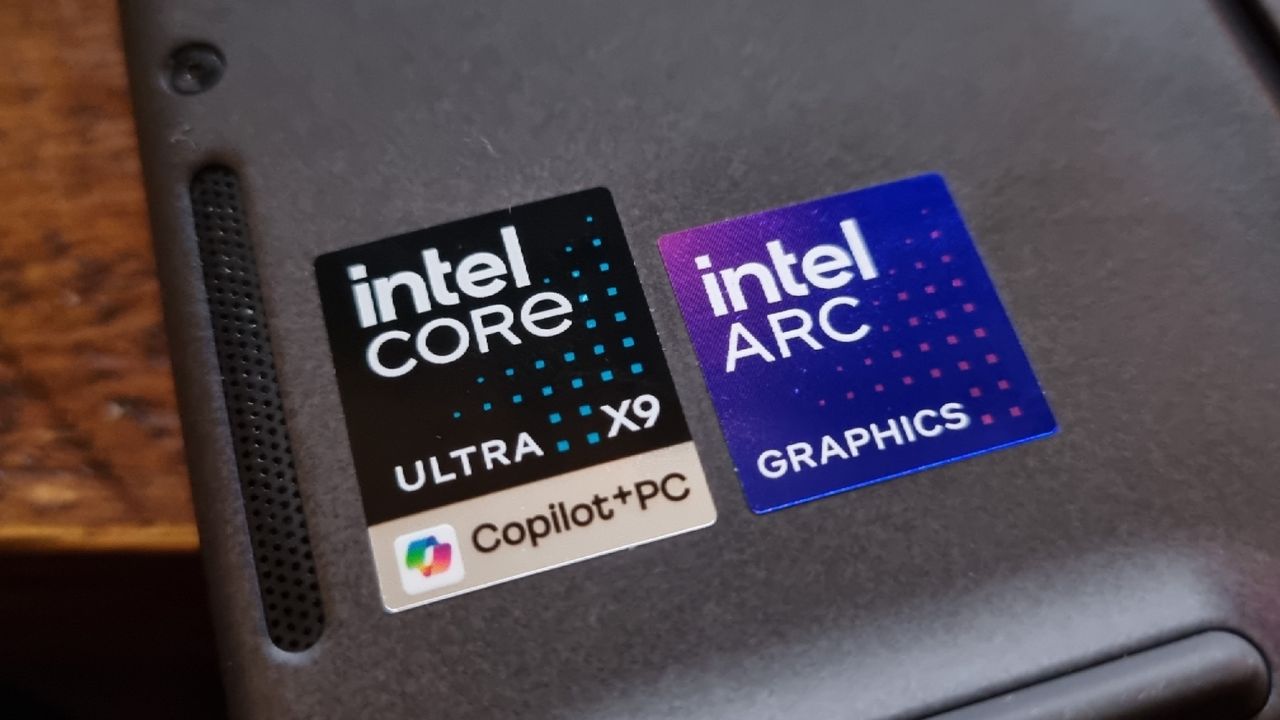
Intel’s upcoming Panther Lake processors have sparked a lot of excitement, especially among those who dream of a handheld gaming device packed with serious power. The chips promise significant performance leaps, which naturally leads to visions of ultra-portable rigs capable of running demanding PC games on the go. Yet, despite all the buzz, the reality of timing and cost might temper those lofty expectations.
The phrase “soon” is tossed around a lot in tech circles, but when it comes to Panther Lake, the details remain frustratingly vague. Intel has teased this next generation of mobile processors that aim to blend efficiency with raw performance, seemingly tailor-made for portable gaming machines. If this pans out, the pocket-sized beasts could crush benchmarks and reshape what we expect from gaming handhelds.
However, the tech itself hints at a tough pill for consumers to swallow. Packing such advanced silicon into a small device is no small feat, and that complexity inevitably drives up the price. Early signs point to a retail tag that could be steep, especially compared to more established handhelds or even mid-range laptops. For gamers hoping to carry around flagship PC-level power without sacrificing mobility, Panther Lake might demand a premium they need to seriously consider.
In short, Panther Lake is tempting for its potential, but soon might be far enough away for the market to catch its breath. Meanwhile, the price will likely keep it from being an impulse buy for most. The promise is there, but real-world adoption will come down to whether Intel and its partners can balance innovation with affordability.
Source: pcgamer.com