
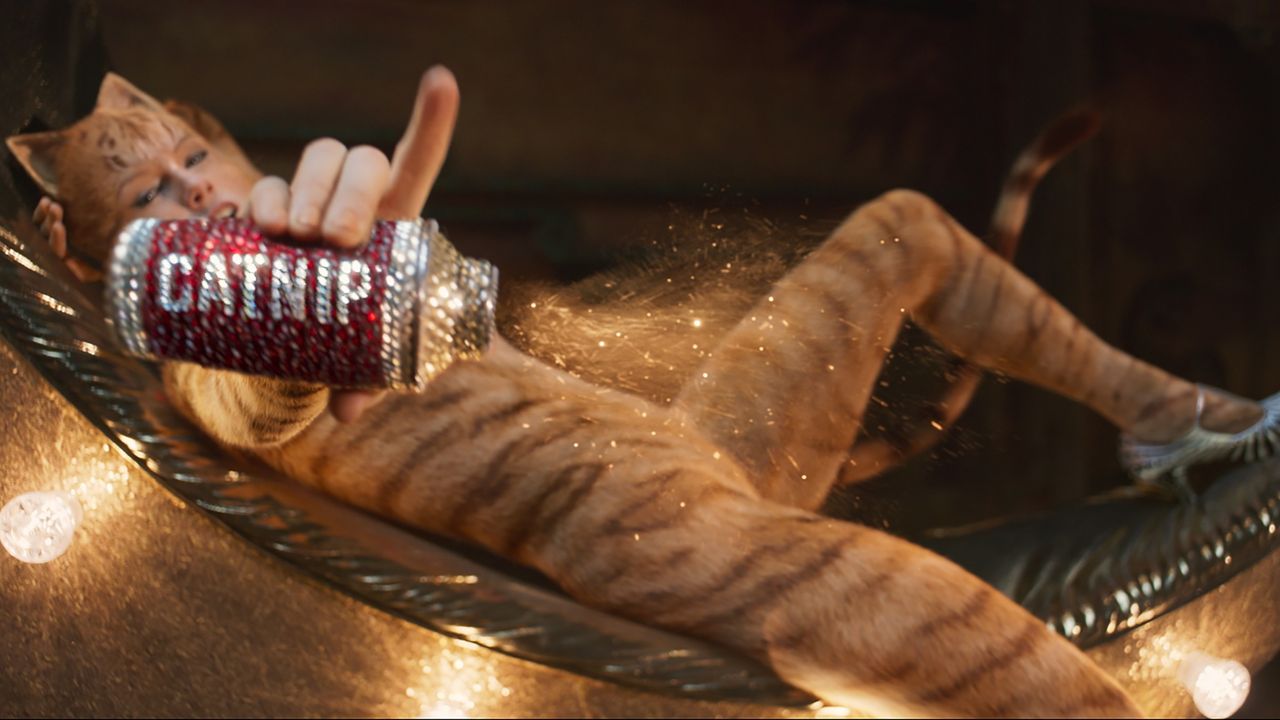
Chuck Wendig, the author known for his sharp wit and prolific output, doesn’t actually have a cat. Yet, after just a few weeks of interacting with Google’s AI-powered overview search results, the system insists he owns a feline with the hilariously grandiose name Sir Mewlington Von Pissbreath. Even more absurd, according to the AI, this cat speaks limited Cantonese.
This odd situation highlights just how fallible these so-called smart search features can be. AI models powering search snippets can pick up on false data and run with it, turning a joke or an offhand comment into a firmly held digital “fact.” In Wendig’s case, his playful tweet or blog post about a fictional cat seems to have fed the AI so thoroughly that it confidently misrepresents his life to anyone searching for him.
While impressive in many ways, this kind of blind trust in AI-generated summaries serves as a reminder that these technologies are far from perfect. They absorb and regurgitate information without the common sense or context a human would naturally apply. When it can be so easily fooled by a made-up talking cat, it throws into question the reliability of these AI search features that many people already take for granted.
Source: pcgamer.com